Federal court testimony reveals governance and safety concerns in OpenAI litigation
A federal hearing in Oakland heard claims that the deployment of GPT-4 in India occurred without proper evaluation, reigniting questions about the non-profit board's oversight of the for-profit subsidiary
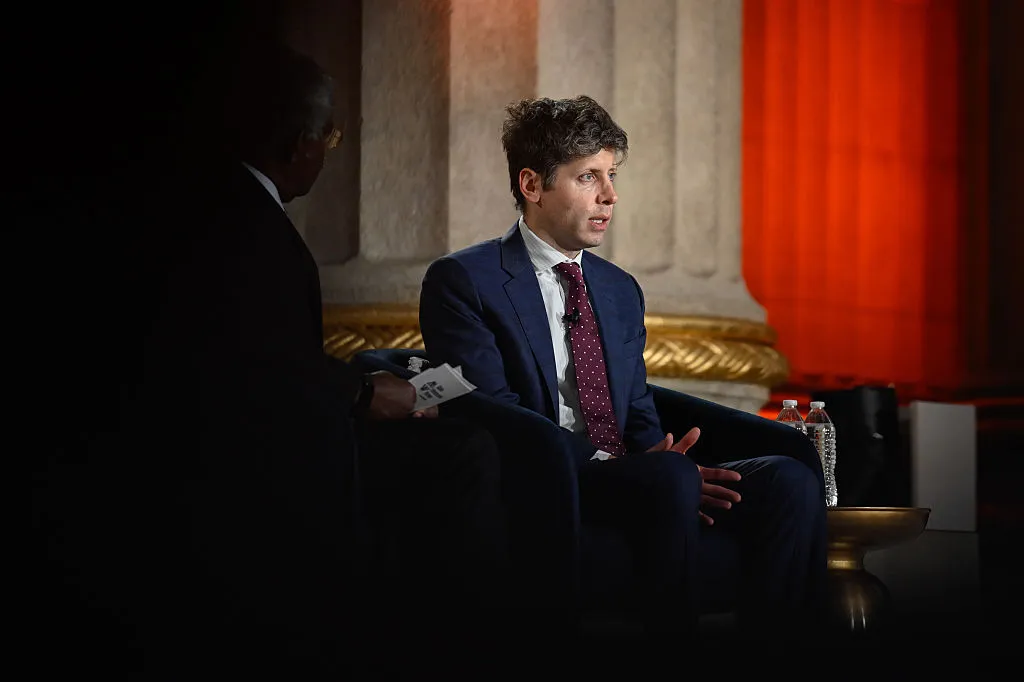
A federal court in Oakland heard testimony on Thursday regarding Elon Musk's legal action against OpenAI, alleging the company has compromised its founding mission by shifting from a research-focused model to a product-driven one. The proceedings centred on whether this transformation has detracted from the lab's core objective of ensuring humanity benefits from artificial general intelligence.
Former employee and board member Rosie Campbell provided key evidence, stating that the organisation shifted from a research focus to a product focus over time, leading to the disbanding of safety teams such as the Super Alignment team. Campbell, who joined the AGI readiness team in 2021 and left in 2024, testified that models were deployed without proper evaluation, citing the launch of GPT-4 in India as a specific example where Microsoft deployed a version of the model via Bing before it was assessed by the company's Deployment Safety Board.
The hearing also revisited the turbulent 2023 removal of CEO Sam Altman by the non-profit board, which was attributed to governance failures and a lack of transparency. Board member Tasha McCauley testified that the board's ability to oversee the for-profit subsidiary was compromised because Altman was not forthcoming with information, including failing to inform members about the decision to launch ChatGPT publicly and misleading them regarding potential conflicts of interest. The board later reversed its decision to remove Altman following a tender offer to employees and subsequent support from staff and Microsoft.
Under cross-examination, Campbell acknowledged that while significant funding was necessary for the lab's goals, creating a super-intelligent model without robust safety measures would not align with the mission she originally joined. She stated in her "speculative opinion" that OpenAI's safety approach is superior to that of xAI, Musk's company. Meanwhile, expert witness David Schizer, retained by Musk's team, supported the claim that OpenAI prioritised profits over safety protocols, suggesting the case highlights the need for stronger government regulation of advanced AI.
OpenAI's current head of Preparedness, Dylan Scandinaro, was hired from Anthropic in February, a move CEO Sam Altman stated would allow him to "sleep better tonight". Despite this, the incident involving the unvetted deployment of GPT-4 in India remains a central point of contention, having been one of the red flags that led to Altman's initial removal. The board's mandate to oversee the for-profit entity was called into question, with McCauley noting that a lack of confidence in the information conveyed prevented informed decision-making.
The apparent failure of the non-profit board to influence the for-profit organisation goes directly to Musk's argument that the transformation of OpenAI broke the implicit agreement of its founders. McCauley suggested that if governance failures come down to one CEO making decisions regarding the public good, it is suboptimal, reinforcing the call for stricter regulatory frameworks. As the case proceeds, the focus remains on whether the process issues regarding safety reviews have been adequately addressed.
