Fed rate hike splits analysts on prospects for year-end stock rally
Higher borrowing costs have raised concerns about equities, but Citadel Securities and Goldman Sachs point to historical evidence of a later recovery.
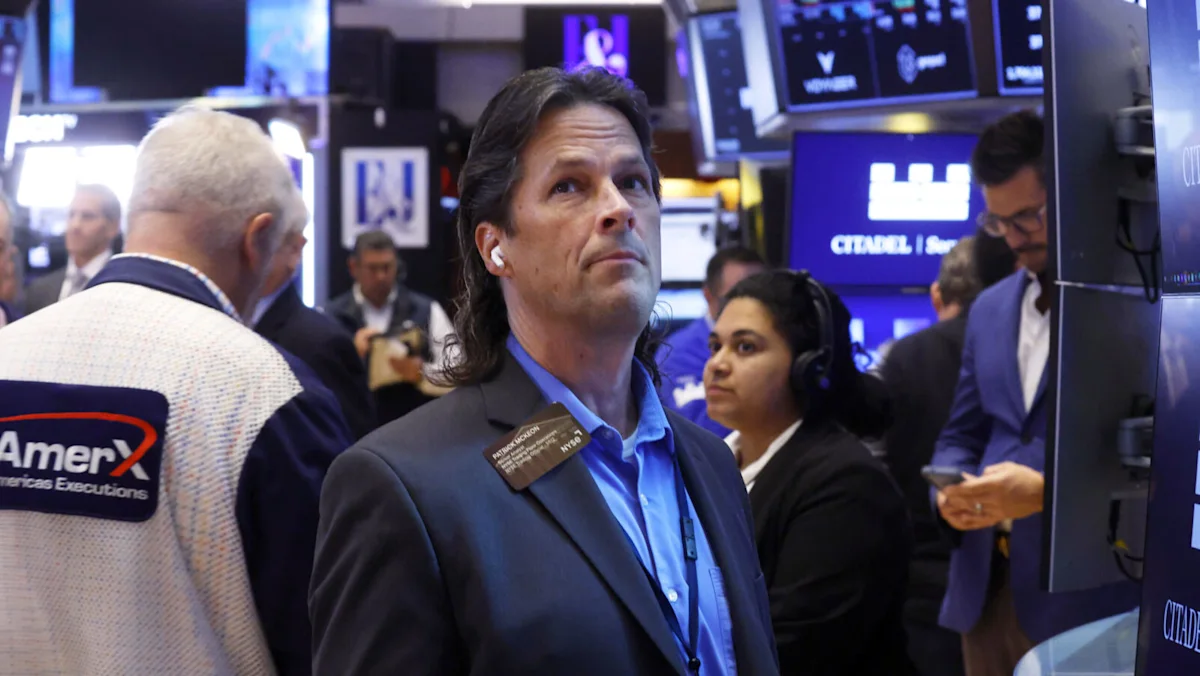
Analysts are divided over whether the Federal Reserve’s interest-rate hike will weigh on US equities or leave room for a year-end rally. The S&P 500 rose 1.14% on Thursday as Treasury yields and oil prices fell, according to Yahoo Finance’s report on analysis published by The Daily Upside.
Macro Risk Advisors chief executive Dean Curnutt warned clients that higher rates could trigger an S&P 500 pullback of up to 10%. He cited pressure on corporate margins, increased borrowing costs and the potential for slower consumer spending.
The concerns echo market conditions in 2018, when a September rate hike coincided with rising bond yields and a rotation away from highly valued technology stocks. Goldman Sachs chief executive David Solomon has also said the bank’s fixed-income trading business has been “a little bit softer”, while Goldman shares fell 4% on Wednesday.
Citadel Securities said it had become “increasingly constructive” about the market’s end-of-year prospects. The trading firm found that the S&P 500 had fallen an average 1.1% in the final two weeks of September since 1930 before rebounding in October.
Goldman Sachs said the index had declined by an average 2% during the first three months of seven rate-hiking cycles, but ultimately gained an average 9% over the following 12 months. The historical comparisons do not establish that the same pattern will repeat in current conditions.