Fed minutes signal rate hikes if Iran conflict fuels inflation
Newly released Federal Reserve records reveal a majority of officials view interest rate increases as necessary should the ongoing war in Iran continue to drive up inflation, even as US equities rallied on diplomatic developments in Beijing.
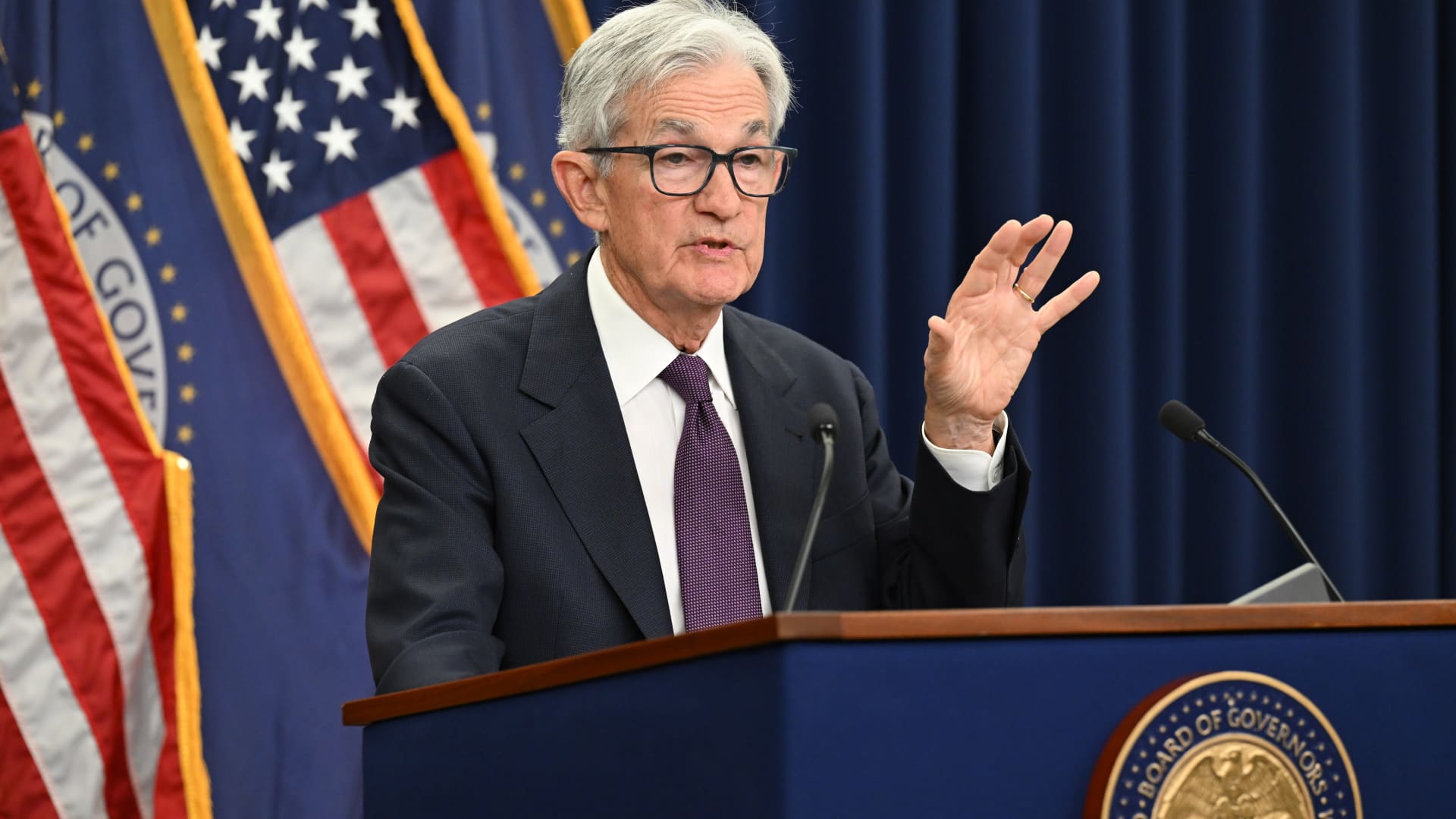
Minutes from the Federal Reserve indicate that a majority of officials anticipate interest rate increases will be necessary if the ongoing conflict in Iran continues to drive up inflation. The documents, released by the central bank, highlight the monetary policy committee’s concern that geopolitical instability could exacerbate price pressures, potentially requiring a tightening of monetary conditions to maintain stability.
This cautious stance from the Fed emerges against a backdrop of rising US stock markets. On Thursday, US equities advanced as President Donald Trump and Chinese President Xi Jinping commenced a two-day summit in Beijing. The Dow Jones Industrial Average gained 0.8%, the S&P 500 rose 0.3%, and the Nasdaq Composite climbed 0.2%, reflecting investor optimism surrounding diplomatic engagement.
The Beijing summit marks the first visit by an American president to China since 2017. The agenda for the talks includes discussions on trade, artificial intelligence, and the Strait of Hormuz, a critical chokepoint for global energy supplies. The presence of major tech leaders, including Elon Musk, Tim Cook, and Jensen Huang, underscores the high stakes of the negotiations between the world’s two largest economies.
Market sentiment was further buoyed by regulatory developments in the semiconductor sector. Nvidia shares surged more than 2% following news that the US approved H200 chip sales to Chinese firms. This approval contributed to the broader rally in technology stocks, providing a counterpoint to the inflationary risks cited by Federal Reserve officials.
While the Fed’s minutes point to potential future rate hikes contingent on inflation data, the specific timing of any such action remains undefined. The central bank’s focus remains on monitoring whether the conflict in Iran continues to aggravate inflation, a scenario that would likely necessitate a shift in monetary policy to prevent price levels from spiralling out of control.