Fed keeps rates steady as oil surge sparks historic board division
Rising oil prices have triggered a notable split among governors over the appropriate monetary policy stance, casting a shadow over the final days of Powell's leadership.
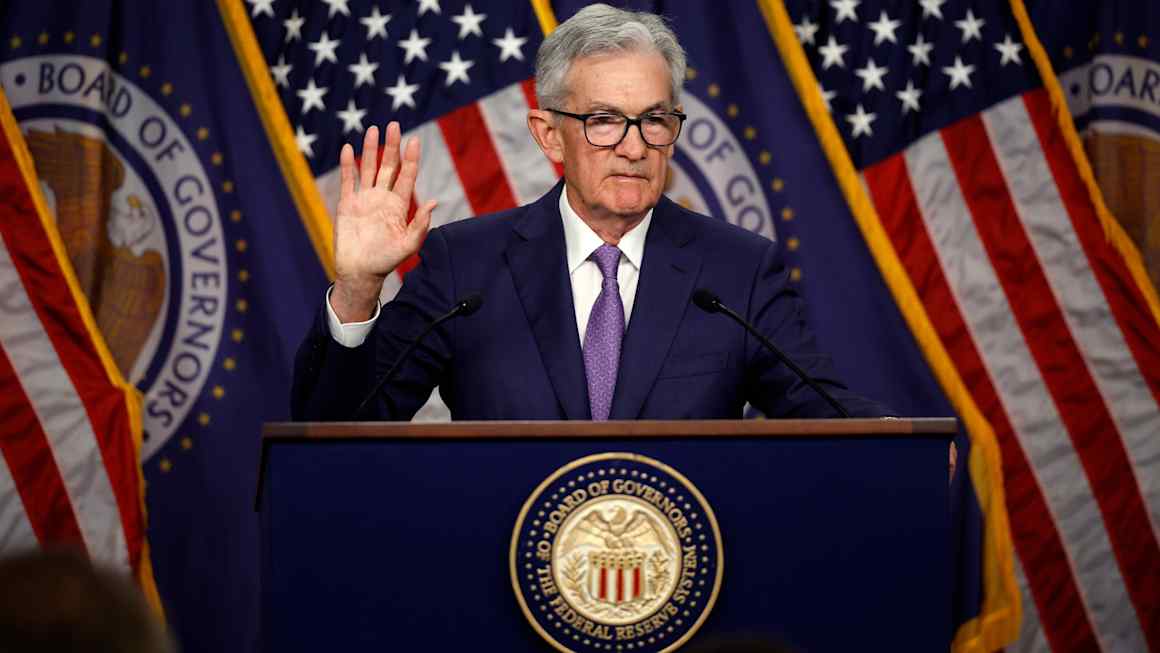
The Federal Reserve has maintained interest rates at their current level, a move that has generated the most significant internal disagreement on the central bank's board since 1992. This decision comes as rising oil prices have sparked debate among governors regarding the appropriate monetary policy stance, highlighting the volatility of global commodity markets on domestic inflation expectations.
The intensity of the disagreement resulted in the largest dissent vote in the Fed's history since 1992, underscoring the depth of the divide within the institution. This internal conflict arises specifically during the final period of Chair Jay Powell's tenure, adding a layer of institutional transition to the economic uncertainty surrounding the rate decision.
As the US central bank, the Fed manages inflation and employment through its rate-setting powers, making oil price fluctuations a critical factor in its deliberations. The surge in energy costs has challenged the consensus on how best to steer the economy, leading to a rare fracture in the typically unified voting bloc of the Federal Open Market Committee.
The timing of this vote coincides with the conclusion of Chair Jay Powell's term, marking a pivotal moment for the institution as it prepares for new leadership. The historical benchmark set in 1992 for significant dissent now appears again, suggesting that external pressures are testing the resolve of the current board members more than at any point in recent memory.
While the specific magnitude of the dissent vote is not quantified in the available reporting, the description of the event as the "biggest" since 1992 relies on historical records that define dissent based on the number of votes cast against the majority decision. The precise arguments made by individual governors regarding the oil surge are not detailed in the source material, leaving the specific economic rationale for the split open to interpretation.
Investors and institutions will be watching closely as the Fed navigates this period of transition and policy uncertainty. The decision to hold rates steady despite the internal friction suggests a cautious approach, yet the record level of disagreement signals that the path forward remains complex as the central bank faces its final decisions under Chair Powell.