Fed Governor Barr warns private credit stress could spark psychological contagion
While direct bank exposures remain stable, Governor Michael Barr cautions that market sentiment could misinterpret idiosyncratic loan failures as systemic cracks, triggering a broader credit pullback.
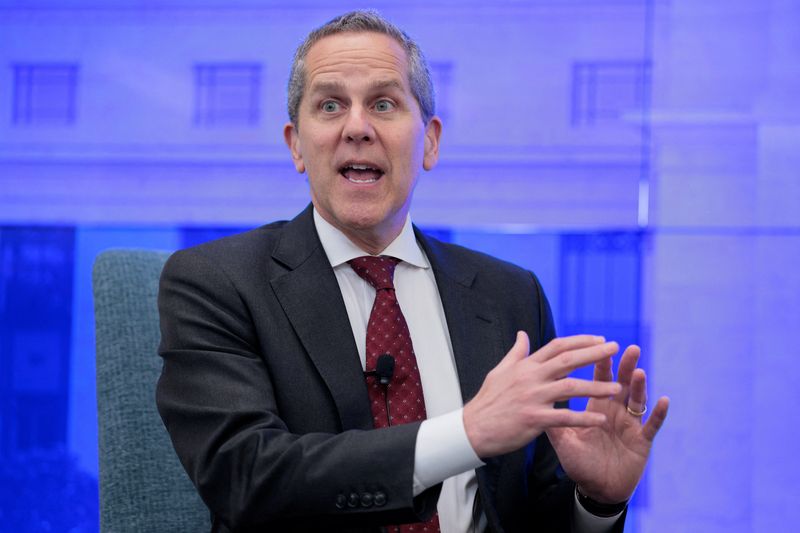
Federal Reserve Governor Michael Barr has issued a stark warning that mounting stress within the private credit market could ignite a phenomenon he describes as psychological contagion. This sentiment shift carries the potential to escalate into a wider credit crunch, even if traditional banking links to the sector do not currently appear critically exposed. The alert comes as central bank officials monitor the landscape following a period of significant volatility.
In an interview with Bloomberg News, Barr noted that while the direct connections between conventional banks and private credit firms are not deemed super worrisome, specific vulnerabilities exist elsewhere. He highlighted particular concerns regarding overlaps in the insurance sector with private lenders. Barr cautioned that market participants might misinterpret isolated issues in high-risk loans as evidence of fundamental cracks in the broader corporate sector.
The Governor explained that this misperception could drive investors to assume there are fissures in the corporate bond market as well. Such a narrative shift could precipitate a rapid pullback in credit availability, thereby increasing financial strain across the economy. This mechanism relies heavily on market psychology rather than immediate, tangible linkages between the institutions involved.
The backdrop to these concerns is a recent downturn in the private credit arena, which has seen investors retreat from these investments. This withdrawal stems from anxieties over asset valuations and tightening lending standards, exacerbated by a handful of high-profile bankruptcies affecting firms in the space. These events have created an environment where caution is becoming the dominant market sentiment.
Federal Reserve Chair Jerome Powell previously stated in March that central bank officials are actively watching developments in the private credit sector for signs of systemic trouble. However, Powell noted that officials do not currently see issues within the sector that threaten to bring down the financial system as a whole. Despite this broader assessment, Barr's comments underscore the fragility of market confidence in the current climate.
The distinction between actual systemic risk and perceived risk remains a critical focus for policymakers. Barr's assessment suggests that the primary danger lies in how market participants interpret idiosyncratic problems, potentially allowing a localized stress event to snowball into a more severe credit contraction through fear and uncertainty.