Fed Governor Barr Warns Loosening Wall Street Rules Threatens Economic Stability
Michael Barr says recent deregulation increases financial stability risks and could cause serious harm to the economy in coming years.
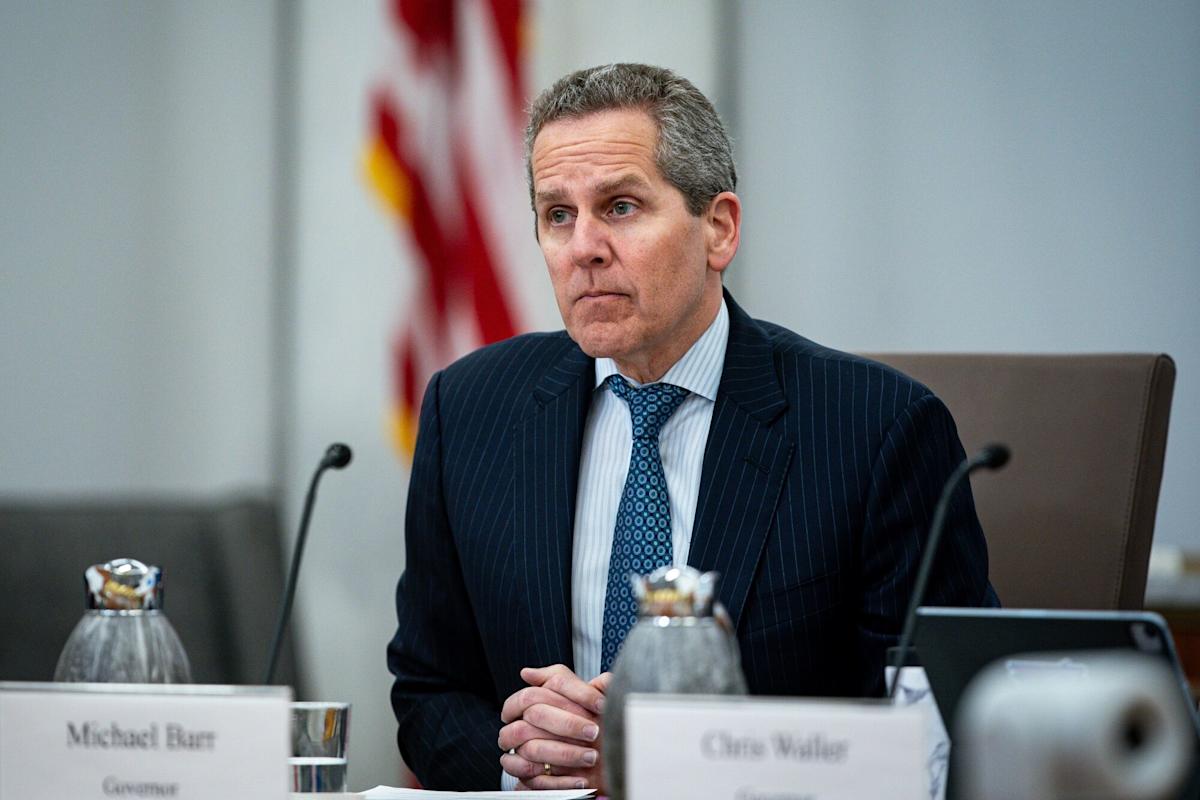
Federal Reserve Governor Michael Barr has issued a stark warning against recent regulatory changes affecting US lenders, arguing that relaxed capital requirements and reduced supervision undermine bank safety and soundness. Barr contends that while the banking sector requires room to grow, the current trajectory encourages excessive risk-taking that could jeopardise financial stability and cause serious economic harm in the coming years.
In prepared remarks released on Saturday, Barr stated that proposals to ease rules for US lenders have "considerably weakened bank regulation and supervision." He cautioned that vulnerabilities resulting from deregulation may not be immediately apparent but could lead to problems that build over time, potentially threatening serious harm to the broader economy.
The criticism targets regulatory shifts implemented over the past year, which have been credited to Fed Vice Chair for Supervision Michelle Bowman and align with the approach of the Trump administration. These changes include relaxing capital buffer requirements for large banks, narrowing the scope of supervision, and creating pathways for traditional lenders to compete with private-credit giants.
Barr, who previously resigned as Vice Chair for Supervision to avoid a conflict of interest with President Donald Trump, emphasised the necessity of maintaining robust capital buffers and stable funding sources. He noted that while banks need space to support innovation and lending, the absence of proper safeguards can lead to excessive risk-taking that endangers businesses and households.
The Governor advised banking watchdogs to take steps to mitigate these emerging vulnerabilities. He argued that with solid capital and stable funding, the banking system can better absorb shocks and continue lending during periods of stress, thereby protecting the economy from the fallout of potential bank failures.