Fed Chair Warsh faces mounting pressure to hike rates as inflation stalls
With core inflation entrenched above 3% and energy costs surging following the resumption of the Iran war, Federal Reserve officials are divided on whether 'tough talk' will suffice to anchor price expectations.
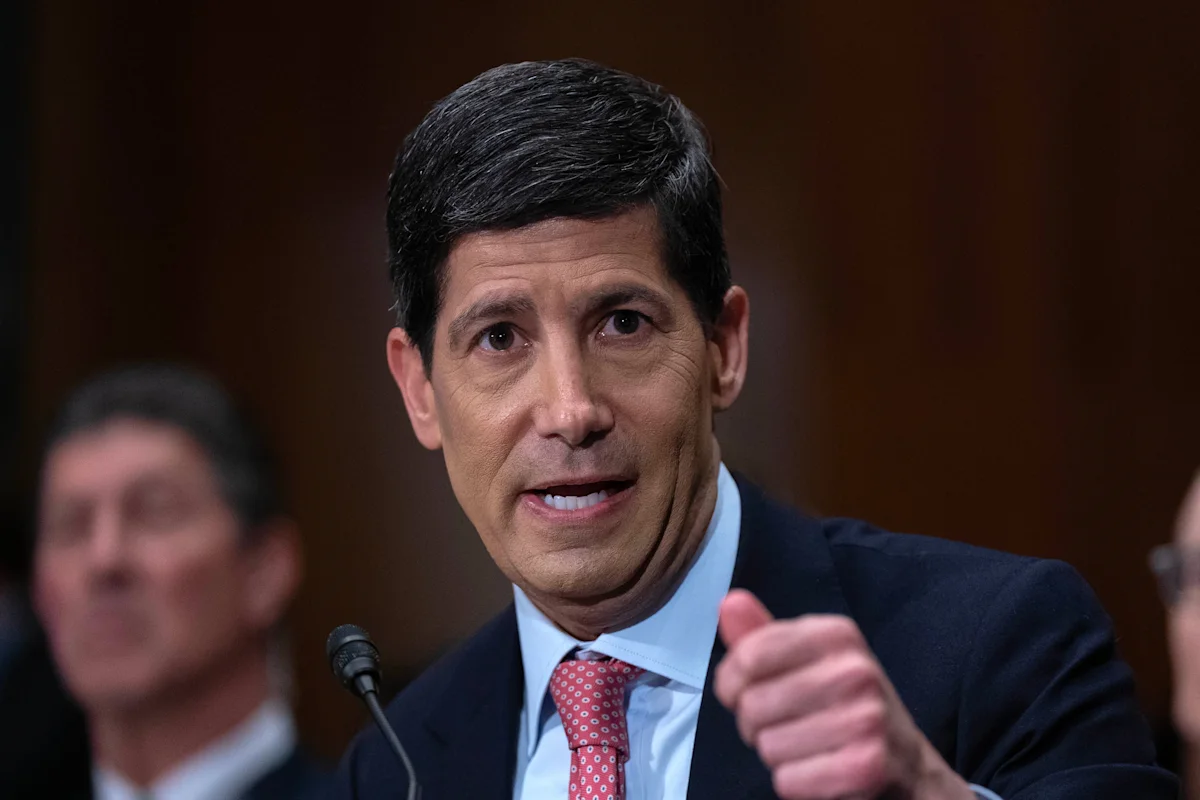
The Federal Reserve is widely expected to maintain its key interest rate unchanged during its upcoming meeting on Tuesday and Wednesday. However, Chair Kevin Warsh is confronting intensifying pressure from within the central bank and financial markets to initiate rate hikes to combat inflation that has remained above the 2% target for more than five years.
Inflationary pressures have been exacerbated by a confluence of structural and geopolitical factors. The resumption of the Iran war has driven oil and gas prices back above a nationwide average of $4 a gallon, reversing declines seen earlier in the year. Simultaneously, soaring investment in artificial intelligence infrastructure has increased costs for electronics and electricity, while new tariffs imposed by President Donald Trump threaten to add further price pressures to the economy.
Despite the expectation of a hold, Warsh has adopted a firm stance, declaring in congressional testimony that the Fed has "no tolerance" for higher inflation. In the first rate statement issued under his leadership, the central bank pledged to "deliver price stability." Warsh has avoided providing specific forward guidance on future moves, aiming to establish credibility without directly confronting the President who appointed him, though his rhetoric has already influenced borrowing costs.
The yield on the 10-year Treasury note briefly topped 4.7%, marking its highest level in approximately 18 months, driven by Warsh’s comments and geopolitical tensions. Several Federal Reserve officials have begun to signal that patience may be wearing thin. Lorie Logan, president of the Federal Reserve Bank of Dallas, warned that inflation does not appear to be heading sustainably back to 2%, suggesting that "modestly higher interest rates would better balance the outlook."
Christopher Waller, a member of the Fed’s governing board, stated that simply watching inflation is not a viable strategy and that the committee may need to consider hiking rates "in the near term" if core inflation continues to climb. Beth Hammack, president of the Cleveland Fed, noted that for the first time, she is hearing business leaders call for higher rates, alongside growing consumer distress over the cost of living.
Conversely, some officials and economists argue that inflationary pressures may be peaking. John Williams, president of the New York Fed, cited declining gas prices prior to the war’s resumption and slower growth in apartment rents as encouraging signs. However, critics like Joseph Lavorgna of SMBC Americas argue that core inflation will not slow without direct impetus from the Fed, while Stephen Douglass of NISA Investment Advisors suggests the central bank may hope to "talk the talk without having to walk the walk."