Fed Chair Kevin Warsh Issues 'No Tolerance' Stance on Inflation
With inflation ticking to 4% in May and 3.5% in June, the Federal Reserve’s new chair underscores the difficulty of easing monetary policy, leaving markets to weigh potential rate hikes against further cuts.
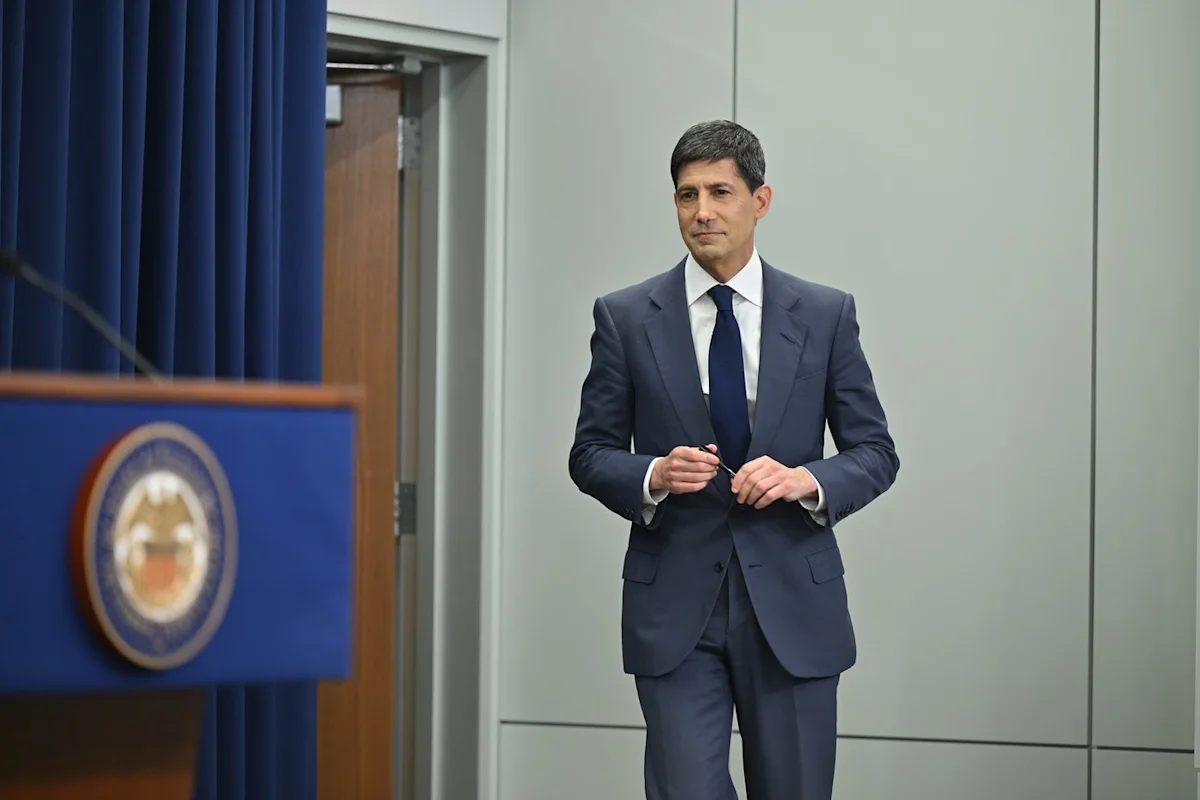
Federal Reserve Chair Kevin Warsh, sworn in on May 22, has adopted a strict posture regarding price stability, stating "no tolerance" when questioned about the central bank’s policy direction. The blunt declaration comes as US inflation figures rose to 4% in May and 3.5% in June, marking an acceleration from previous trends. With the Fed Funds Rate currently standing at 3.6%, Warsh’s comments suggest that interest rate cuts may not be feasible if inflation remains elevated.
The rate-setting committee is currently divided on the appropriate path forward for the remainder of the year. Members are split evenly, with an equal number favouring potential rate hikes versus further cuts. This internal disagreement highlights the uncertainty facing policymakers as they navigate the dual mandate of controlling inflation while supporting economic growth.
Investors have interpreted Warsh’s independence from political pressure as a stabilising factor for the global banking system. Despite concerns that the appointee might align with President Trump’s preferences, his early actions mirror the rhetoric of former Fed Chair Jerome Powell and historical precedents used to tame inflation over the last century. This perceived autonomy has helped alleviate fears of a politicised monetary policy.
The potential economic impacts of rising rates include pressure on sectors such as AI data centre build-outs, housing affordability, and car loans. If inflation accelerates, Warsh and the committee are likely to raise interest rates to dampen a hot economy, whereas they may lower them if inflation returns to the Fed’s 2% target.
Interest rates act as a silent lever that can change the entire makeup of the economy, directly impacting the stock market and broader financial conditions. Market participants are now closely watching inflation data in the quarters ahead, as these figures will determine the Federal Reserve’s subsequent interest rate decisions.