FDA Rejects Taylor Farms Claim of Apology Amid Cyclospora Outbreak Dispute
The US Food and Drug Administration has denied issuing an official apology to Taylor Farms, contradicting the supplier’s assertion that the agency conceded after a positive cyclospora test was retracted. The voluntary recall affecting 27 states remains active.
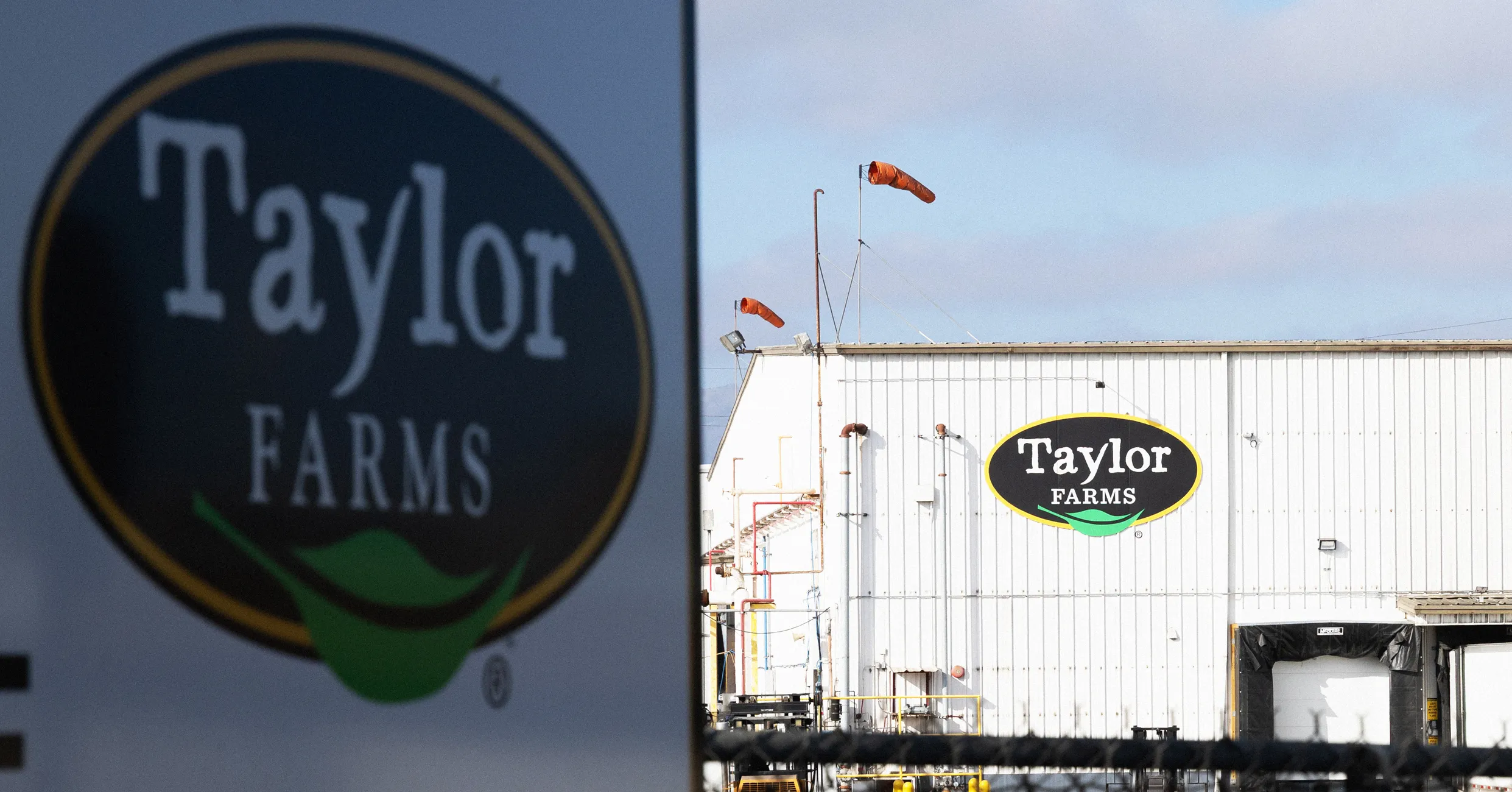
The US Food and Drug Administration (FDA) has refuted claims by lettuce supplier Taylor Farms that it issued an official apology regarding a cyclospora outbreak. Taylor Farms asserted that the FDA apologised after a positive lab test for the parasite was retracted as a false positive. The FDA clarified that its communications were intended to explain the technical difficulties in testing and tracing cyclospora, rather than to offer an apology. Despite the dispute, Taylor Farms’ voluntary recall of iceberg lettuce—linked to a cyclosporiasis outbreak causing severe diarrhoea—remains active. The recall affects products distributed to Taco Bell and Walmart across 27 states.
The disagreement centres on a sequence of events beginning on July 17, when Taylor Farms issued a voluntary recall for iceberg lettuce sourced from Central Mexico. This followed reports of cyclosporiasis, a parasitic infection causing explosive diarrhoea, in at least five states. On July 18, the FDA reported detecting the parasite in a sample of Taylor Farms lettuce not included in the initial recall. This finding was subsequently retracted as a false positive. On July 19, Taylor Farms posted on X that the FDA had apologised to them following the retraction, stating that the agency had not identified a single positive product test result for Cyclospora.
On July 20, an FDA official told reporters that no “official apology” was offered. Instead, the agency stated it was providing factual context regarding the challenges of testing for and tracing cyclospora. The FDA emphasised that the false-positive lab sample does not change the basis for its ongoing outbreak investigation or the epidemiological data supporting the voluntary recall. The regulator posted on X that the recall remains in effect despite the testing discrepancy.
Taylor Farms has expressed dissatisfaction with the investigation conducted by the FDA and the Centers for Disease Control and Prevention (CDC). Executives met with White House and FDA officials on July 16 to discuss what they termed “shortfalls” in the government’s response. Reports indicate that Taylor Farms attempted to cast doubt on the agencies’ conclusions during this meeting, which occurred the day before the recall was issued. The company did not respond to requests for comment at the time of reporting.
The outbreak has been ongoing since May, with thousands of people sickened nationwide. Michigan authorities have reported 6,148 cases in that state alone, though experts suggest the nationwide total is likely higher. Foodborne illness investigators often determine outbreak sources using epidemiological evidence, such as interviewing infected individuals to find commonalities, rather than relying solely on product testing. This methodological distinction highlights the complexity of the investigation, which Taylor Farms has challenged through its public communications and private meetings with regulators.
