FCC router ban falters as no US-made devices exist; waivers extend to 2027
The Federal Communications Commission’s mandate to ban foreign components in home internet routers has collided with the absence of a 100 per cent domestic supply chain, prompting the agency to extend compliance deadlines and issue waivers to at least 11 companies.
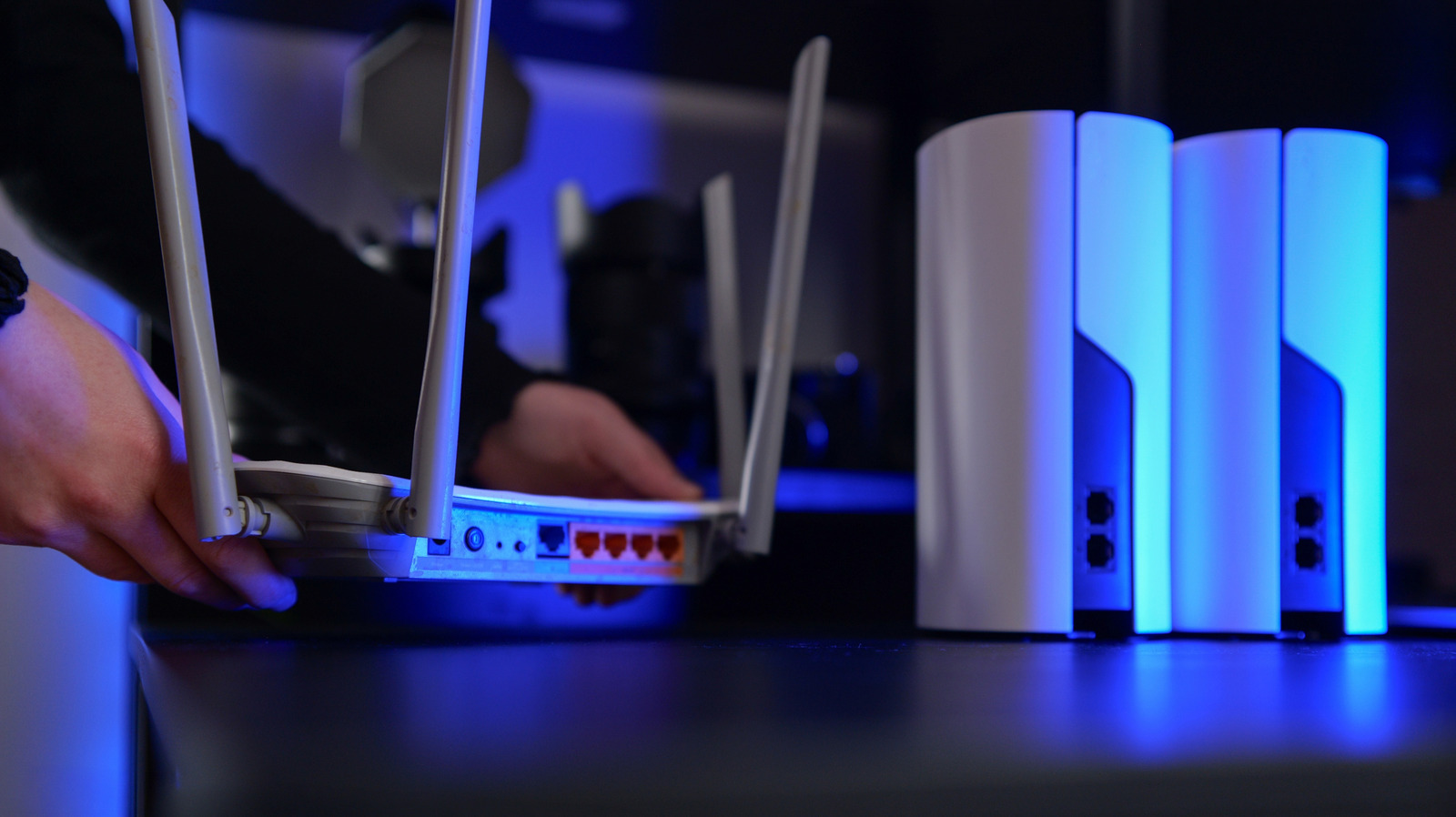
The US Federal Communications Commission (FCC) has implemented a ban on the sale of new home internet routers containing foreign components, citing national security risks such as espionage and intellectual property theft. Driven by the Trump administration’s 2025 National Security Strategy, the policy requires devices to be free of foreign design, assembly, or component origins. However, the mandate faces significant implementation challenges as no consumer Wi-Fi router is currently 100 per cent American-made, with major domestic brands like Google, Netgear, and Amazon relying on overseas manufacturing.
In response to supply chain shortages and industry pushback, the FCC has extended the deadline for software and firmware updates for existing foreign-made routers until at least January 1, 2029. This adjustment follows lobbying by the National Consumer Technology Association, which cited critical shortages in substrate materials and memory modules that could disrupt broadband services. The delay contradicts earlier plans to halt software support for existing devices after 2027, a move critics argue may increase security vulnerabilities by leaving devices exposed to cyber threats.
At least 11 companies, including Netgear, Amazon (Eero), Nokia, and Arcadyan, have received waivers to continue selling their routers in the US through 2027. The FCC’s enforcement applies to the full scope of operations, including design processes; firms must move all operations to the US or seek a waiver. T.P. Link, which produced roughly 35 per cent of America’s home routers in 2026, met with the FCC to secure conditional approval, arguing it is investing hundreds of millions of dollars to move manufacturing and R&D to its Irvine, California subsidiary.
Critics and industry advocates argue the policy is contradictory, as major American brands also rely on overseas manufacturing. Google makes its Nest routers in Vietnam and China, while Netgear splits its operation between Vietnam and Taiwan. Even SpaceX’s Starlink routers, often cited as a blueprint for domestic production, rely on Vietnamese partners for components. The Electronic Frontier Foundation (EFF) has warned that the opaque approval process entrenches existing players and creates problematic quid-pro-quo arrangements.
The future of the American router market remains uncertain as the FCC continues to issue approvals for companies like Hitron Technologies and Vantiva. The administration appears willing to continue easing its restrictions, despite the initial goal of untethering America’s Wi-Fi networks from foreign manufacturers. As companies court the FCC for approval, consumers and investors face a regulatory landscape defined by ad-hoc exceptions and extended timelines.
