FCC grants Amazon extension for Leo satellite launch deadline
Amazon retains status as second major broadband constellation but loses priority launch rights after 2026
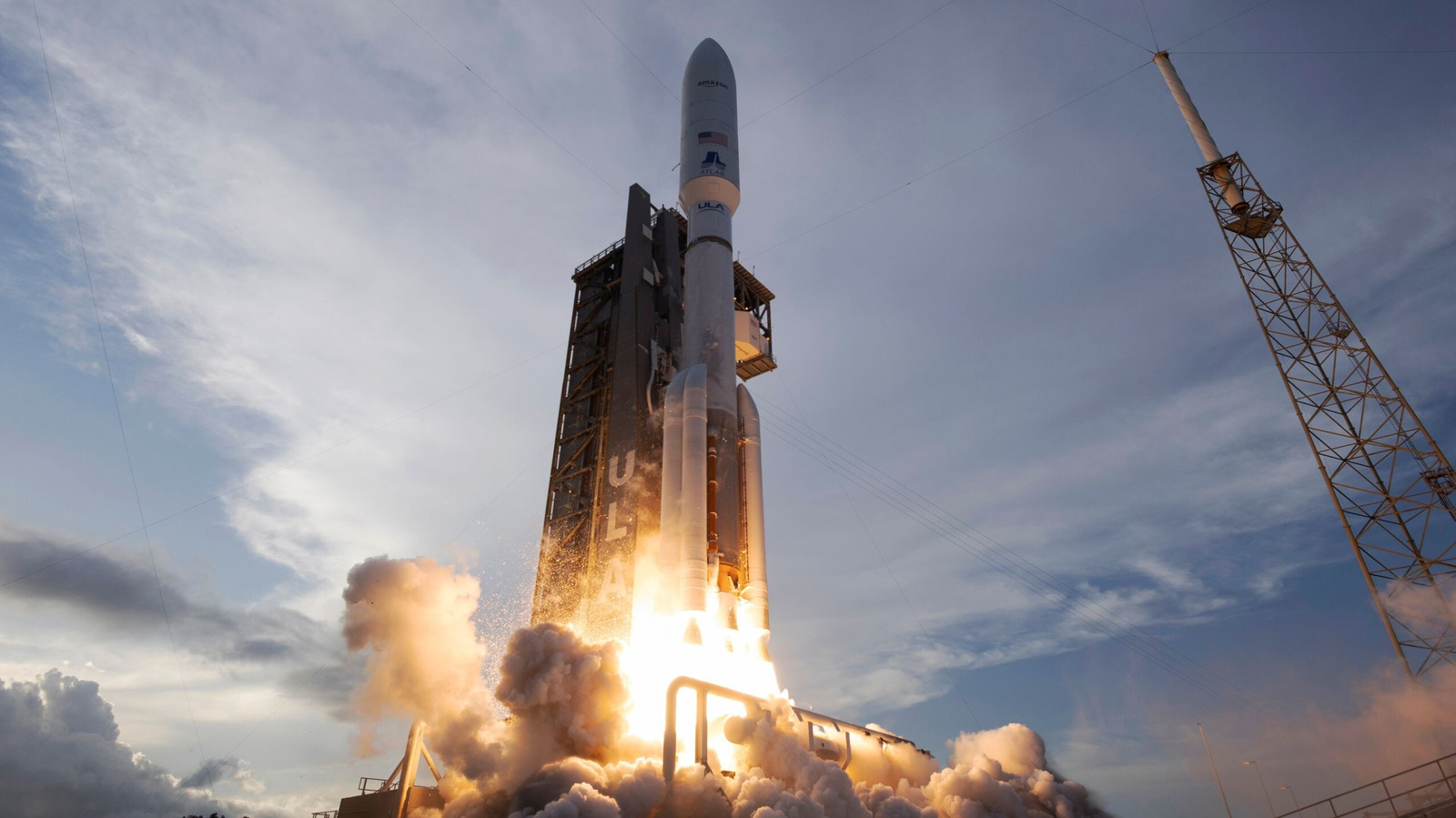
The US Federal Communications Commission has granted Amazon an extension to its July 30 deadline for launching 1,600 Leo satellites, citing rocket capacity issues and design changes. The ruling, released on June 5, allows Amazon to maintain its status as a second large satellite broadband constellation alongside SpaceX. However, Amazon will lose priority launch status after July 31, 2026, and must demonstrate that its network will not interfere with other operators. The full constellation of 3,232 satellites remains due by July 2029.
Amazon requested the extension in January due to rocket capacity issues and design changes. SpaceX opposed the extension, arguing it gave Amazon special treatment and noting that Amazon had launched only six percent of its satellites over the past six years. Amazon attributed the slow pace to scheduling slips in heavy-lift launch programs, specifically Ariane 6, New Glenn, and ULA's Vulcan Centaur.
Both Vulcan and New Glenn are currently grounded following recent anomalies, including a launchpad explosion of New Glenn on May 29. The FCC stated that strict adherence to the original rules would curtail the deployment of Amazon's Gen1 constellation, which is contrary to the Commission's mandate. The regulator emphasised that the waiver serves the public interest by promoting a second large satellite broadband constellation to American consumers.
The reprieve comes with significant conditions. Amazon will lose its priority status for any launches after July 31, 2026. This means it will be required to demonstrate that Leo will not interfere with other operators, particularly SpaceX. That clause addresses SpaceX's primary concern about conflicts with its Starlink constellation, which remains the dominant player in the low Earth orbit market.
Despite the delays, Amazon still plans to launch commercial Leo internet service later this year. However, meeting the July 2029 deadline for the full constellation remains a large challenge. Future launches, including with other providers like SpaceX, will need to go without a hitch given the current grounding of key launch vehicles and ongoing investigations into recent anomalies.
