FCC Chair Brendan Carr faces bipartisan backlash over First Amendment concerns and regulatory overreach
As the Federal Communications Commission prepares to vote on lifting broadcast ownership caps, Chairman Brendan Carr is under intense scrutiny for alleged efforts to suppress free speech and investigate public broadcasters.
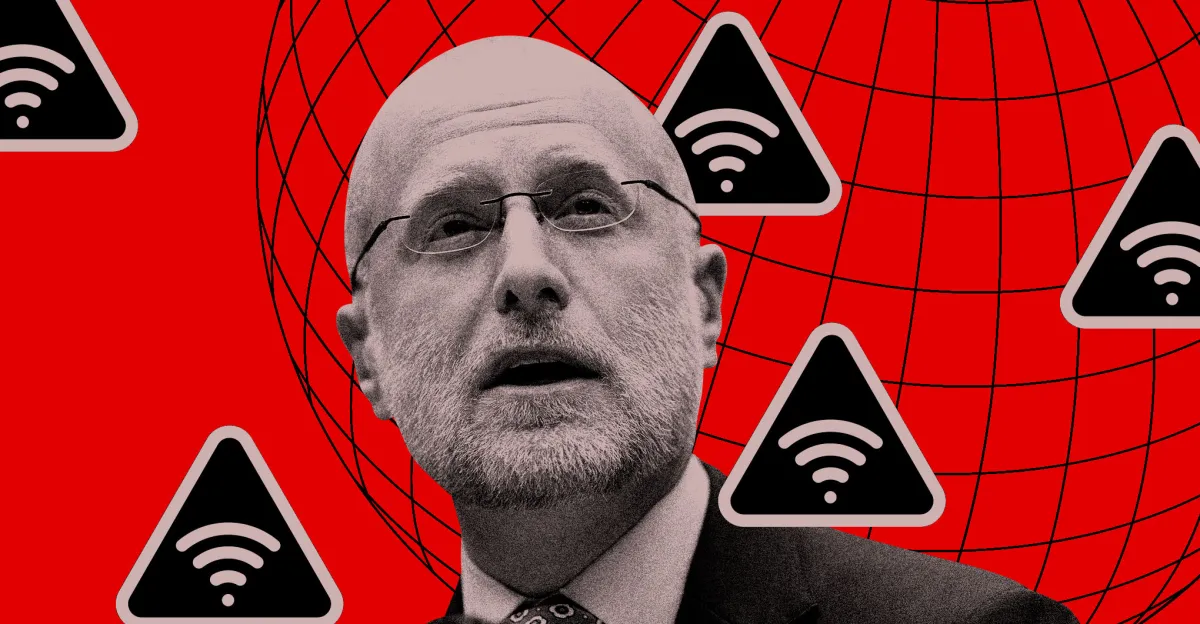
Federal Communications Commission Chairman Brendan Carr is facing mounting criticism for allegedly wielding his regulatory authority to suppress free speech, particularly following an incident where he pressured ABC to temporarily remove Jimmy Kimmel’s late-night show. The comedian returned to television on Tuesday, directly naming Carr in his monologue and featuring a sketch with Robert De Niro playing an unnamed FCC chair, to highlight the dangers of coercing affiliates. Carr testified for three hours before the Senate Commerce Committee on Wednesday, facing bipartisan concern regarding the erosion of First Amendment rights, though he maintained that his comments were not intended to threaten broadcast licenses over coverage of the war in Iran.
Concurrently, the FCC has launched an investigation into the BBC, PBS, and NPR regarding the US broadcast of a controversial documentary featuring a misleading edit of a Donald Trump speech. Breitbart obtained a copy of Carr’s letter announcing the probe, which has not been publicly shared by the agency. The letter was addressed to the CEOs of the three public broadcasters, marking another instance of the chairman using his position to target media entities that have exercised their free speech rights.
In a significant legal challenge, a bipartisan group of former FCC commissioners and staffers has petitioned the US Court of Appeals for the District of Columbia for a writ of mandamus. They are urging the court to force the FCC to vote on repealing the News Distortion Policy, which they argue has been weaponised by Carr to pressure ABC into suspending Kimmel’s programme. The petitioners seek to compel the agency to take action, potentially opening a legal pathway to remove a tool they believe undermines constitutional protections.
On the legislative front, Senators Ted Cruz and Ron Wyden introduced the JAWBONE Act, which would allow individuals to sue for damages if government officials illegally coerce media or AI companies to remove content. The bill also mandates transparency in government communications with these entities. This legislative effort comes as the FCC prepares to vote on August 6 to eliminate the national broadcast ownership cap, a rule currently limiting a single company to owning stations reaching 39 percent of US TV households. Carr has argued that the rise of social media and streaming platforms renders the cap obsolete.
The FCC is also revising broadband billing transparency rules, seeking to relax requirements for internet service providers to itemise fees on monthly bills. Additionally, the Media Bureau is soliciting public comments on whether the TV ratings system has adequately handled children’s programming featuring transgender or nonbinary characters, citing concerns over a lack of disclosure to parents. These moves come as Carr continues to face scrutiny for his regulatory approach and his stated mission to reshape the media landscape.
