FCC approves Reflect Orbital’s space mirror prototype despite astronomical opposition
The US regulator’s decision allows the first test of technology that could eventually deploy a 50,000-satellite constellation, drawing sharp rebuke from global observatories and environmental groups.
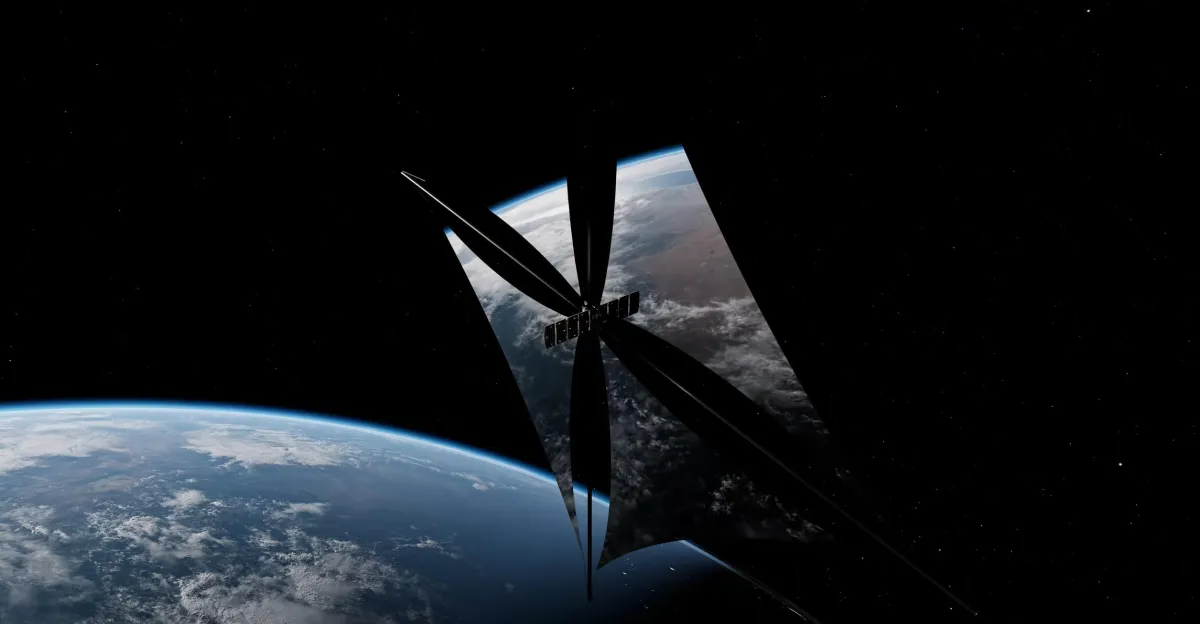
The US Federal Communications Commission has authorised California-based startup Reflect Orbital to construct and operate a prototype space mirror satellite named Eärendil-1 in low-Earth orbit later this year. The approval permits the company to test technology designed to redirect sunlight to specific locations on the ground after dark, utilising an 18-metre reflective surface.
The satellite, named after a character in J.R.R. Tolkien’s legendarium, aims to illuminate areas up to 5 kilometres in diameter. Reflect Orbital states the technology will be available on demand for industries including solar energy, agriculture, and emergency response. The company suggests applications such as search-and-rescue operations, carbon-free city lighting, and extending working hours for construction projects.
The decision has drawn significant opposition from astronomers and environmental groups concerned about light pollution, space junk, and impacts on wildlife and aviation. The FCC received nearly 2,000 public comments opposing the plans, with critics including the American Astronomical Society, DarkSky International, the Royal Astronomical Society, and the European Southern Observatory.
Betty Kioko, institutional affairs officer for the European Southern Observatory, described the technology as an existential threat to optical astronomy in comments made prior to the clearance. Critics argue the reflected light could interfere with astronomical observations, disrupt wildlife dependent on natural light cycles, and pose safety risks for aircraft pilots.
Reflect Orbital has indicated that a successful prototype could lead to a constellation of 50,000 satellites by 2035. However, the long-term environmental and regulatory impacts remain unproven, and the success of the Eärendil-1 mission is a prerequisite for the broader expansion plans.
