FCC Approves Reflect Orbital’s Experimental Mirror Satellite Amid Astronomer Backlash
The US regulator has cleared the Santa Monica-based startup to launch an 18-metre reflector in low Earth orbit, marking a significant step in a controversial plan to illuminate specific locations on Earth for energy and emergency purposes.
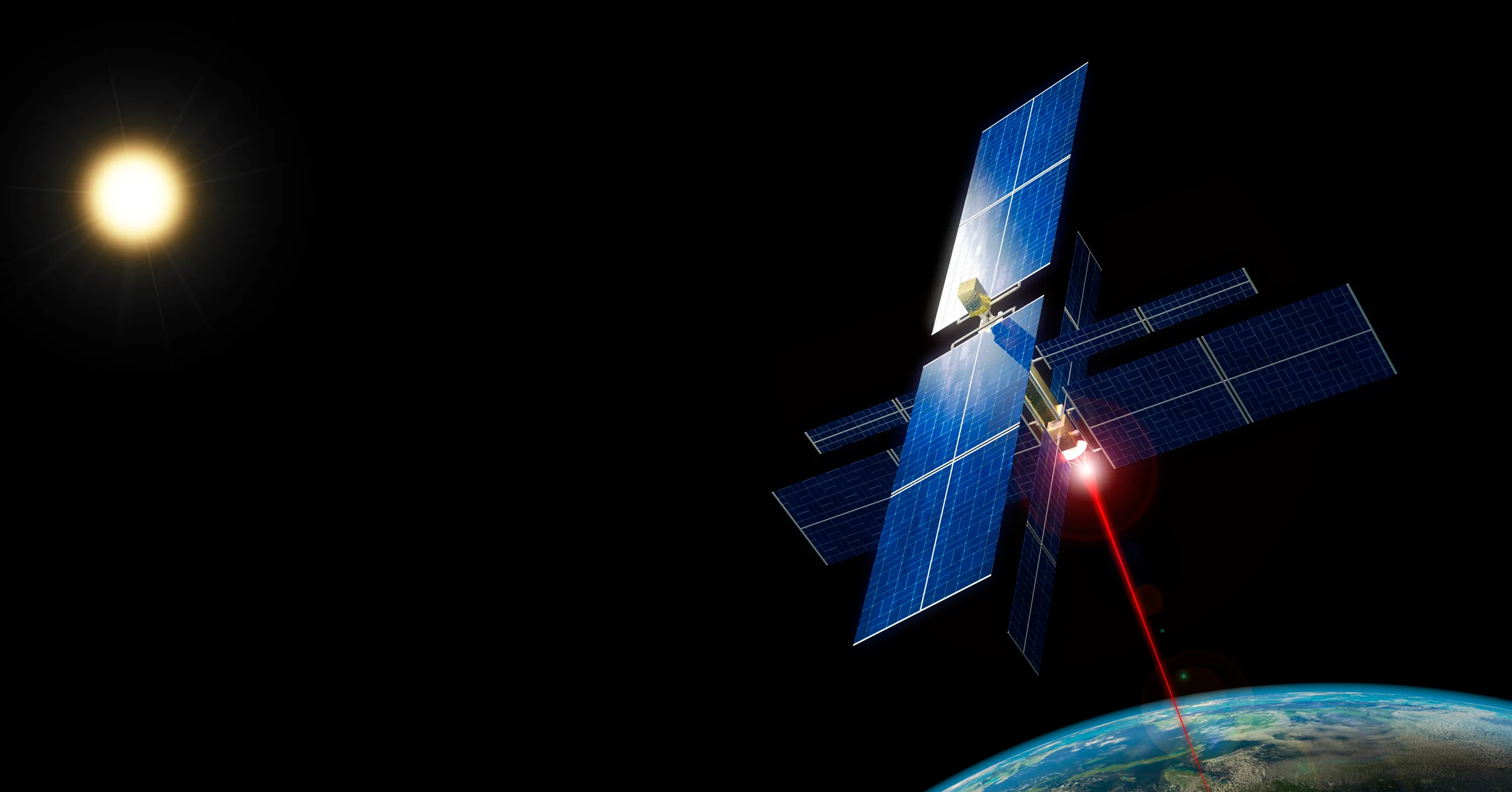
The US Federal Communications Commission (FCC) has authorised Reflect Orbital to build, launch, and operate Eärendil-1, an experimental mirror satellite in low Earth orbit. The decision, announced on 9 July, permits the Santa Monica-based startup to deploy a single test unit at an altitude of approximately 625 kilometres. The satellite is equipped with an 18-metre reflector designed to bounce sunlight onto specific locations on Earth, potentially illuminating areas between 5 and 6 kilometres in diameter for brief periods.
The primary objective of the mission is to evaluate the technical feasibility of the ultrathin, film-based reflector. Reflect Orbital intends to use the technology to provide continuous light for solar panel installations, allowing them to generate electricity at night. The company also highlights potential applications in search-and-rescue operations, emergency infrastructure support, and lighting remote construction sites without relying on conventional generators. The satellite’s name, Eärendil-1, references a character from J.R.R. Tolkien’s The Lord of the Rings series.
The approval has drawn sharp criticism from astronomers and environmental groups. The European Southern Observatory, the American Astronomical Society, DarkSky International, and the Royal Astronomical Society have raised concerns regarding existential threats to optical astronomy, increased light pollution, and risks to aviation and nocturnal ecosystems. Betty Kioko, institutional affairs officer for the European Southern Observatory, stated that for optical astronomy, the project poses an existential threat. Critics argue that ground-based observatories already face interference from thousands of satellites in low Earth orbit.
During the regulatory review process, the FCC received nearly 2,000 public comments, predominantly questioning the proposal. Tony Tyson, chief scientist for the Vera C. Rubin Observatory, expressed skepticism regarding the precision with which the startup claims the satellites can direct reflected light. Some researchers have also warned about possible flashes of reflected light affecting aircraft pilots, drivers, or wildlife dependent on natural light cycles.
In its decision, the FCC stated that concerns regarding the impact on optical astronomy fall outside its regulatory scope. The agency noted that the approval covers only a single test mission to evaluate technical feasibility, rather than a commercial constellation. Any future deployment of multiple satellites would require new regulatory approvals. Reflect Orbital pledged to engage with stakeholders and the scientific community, stating it will measure real-world impacts and be willing to change course if evidence does not support further deployment.
