Fatal Acanthamoeba Infection Claims Life of 78-Year-Old Man Despite Aggressive Treatment
Medical staff speculate age, nasal rinsing, and use of dupilumab contributed to multiorgan failure in a case reported in Emerging Infectious Diseases
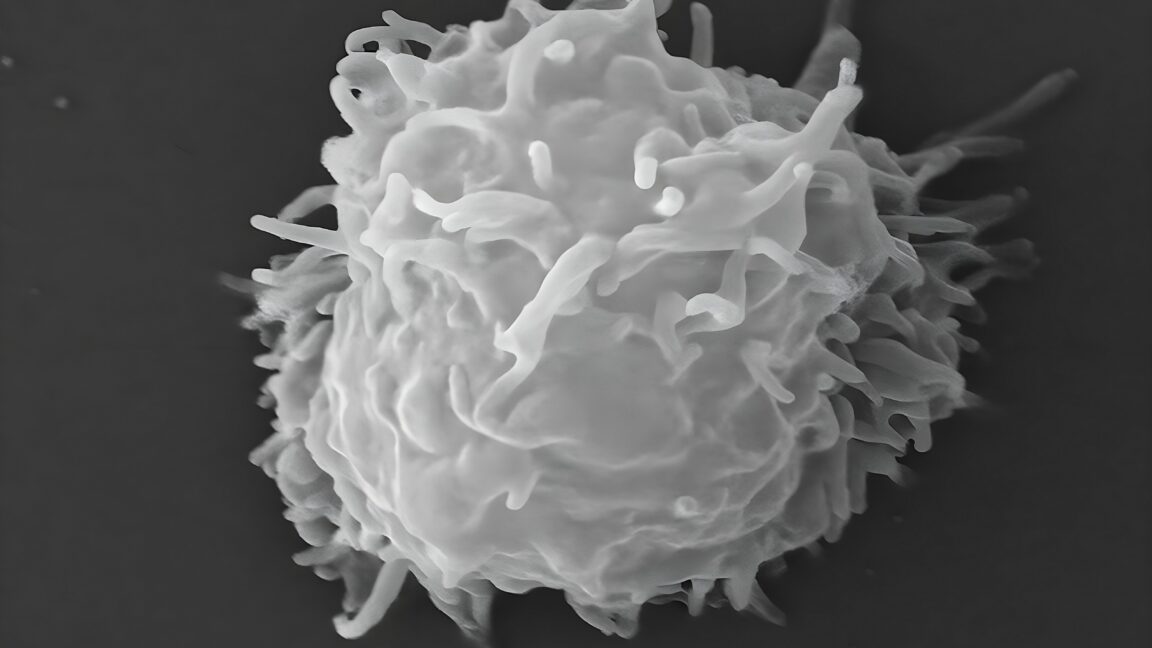
A 78-year-old man has died following a fatal, full-body infection by the free-living amoeba Acanthamoeba, a case that has drawn attention from medical professionals investigating rare parasitic outbreaks. The patient developed necrotic lesions and deep ulcers over a period of six months, which eventually led to multiorgan failure and death. Doctors at the Yale School of Medicine identified the causative agent via DNA testing of a skin biopsy after the patient was transferred for higher-level care.
The infection was particularly puzzling because the patient did not fit the standard risk categories typically associated with such severe outcomes. While Acanthamoeba is known to cause eye infections or brain infections in immunocompromised individuals, such as those with HIV/AIDS or on powerful immunosuppressants, this man had a history limited to nasal polyps and asthma. His medical record showed no signs of the compromised immune systems usually required for the amoeba to cause such widespread damage.
Medical staff at Yale speculate that three specific factors likely contributed to the fatal outcome. The first was the use of nasal rinses to treat his polyps, which is considered the most probable route of entry for the organism found in tap water. The second factor was the patient's advanced age and declining immune responses. The third potential contributor was the use of the monoclonal antibody drug dupilumab, which inhibits specific immune signals and has been linked in rare cases to increased susceptibility to parasitic infections.
Despite the identification of the pathogen, the patient's condition deteriorated rapidly even after receiving a five-drug regimen recommended by the Centers for Disease Control and Prevention. Subsequently, doctors sought approval from the Food and Drug Administration for a single-patient experimental trial of the antibiotic nitroxoline. While this treatment appeared to offer brief improvement, the patient's kidney function worsened, leading to the cessation of the drugs to prevent further damage.
The case has been reported in the journal Emerging Infectious Diseases, highlighting the dangers of free-living amoebas that can be found in over 50 per cent of US tap water samples. Although the Yale doctors noted that further data is needed to firm up any direct link between dupilumab and parasitic infections, they emphasise that physicians should not overlook potential signs of these organisms in patients with unexplained necrotic lesions. The man died six weeks after the infection was identified, leaving medical teams to analyse how a common environmental pathogen could prove so lethal in an otherwise healthy elderly patient.
