Fast-food giants pivot AI strategy from drive-thru chatbots to backend efficiency
As artificial intelligence implementations in drive-thru voice ordering face operational hurdles and consumer resistance, major quick-service restaurants are redirecting capital toward less visible technologies designed to improve kitchen logistics and service speed.
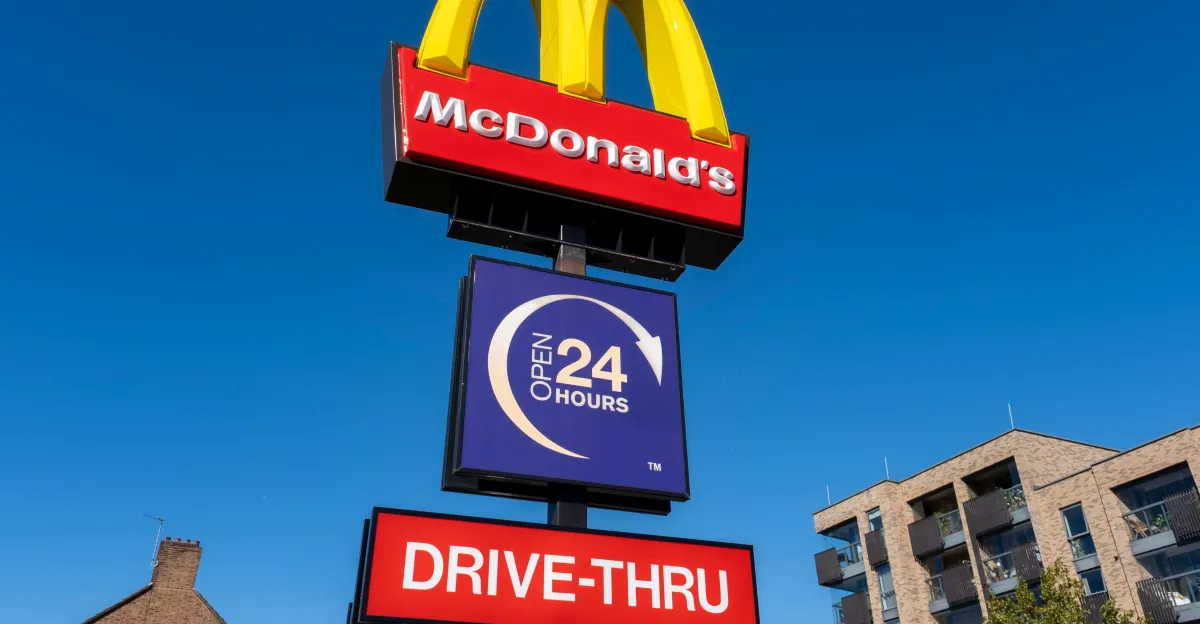
Major fast-food operators including McDonald’s, Wendy’s, and Taco Bell are expanding the deployment of artificial intelligence beyond the controversial drive-thru voice-ordering chatbots that have dominated industry headlines. This strategic pivot follows significant operational challenges and customer backlash associated with earlier AI voice systems, prompting a reevaluation of how technology integrates into daily restaurant operations.
The shift away from front-of-house chatbots comes after McDonald’s ended its partnership with IBM in 2024, citing issues with the AI voice system. Despite this, The Verge reports that McDonald’s is giving AI-powered drive-thrus a second chance while simultaneously exploring new applications. These include predictive maintenance systems to forecast equipment breakdowns and AI-powered scales designed to verify order contents by comparing target weights against actuals, alerting staff if items are missing.
Burger King is also testing new internal tools, piloting an AI assistant named “Patty” for staff members. Currently in a limited test, Patty listens to employee interactions to evaluate friendliness by tracking specific phrases such as “welcome,” “please,” and “thank you.” The assistant also aids in food preparation by answering recipe queries, while separately informing managers when machinery requires maintenance or items are out of stock.
Taco Bell is experimenting with AI-driven digital menu boards that adjust layout, content, and visuals on a car-by-car basis. Ranjith Roy, chief financial officer of Taco Bell parent company Yum!, highlighted this dynamic approach during the company’s most recent earnings call, suggesting the technology tailors menu presentations based on individual customer data.
Other chains are utilising camera-based systems to enhance service efficiency without relying on voice recognition. Culver’s and Zaxbys are working with Berry AI to deploy camera timers that track traffic flow and service execution. Berry AI claims this technology reduces drive-thru service times by 20 to 40 percent, offering a measurable improvement in operational speed.
The move toward backend and staff-assistive AI follows a period of significant friction for voice-ordering systems. A January 2025 YouGov survey indicated that 55 percent of Americans prefer human interaction at the drive-thru, compared to just 4 percent who prefer AI chatbots. This sentiment contributed to Taco Bell reevaluating its deployment strategy after customers expressed frustration on social media.
Regulatory scrutiny has also impacted the sector. The Securities and Exchange Commission charged Presto, the company powering AI drive-thrus for Checkers, Rally’s, and Dairy Queen, with misleading customers about the technology’s capabilities. An SEC filing revealed that human workers in the Philippines had been stepping in for most orders taken by Presto’s system, undermining claims of full automation.
