FAA clears Blue Origin to resume New Glenn flights following April engine failure
Blue Origin has been authorised to return to launch operations after submitting a corrective report to the US Federal Aviation Administration. The clearance ends a one-month suspension triggered by an off-nominal thermal condition that prevented the delivery of an AST SpaceMobile satellite to orbit.
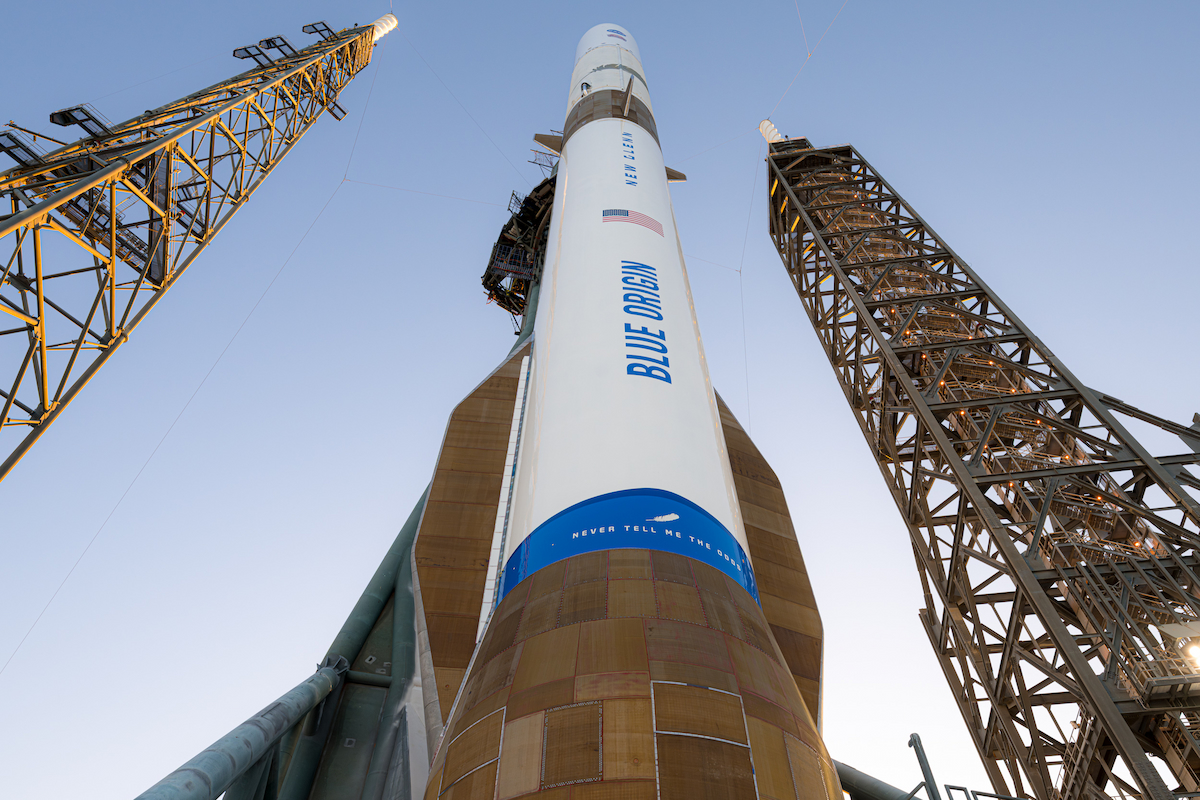
The US Federal Aviation Administration has lifted the grounding on Blue Origin’s New Glenn mega-rocket, permitting the resumption of flights following an engine failure in April. The incident, which occurred during the vehicle’s third launch, resulted in the loss of an AST SpaceMobile satellite after the upper stage experienced an “off-nominal thermal condition” that reduced thrust, preventing the payload from reaching orbit.
Blue Origin confirmed the cause of the mishap in a post on X, stating that one of the three upper-stage engines produced lower-than-expected thrust. This performance shortfall prevented the satellite from achieving the necessary velocity to enter orbit, resulting in the vehicle burning up in Earth’s atmosphere. AST SpaceMobile has confirmed it holds insurance coverage that compensates for the cost of the lost satellite.
The April flight presented a mixed outcome for the spaceflight company. While the upper stage failed, the mission successfully demonstrated the reuse of the New Glenn booster stage for the first time. The booster landed on a drone ship in the ocean, marking the second time the stage has been recovered in this manner.
Blue Origin submitted a report to the FAA and implemented “corrective measures” to address the thermal anomaly. The company did not disclose specific technical details regarding the nature of these measures or the root cause of the thermal condition beyond the initial description. The one-month grounding period allowed regulators to review the incident and the company’s response before granting clearance to resume operations.
The clearance allows Blue Origin to resume its schedule of up to 12 launches by the end of 2026. It remains unclear how the one-month delay has impacted the company’s ability to meet this aggressive target, though the removal of the regulatory blockage is a necessary step for the company to attempt to catch up on its launch cadence.
