F1 teams deploy multimillion-dollar simulators to chase milliseconds of precision
With costs reaching $10 million, driver-in-the-loop technology allows engineers to replicate vehicle dynamics with extreme fidelity, bridging the gap between virtual testing and track performance.
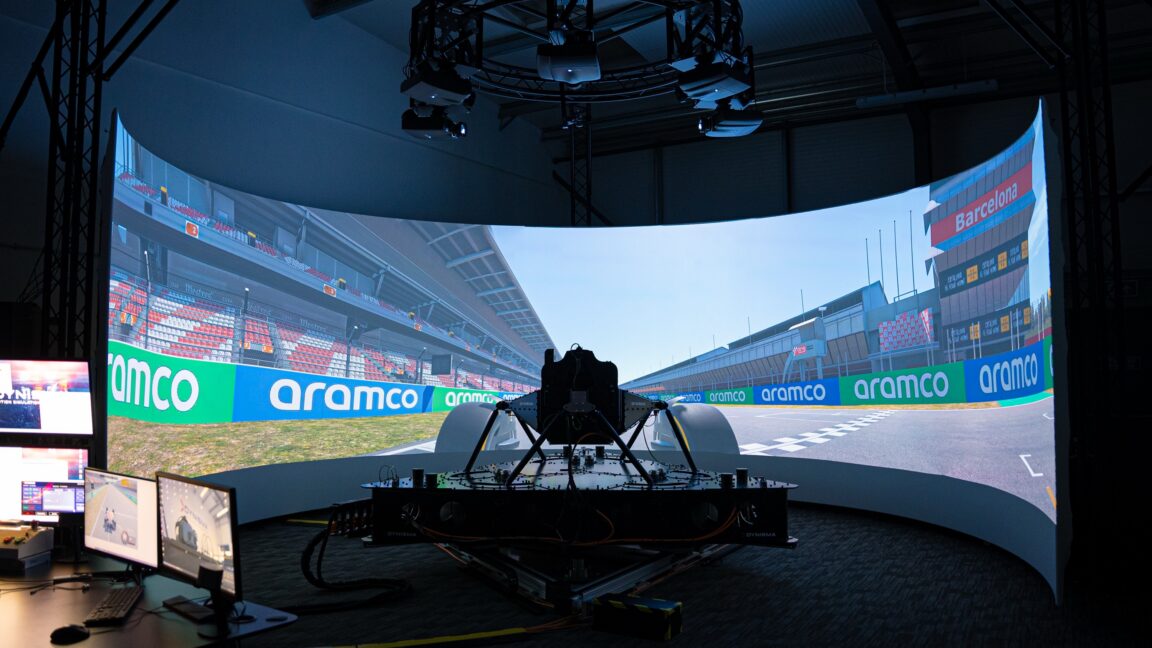
Formula 1 teams are increasingly relying on multimillion-dollar driver-in-the-loop simulators to replicate vehicle dynamics with extreme precision. These systems, such as those developed by Dynisma Motion Generators, can cost up to $10 million and are distinguished by ultra-low latency of 3 to 5 milliseconds and high bandwidth capabilities that transmit high-frequency vibrations. This technical focus on tactile feedback differentiates car simulators from flight simulators, which typically prioritise sustained bank angles.
Ash Warne, founder and CTO of Dynisma Motion Generators, explains that the critical factor is the intimate link between driver input and car response. Dynisma supplies Ferrari, Alpine, and the upcoming Cadillac F1 team with these systems. Warne noted that the first prototype was built using hobbyist-grade electronics, including Arduino and Raspberry Pi units, to prove the concept of ultra-low latency before moving to industrial systems.
Simon Pagenaud, sim driver for the Cadillac F1 team, emphasises that the hardware must replicate the displacement of suspension and the distinctive feeling of tires moving under the rim. Pagenaud has seen racing simulators evolve since his first experience in 2008 with Wirth Research. He states that while visuals and platform movement have improved, the fight for lower latency remains central to giving drivers the correct feedback.
The primary role of sim drivers is to analyse tyre degradation and test aerodynamic and mechanical changes. Pagenaud notes that a major current focus is understanding the energy spent into tyres to prevent overheating and extend tyre life. Unlike younger sim drivers who focus on proving their speed, Pagenaud’s role involves providing consistent, subjective feedback to engineers on whether simulated changes feel better or worse in real life.
During the Monaco Grand Prix, Pagenaud worked from GM’s motorsports HQ in Charlotte, North Carolina, correlating sim data with real-time track data from drivers Sergio Perez and Valtteri Bottas. The work is methodical, requiring consistency within two-tenths of a second per lap deviation to ensure quality data for engineers. The Cadillac F1 team’s new Dynisma simulator will be installed at their new base in Indianapolis.