F1 Rejects Automaker Leverage Amid Flawed 2026 Power Unit Regulations
The 2026 power unit rules, codified in 2022 on the premise of irreversible electrification, are now being overhauled due to shifting industry strategies and driver dissatisfaction.
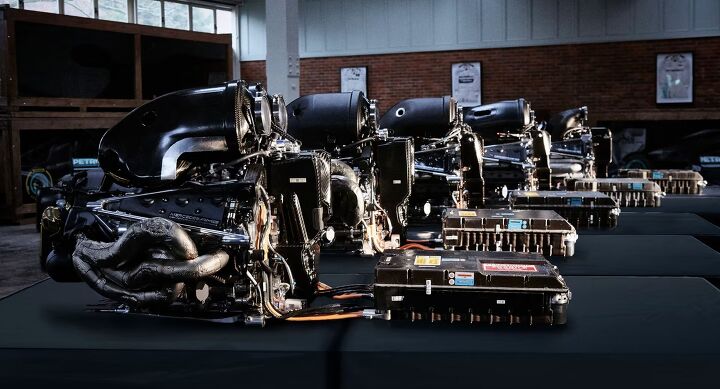
Formula 1 has publicly rejected the notion of being held hostage by automakers regarding the 2026 power unit regulations, a stance confirmed by FIA single-seater director Nikolas Tombazis ahead of the Miami Grand Prix. The governing body acknowledges that the guiding principles of the current engine formula are properly flawed, a direct result of the uneven adoption of electric vehicles globally and a shift in the automotive landscape that contradicts the sport's original assumptions.
When the regulations were agreed to in 2022, major manufacturers were adamant that they would cease developing internal combustion engines in favour of full electrification. This logic led to a hybrid system designed with a near 50/50 split between electric power and internal combustion. However, the reality has diverged sharply; key proponents of the electrification narrative, including Audi, Honda, and Renault, have altered their strategies or exited the sport, while synthetic fuels have extended the viability of combustion engines beyond initial predictions.
This disconnect has forced technical compromises in the hybrid system, particularly regarding energy management and recovery, to make the formula viable in a racing environment. Tombazis admitted that these adjustments have led to driver dissatisfaction, with reports suggesting that the regulations are perceived as anti-racing. The situation has become so contentious for some drivers, including Max Verstappen, that speculation suggests they may consider retirement due to the rules undermining the competitive nature of the sport.
In response to these challenges, the FIA is prioritising the protection of the sport from macroeconomic volatility and the risk of manufacturer withdrawals over strict adherence to the initial electrification narrative. Tombazis emphasised that while the organisation desires manufacturers to participate, it cannot be vulnerable if they decide to leave. Consequently, the focus has shifted towards cost reduction and ensuring the sport remains stable regardless of the fluctuating decisions of automotive companies.
Discussions regarding the next engine formula, expected around 2031, are already underway despite the 2026 regulations being less than six months old. This accelerated timeline reflects the urgent need to recalibrate the technical direction of the sport to align with the current state of the global automotive industry rather than the theoretical future that was projected years ago. The clock is ticking as the FIA seeks to define a new regulatory framework that balances technological ambition with economic reality.