F1 2026: Spa-Francorchamps exposes power unit flaws as Antonelli claims sixth victory
Kimi Antonelli secured his sixth win of the season at the Belgian Grand Prix, while Max Verstappen finished second and Lewis Hamilton received a five-second penalty for a collision with George Russell.
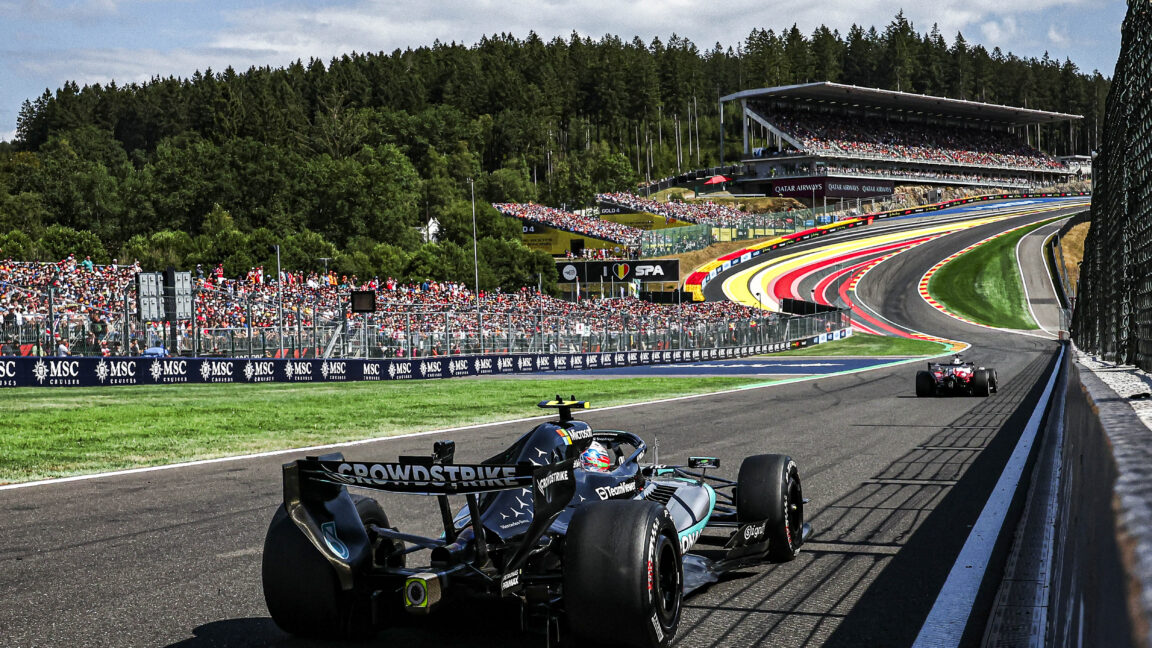
The 2026 Formula One season continued at the Spa-Francorchamps circuit in Belgium, where the new hybrid power units faced widespread criticism for being ill-suited to the track’s high-speed corners. According to a report by Ars Technica, the electric motors on the 2026 cars provide power for only a few seconds per lap, leaving the vehicles with less rear-wheel power than Formula 2 feeder series cars for much of the circuit. This limitation has forced drivers to conserve battery energy by coasting rather than accelerating through sectors that previously demanded full commitment.
Red Bull driver Max Verstappen, who qualified second behind Mercedes’ Kimi Antonelli, highlighted the severity of the power deficit. Verstappen noted that Sector 2 of the Spa circuit produces an output of approximately 450 to 500 brake horsepower, comparable to a Formula 3 car, albeit with Formula 1 downforce. He described the experience as unexciting to drive, stating that for most of the sector, the cars run solely on the internal combustion engine. Despite the performance issues, Verstappen briefly led the race at the start but was unable to hold the position, ultimately finishing second.
Mercedes driver George Russell struggled significantly throughout the weekend, finishing off the podium after a collision with Lewis Hamilton. Russell attributed his lack of speed to opaque self-learning artificial intelligence systems managing energy deployment, which he claimed left him feeling powerless on the straights. The British driver reported losing speed even when at full throttle, a issue he said dominated his focus for 36 hours prior to the race. The Mercedes garage failed to resolve the performance gap, with Russell’s car appearing visibly slower than his teammate’s on flat-out sections.
The race concluded with a controversial incident at Turn 1, where Russell attempted an overtake on Hamilton after regenerating energy. Russell clipped Hamilton, causing both cars to spin, with Russell ending up in the gravel trap and suffering a Did Not Finish. Despite stewards deeming Russell primarily at fault for the collision, Lewis Hamilton was issued a five-second penalty for the incident. Hamilton, who was minding his own business when the contact occurred, had no space to avoid the Mercedes.
Antonelli secured pole position and went on to win the race, marking his sixth victory of the 2026 season. The win extended his dominance on the grid, further highlighting the disparity between him and Russell, who had been considered a champion-in-waiting before the season began. While Verstappen expressed intent to stay in Formula One for now, rumors continue to swirl regarding his future, including potential contract escape clauses or a move to McLaren. The weekend served as another example of the new ruleset’s challenges, with the 2026 cars struggling to perform optimally on the sport’s most popular and historic tracks.
