Exxon Mobil chief warns global oil markets have not fully priced in Iran conflict risks
Amidst volatile trading patterns, the executive suggests that geopolitical tensions in the Middle East remain a significant, unquantified variable for investors.
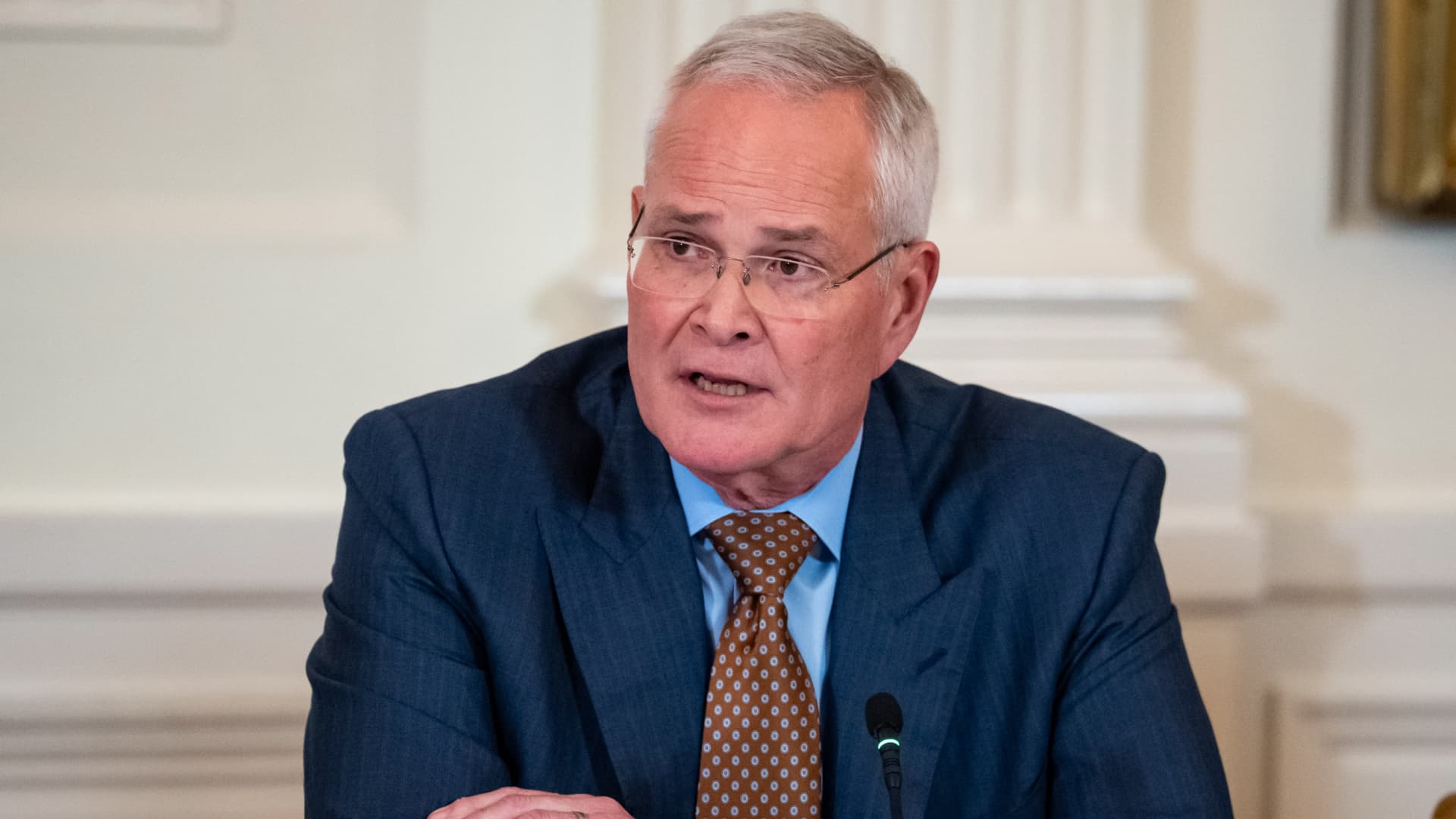
Exxon Mobil's chief executive has issued a warning that global oil markets have not yet fully incorporated the risks associated with the ongoing conflict in Iran. The statement comes as the energy sector grapples with a volatile trading environment where prices have recently swung between fears of escalation and hopes for de-escalation.
According to the CEO, the current pricing does not reflect the severity of the geopolitical threats facing the region. This assessment highlights the strategic significance of the Strait of Hormuz, a critical chokepoint for global oil supply that remains susceptible to disruption if the situation deteriorates further.
The volatility in recent trading sessions has illustrated the uncertainty surrounding the region. Oil prices have soared on the risk of escalation and then plunged on hopes for peace before repeating the cycle. This pattern underscores the difficulty in predicting the precise timeline or magnitude of any potential price adjustments.
The CEO's forecast relies on the anticipation of future events, specifically whether the conflict will escalate to a point that materially disrupts the Strait of Hormuz. While the executive asserts that the market has not seen the full impact of the war, the prediction remains contingent on speculative future developments rather than concrete data on existing supply chain disruptions.
Investors and institutions are advised to treat such forecasts with caution, noting that the outlook is dependent on external variables that are currently uncertain. The statement reflects a single executive's perspective on market sentiment rather than a quantitative analysis of supply and demand fundamentals.
As the situation in the Middle East evolves, the energy sector will likely continue to react to supply-side risk premiums. The market's ability to price in these geopolitical threats accurately will depend on whether the anticipated escalation materialises in the coming weeks.