Experts issue updated emergency preparedness guidance for early 2026 as wildfire risks rise
From portable power banks to DIY air filtration systems, specialists recommend assembling essential supplies now to navigate potential infrastructure failures, wildfires, and earthquakes across the region.
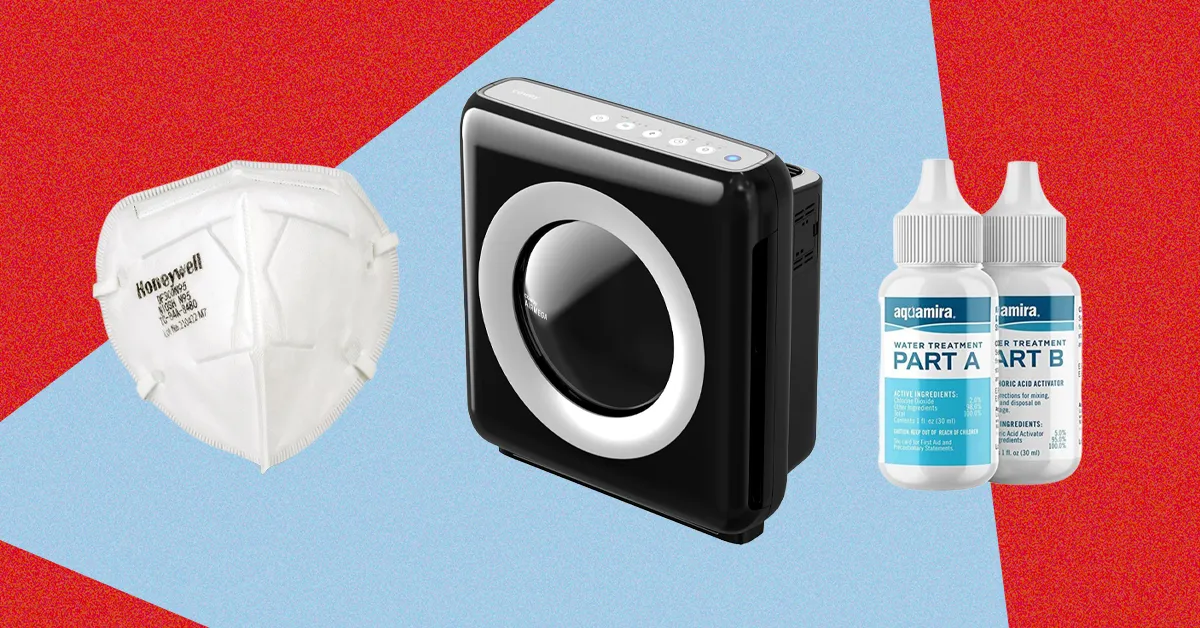
As of early 2026, emergency preparedness experts are advising the public to assemble comprehensive emergency kits and go bags to address potential disasters including wildfires, earthquakes, hurricanes, floods, and systemic infrastructure failures. The guidance emphasises that retail stores may be inaccessible during crises, making pre-stocking of essentials critical for maintaining safety and health when standard supply chains are disrupted.
This updated advice follows record-low snowpack levels in the American West winter of 2025, which have led to predictions of increased wildfire likelihood and reduced water availability for spring and summer 2026. Jonathan Sury, a senior staff associate at Columbia University's National Center for Disaster Preparedness, notes that while specific scenarios vary, the core requirement remains the same: families must plan for both power outages and the potential loss of water supplies for several days or even a week.
Specific product recommendations for 2026 include the Nimble and Ridge portable power banks, which are highlighted for their durability and capacity to keep devices charged during extended outages. Additionally, the Watch Duty wildfire awareness app is noted as a vital lifeline, having provided crucial evacuation information during the 2025 Los Angeles fires. For air quality management, experts suggest using DIY air purifiers constructed from box fans equipped with MERV 13 filters, though they caution that access to these specific components may be scarce during widespread infrastructure failures.
Digital safety updates now include specific advice on using Faraday bags to block tracking signals and procuring untracked altphones, such as the Moto G Stylus 5G, for use in border crossings or high-risk situations. University of Oregon expert Amanda Stasiewicz highlights a neglected aspect of preparation: preserving memories, such as art, recipe books, and photo albums, to aid in emotional recovery after a disaster rather than focusing solely on physical survival.
The Federal Emergency Management Agency maintains an emergency kit checklist on its website, while Columbia University offers online resources to help families understand their specific emergency needs. Regional wildfires may also require long-term emergency prep, taking into account smoke inhalation and potential public safety power shutoffs, meaning households should consider creating a defensible zone by removing flammable materials within a five-foot radius of the home.
While the guidance covers physical supplies like water, food, and medical kits, it also stresses the importance of intangibles such as family communication plans and digital backups of key documents. Experts warn that relying on specific product models or assuming immediate access to retail stores can be dangerous, urging individuals to act now before the next crisis strikes.
