Experts dismiss Blair’s fossil fuel push as economically unsound amid heatwave
Critics label the proposal ‘bizarre’ and ideologically driven, while the UK government reaffirms its commitment to renewable energy as a means of stabilising consumer bills.
Energy specialists and climate experts have strongly criticised former UK Prime Minister Tony Blair’s proposal to abandon the country’s 2050 net zero target and expand oil and gas extraction in the North Sea. Blair argued in an essay published on Wednesday that the UK should exploit remaining fossil fuel reserves, a stance that critics from organisations such as the E3G thinktank and the International Energy Agency (IEA) have labelled “bizarre” and economically unsound.
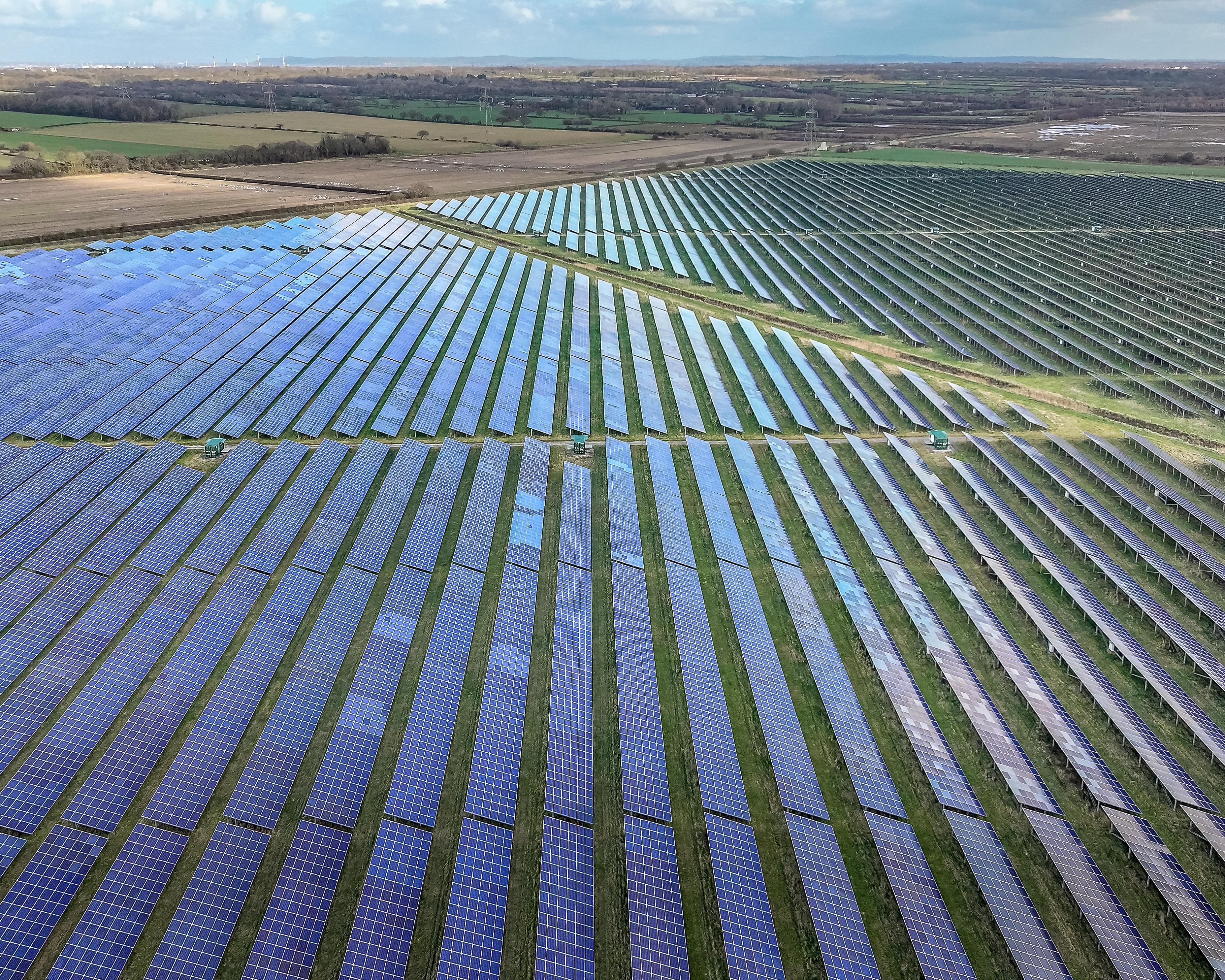
The UK government, led by Energy Secretary Ed Miliband, has reaffirmed its commitment to net zero, citing record solar generation as evidence that renewable energy enhances security and stabilises consumer bills. This debate unfolds against the backdrop of the UK’s worst May heatwave on record and ongoing global energy instability linked to the Iran crisis.
Ed Matthew, UK programme director at the E3G thinktank, described Blair’s intervention as “bizarre” given the current heatwave and global oil market volatility. He argued that clean energy is cheaper and protects households from price skyrocketing, noting that running costs are virtually zero and it does not cause the climate change that threatens economic collapse.
James Sutton, co-executive director of Zero Hour, claimed Blair’s policies would “lock Brits into more instability” and benefit billionaire funders rather than everyday people. Fatih Birol, head of the International Energy Agency, stated last month that opening new North Sea fields would have little impact on consumer prices, while Tessa Khan of Uplift dismissed the idea that the North Sea could serve as an engine for UK economic growth.
A Department for Energy Security and Net Zero spokesperson confirmed the government is not granting new exploration licences, focusing instead on managing existing fields for their full lifespan. Miliband highlighted record solar growth as proof that renewable energy enhances security and lowers bills by reducing exposure to volatile fossil fuel markets.
The Climate Change Committee warned last week that global heating of 2C by 2050 could wipe billions from the UK economy through climate-related damages. Jess Ralston of the Energy and Climate Intelligence Unit pointed to Spain as an example where higher renewable adoption shields households from volatile gas prices, emphasising that electrification is emerging as the obvious route to stabilised bills.