Expert witness warns of unregulated AGI arms race at OpenAI trial
The sole expert witness for Elon Musk in the OpenAI trial has cautioned against an unregulated competition among frontier AI labs, a warning that mirrors broader calls for legislative intervention on data centre construction.
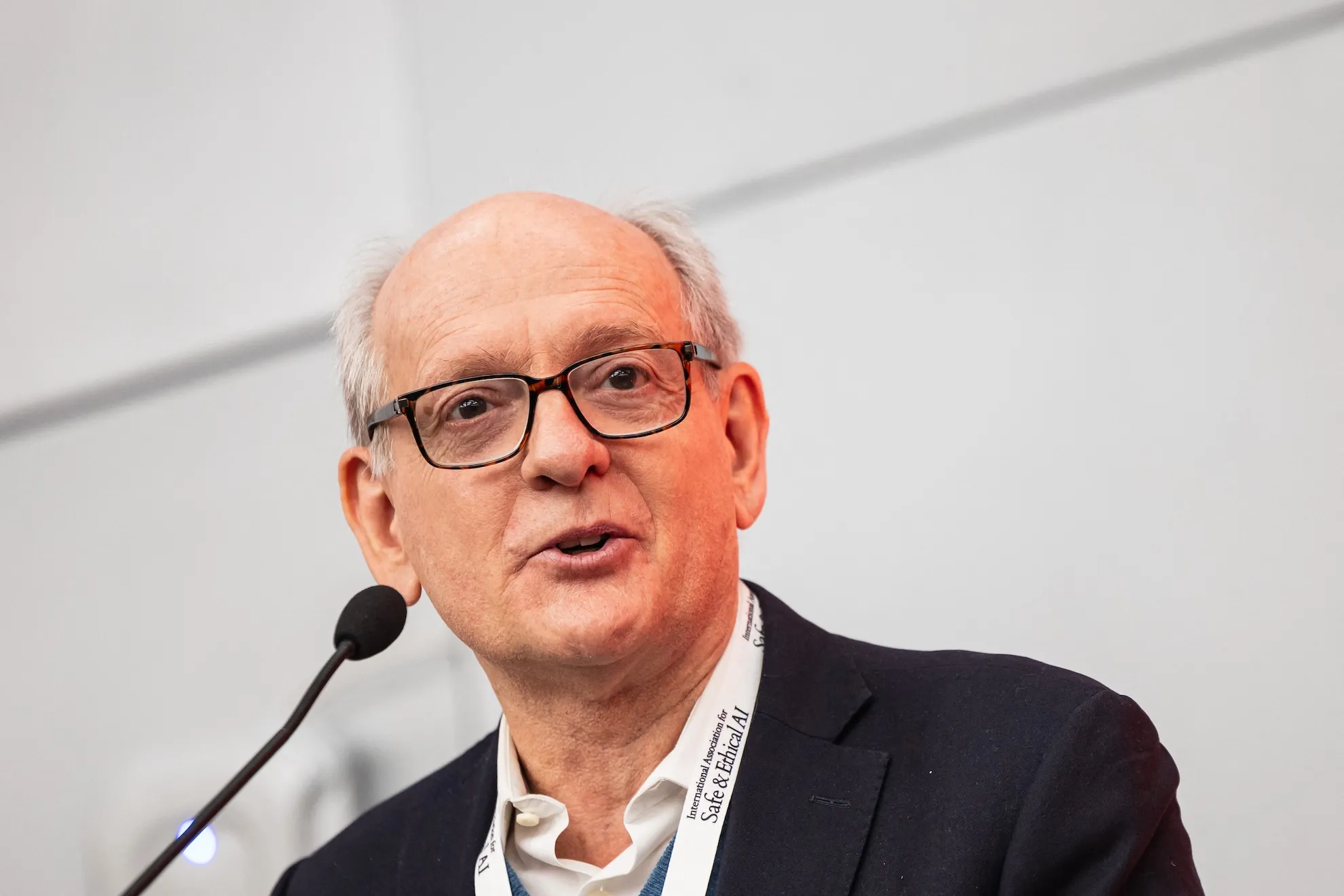
Stuart Russell, a computer science professor at the University of California, Berkeley, has testified as the sole expert witness for Elon Musk in the ongoing OpenAI trial. Russell warned jurors and Judge Yvonne Gonzalez Rodgers of the dangers associated with an unregulated Artificial General Intelligence (AGI) arms race among frontier AI laboratories. He specifically highlighted critical tensions between the rapid pursuit of AGI and the necessity of safety, citing cybersecurity threats and issues of AI misalignment as primary concerns.
Despite the gravity of his warnings, the scope of Russell's evidence was limited by the presiding judge following objections from OpenAI's legal team. The trial has exposed a complex contradiction: while founders of the organisation have strenuously warned about the existential risks of AI, they have simultaneously sought for-profit capital to accelerate development. Russell's testimony underscores how this dynamic, driven by the need for compute spend, has created the very competitive environment he fears.
The witness's appearance in court carries a layer of irony given his past advocacy. Russell previously co-signed an open letter in March 2023 with Elon Musk calling for a six-month pause in AI research. This occurred even as Musk was simultaneously launching xAI, his own for-profit artificial intelligence laboratory. The juxtaposition of these actions illustrates the difficult positioning tech leaders face between cautioning the public and competing in the market.
Beyond the courtroom, the themes raised by Russell are influencing national-level policy debates. Senator Bernie Sanders is currently pushing for legislation that would impose a moratorium on data centre construction. This proposal cites fears regarding AI safety enunciated by Musk, Sam Altman, and Geoffrey Hinton. The legislative push reflects a broader national conversation on whether the warnings from tech billionaires should dictate regulatory frameworks or if they are merely recruited to fill gaps in a precarious argument.
Legal strategists for Musk argue that OpenAI was originally established as a charity focused on safety but lost its way in the pursuit of lucre. Russell's role was to provide background on the technology to support this narrative, establishing that AI is dangerous enough to warrant government restraint. However, OpenAI's attorneys spent their cross-examination establishing that Russell was not directly evaluating the organisation's specific corporate structure or its current safety policies.
As the trial proceeds, the jury and the court will be tasked with weighing the value placed on the relationship between corporate greed and AI safety concerns. The outcome may determine how much weight is given to the warnings of the founding team versus the realities of a market driven by for-profit investors. Ultimately, the proceedings highlight the precarious balance between innovation and the potential for unchecked technological escalation.
