Expanded 48-team format and operational rule changes defined for 2026 FIFA World Cup
The tournament will feature 104 matches across the US, Canada, and Mexico, with a revised tiebreaker hierarchy and mandatory hydration breaks introduced to manage player welfare and game flow.
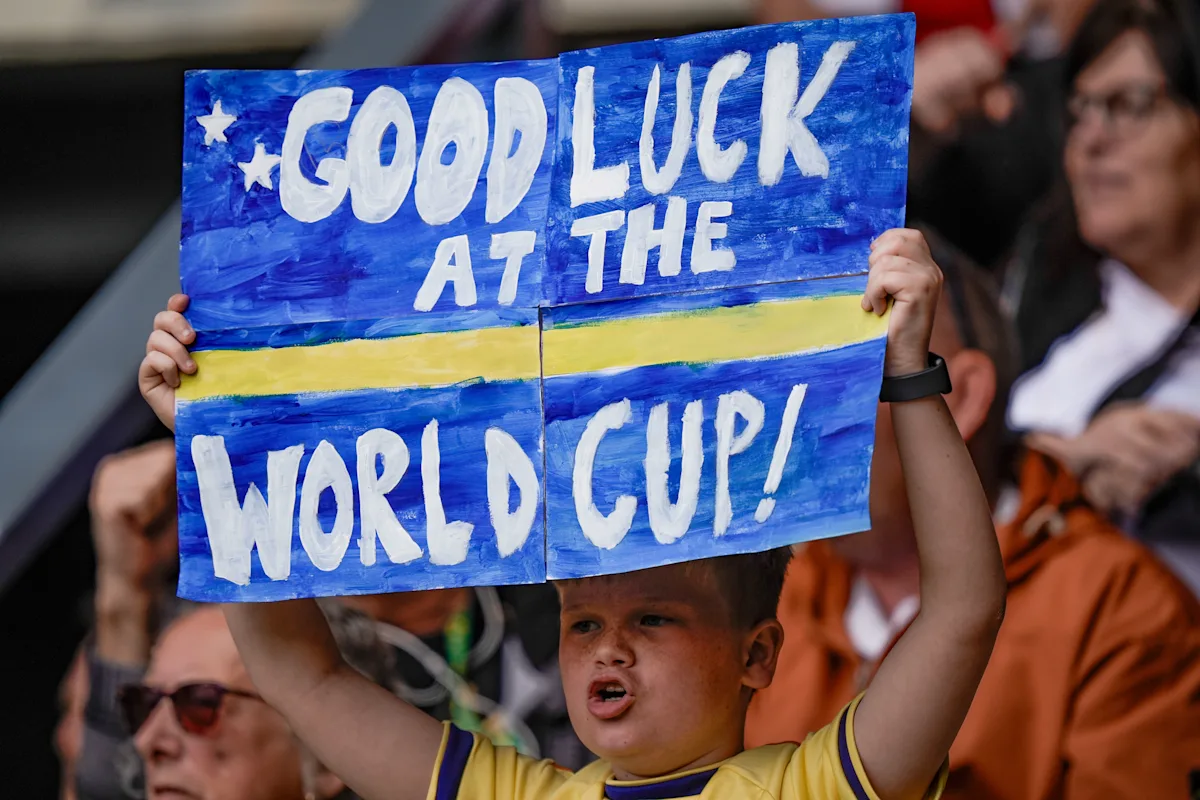
The 2026 FIFA World Cup is set to commence on Thursday, June 11, marking the first men's tournament hosted by the United States since 1994. The event will operate under a tri-nation framework with the United States, Canada, and Mexico serving as co-hosts, expanding the field to 48 teams for the first time in history. This structural shift necessitates a total of 104 matches, a significant increase from the previous 32-team format.
Logistical distribution of venues sees the United States hosting 78 matches across 11 cities, while Canada and Mexico will each host 13 games. The tournament schedule runs from June 11 to June 27 for the group stage, followed by a one-day break on July 8 before the quarterfinals begin. Notably, all matches from the quarterfinal stage onwards, including the final, will be played exclusively within the United States. The championship match is scheduled for Sunday, July 19, at MetLife Stadium in New Jersey.
To address player welfare and game management, FIFA has instituted several operational rule changes. Every match will include a mandatory three-minute hydration break midway through each half to mitigate the effects of hot conditions. Additionally, stricter time limits have been imposed for dead balls, requiring play to restart within five seconds for throw-ins and goal kicks, and substituted players must leave the field within 10 seconds. Medical treatment time is capped at one minute, unless the injury occurred during a carded incident.
Disciplinary protocols have also been tightened to maintain order on the pitch. The regulations stipulate that only the team captain is authorised to approach the referee to protest or question a decision; other players attempting to do so risk receiving a yellow card. The Video Assistant Referee (VAR) will be utilised to review second yellow cards and corner kicks in cases of clear and obvious errors. Furthermore, the tiebreaker hierarchy for group stage standings has been revised, prioritising head-to-head results over goal difference.
Broadcasting arrangements for the United States have been confirmed by rights holders. All 104 matches will be available in English on Fox and FS1, with streaming coverage provided on Fox One. For Spanish-language audiences, 92 games will be broadcast on Telemundo, while the remaining 12 matches, comprising simultaneous group finales, will be shown on Universo.
The tournament features a roster of prominent international stars, including Lionel Messi and Cristiano Ronaldo, who are poised to participate in their sixth and fifth World Cups respectively. Other notable participants include Kylian Mbappé, Harry Kane, and Erling Haaland, representing nations such as France, England, and Norway. The expanded format ensures the presence of most prominent soccer nations, setting the stage for a competitive global contest.