Everton manager David Moyes questions refereeing decisions following 3-3 draw with Manchester City
Referee Michael Oliver upholds Thierno Barry's goal despite offside flag, while VAR review denies a penalty for Merlin Rohl
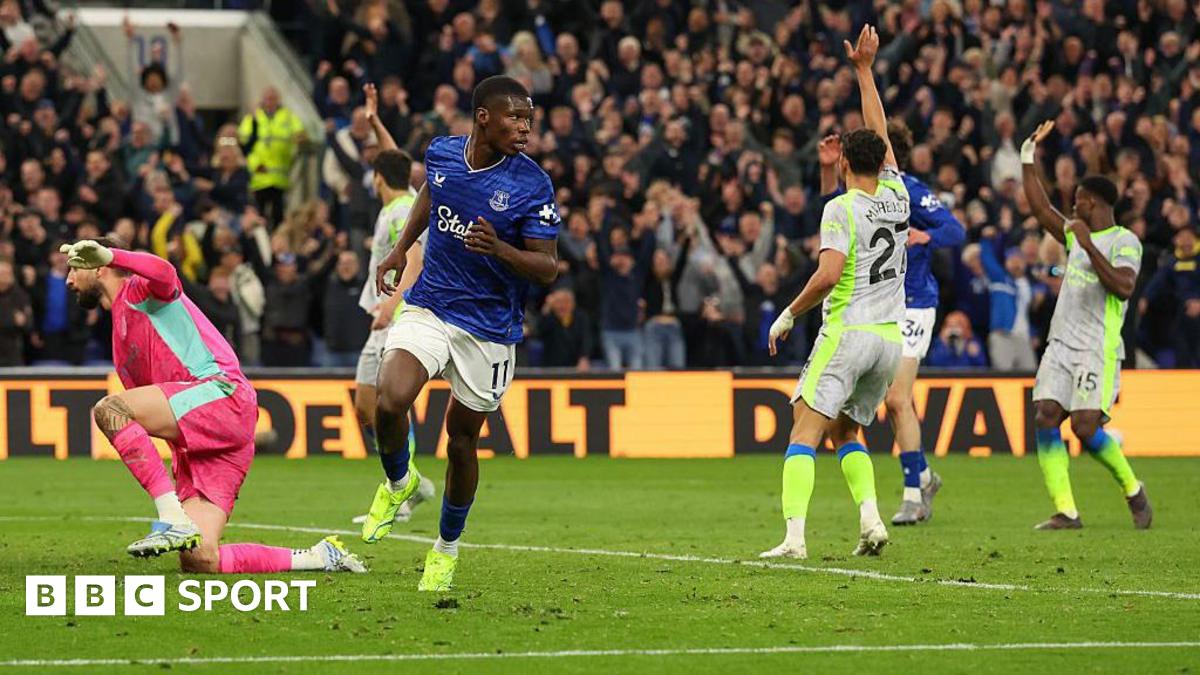
The Premier League fixture between Everton and Manchester City at Hill Dickinson Stadium concluded in a 3-3 draw, overshadowed by significant controversy regarding the application of the offside law and disciplinary decisions. Everton striker Thierno Barry scored a goal that was initially disallowed by the assistant referee for offside but was subsequently upheld by referee Michael Oliver. The final ruling relied on the interpretation that Barry, although in an offside position, did not influence the action of Manchester City defender Marc Guehi, who made the back-pass error that allowed the goal to stand.
Everton manager David Moyes expressed frustration regarding the match officiating, specifically citing a denied penalty for Merlin Rohl following a challenge by Bernardo Silva in the final five minutes. VAR official Paul Howard reviewed the incident but determined that the foul occurred before the ball was in play during a corner routine, meaning no penalty could be awarded. This decision aligns with previous instances where holding actions were deemed to have ceased prior to the restart, though Everton fans argue the infraction continued until the ball was kicked.
Disciplinary action was also taken against Everton defender Michael Keane, who received a yellow card for a challenge on Jeremy Doku. Referee Oliver issued the booking for a low tackle on Doku's boot, a decision that drew scrutiny from former defender Andy Hinchcliffe, who noted the challenge was very close to meeting the criteria for a red card. While the laws allow for a quick treatment period where a player can remain on the pitch after a booking, Doku was required to leave for thirty seconds, a delay he described as unfortunate.
The match highlights the complexities of the current offside law, which penalises a player only if they become involved in active play by interfering with an opponent. In this instance, Oliver ruled that Barry was not placing Guehi under pressure or causing him to rush, thereby negating the offside flag. This subjective judgement contrasts with previous controversial goals, such as Bruno Fernandes' strike against Manchester United and Diogo Jota's goal against Liverpool, where defenders benefited from opponents' errors while offside players were present.
Statistical context surrounding the match underscores the disparity in VAR outcomes across the league. With three rounds remaining, Everton stands as the only Premier League team yet to have a successful VAR intervention go in their favour. This stands in sharp contrast to Chelsea, who have recorded eleven successful interventions, a statistic that has contributed to the sense of frustration felt by the Everton management and supporters regarding the flow of the game.
The outcome leaves questions regarding the fairness of the rules for defenders who may be unaware of an offside opponent's presence, particularly when that opponent influences a defensive error. While the law aims to prevent every player from being penalised merely for their position, the subjective element required to determine involvement in active play continues to generate debate among pundits and managers alike following this high-scoring encounter.