Eurovision 2026: Vienna’s 70th anniversary final proceeds amid boycotts and spectacle
As five nations withdraw in protest of Israel’s participation, The Guardian Culture profiles the 11 entries poised to define the contest’s most turbulent year in decades.
The Eurovision Song Contest 2026 grand final is scheduled for Saturday in Vienna, Austria, marking the event’s 70th anniversary. The buildup has been marred by controversy, with five nations, including Spain, the Netherlands, and Ireland, boycotting the event in protest of Israel's participation. Protests, including chants of "free Palestine," occurred during the first semi-final at the Wiener Stadthalle. Despite the geopolitical tensions, the contest proceeds with 11 highlighted entries, including performances by Australian artist Delta Goodrem, Greek singer Akylas, and Lithuanian drag artist Lion. Boy George's guest vocals for San Marino failed to advance from the semi-finals.
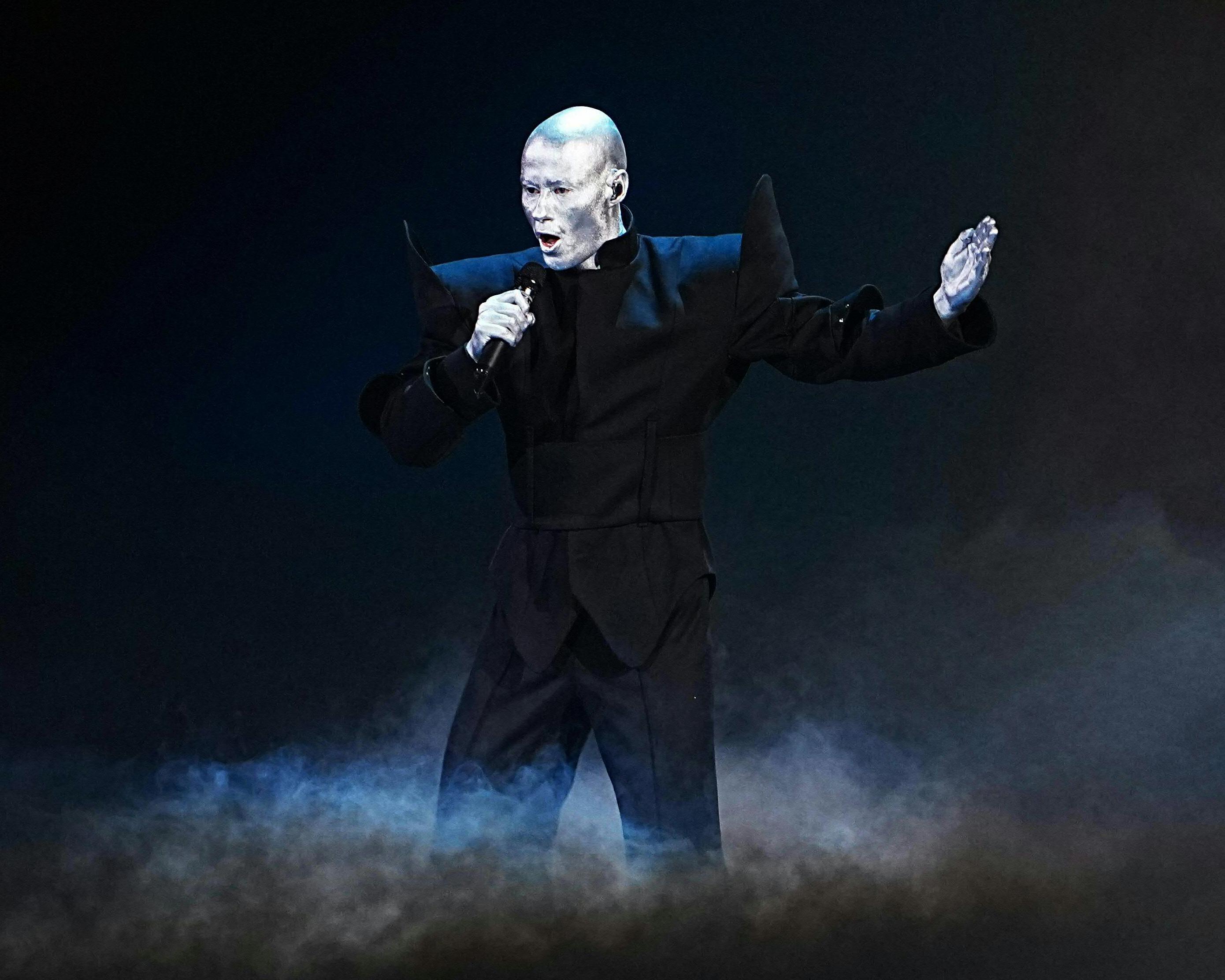
The Guardian Culture has published a preview of the 11 entries expected to dominate the Grand Final. Australian singer Delta Goodrem is performing for Australia, aiming for the nation’s first Eurovision win. Greek entrant Akylas is performing “Ferto,” a track mixing traditional instrumentation with house beats, featuring hyperactive staging including a scooter ride. Lithuanian drag artist Lion is performing a ballad about AI, with staging involving being painted head-to-toe in silver.
Norwegian entrant Jonas Lovv is performing a stomp-rock track compared to 00s indie anthems. Finnish entrant Lampenius is performing “Liekinheitin” (“flamethrower”), featuring a live violin performance with pyrotechnics. UK entrant Look Mum No Computer and Armenian entrant Simón are both performing rock tracks critiquing office culture. French entrant Monroe, aged 17, is performing “Regarde !”, a poperatic epic.
Cypriot entrant Antigoni is performing “More”, a song that has drawn criticism from some public figures in Cyprus. German entrant Engels is performing a pop anthem, noted for her strong social media presence. Bulgarian entrant Dara is performing a club tune with lyrics described as Alanis Morissette-esque. Austrian entrant Cosmó is performing “Tanzschein” (“dance licence”), featuring gorilla and lion props.
The article notes that live instruments have been allowed on stage only twice since 1998, with Lampenius’s performance being the second instance. The article claims the German entry follows a statistical winning formula: solo female, pop song, love-themed lyrics, in English.