European aviation emissions breach pre-pandemic thresholds as low-cost expansion drives sector growth
Thinktank Transport & Environment argues regulatory gaps in long-haul routes undermine decarbonisation efforts, prompting calls to extend the carbon market
Research commissioned by the thinktank Transport & Environment (T&E) has confirmed that aviation emissions across Europe surpassed pre-pandemic levels in 2025. The analysis reveals that total CO₂ emissions from departing flights reached 195 megatonnes, representing a 2% increase on 2019 figures. This rise occurs despite industry pledges to decarbonise and the introduction of more fuel-efficient aircraft.
The surge is largely attributed to the massive expansion of low-cost carriers, which has outpaced the benefits of improved fleet efficiency. Ryanair's carbon footprint specifically rose by 50% compared to 2019, reaching 16.6 megatonnes of CO₂. The airline carried just over 200 million passengers in 2025, up from 140 million in the baseline year, driving the aggregate increase in the sector.
A central point of contention highlighted by the report is the scope of the EU Emissions Trading System (ETS). While the system applies to intra-European flights, long-haul routes remain largely unregulated. This regulatory gap means a significant portion of pollution from high-emission legacy carriers is not priced in. Consequently, airlines operating predominantly within Europe pay higher rates under the scheme than those focusing on international long-haul traffic.
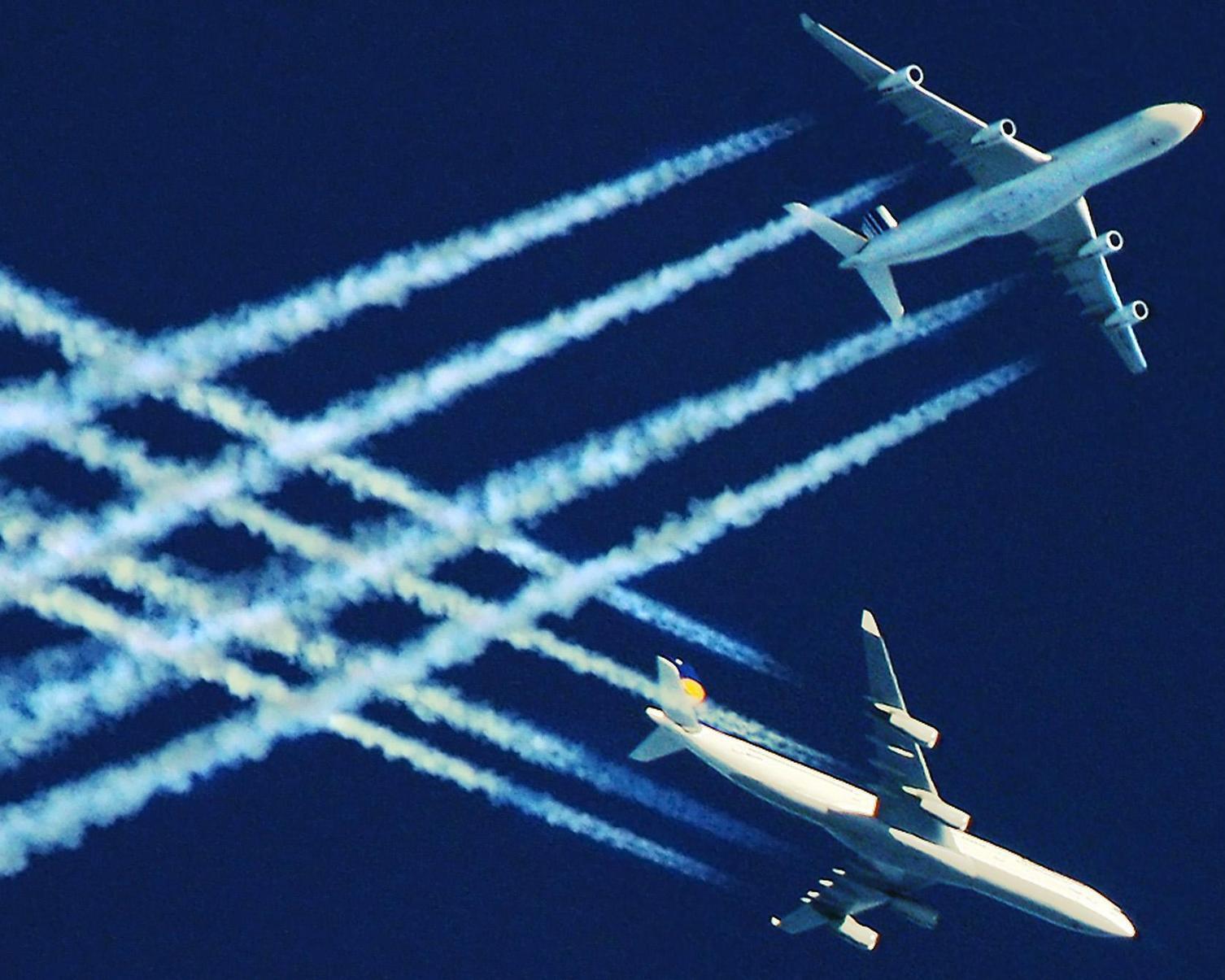
In response to these findings, T&E is calling for the carbon market to be extended to all departing flights. The organisation argues this move would raise public revenue to fund sustainable aviation fuel and measures to mitigate contrails, the plumes of cloud formed by planes that can exacerbate global heating. Giacomo Miele, the author of the analysis, stated that rising ticket prices are driven by Europe's reliance on fossil fuels rather than climate measures.
Ryanair disputes the aggregate figures, arguing the ETS is discriminatory because it taxes only intra-EU flights while exempting high-emission long-haul flights. The airline maintains that when all flights are included, its total emissions rank behind major carriers such as Lufthansa and Air France/KLM. However, Ryanair asserts that its emissions per passenger-kilometre remain the lowest at approximately 64g, attributing its growth to lower fares and new fuel-efficient aircraft.
The report notes that while the aviation industry has lobbied to suspend or weaken ETS requirements during the Middle East crisis, the costs of the carbon market are negligible compared to fuel volatility. Jet fuel prices that have roughly doubled from pre-war levels add significantly more to the cost per passenger than the sustainable aviation fuels mandate, according to the T&E analysis.