Europe averts jet fuel crisis as markets adapt to Hormuz disruption
European aviation markets avoided the physical jet fuel shortages predicted for June 2026 following the effective closure of the Strait of Hormuz in February. The region secured supply through the largest coordinated release of emergency oil reserves in history, increased refinery yields for aviation fuel, and redirected imports from alternative sources.
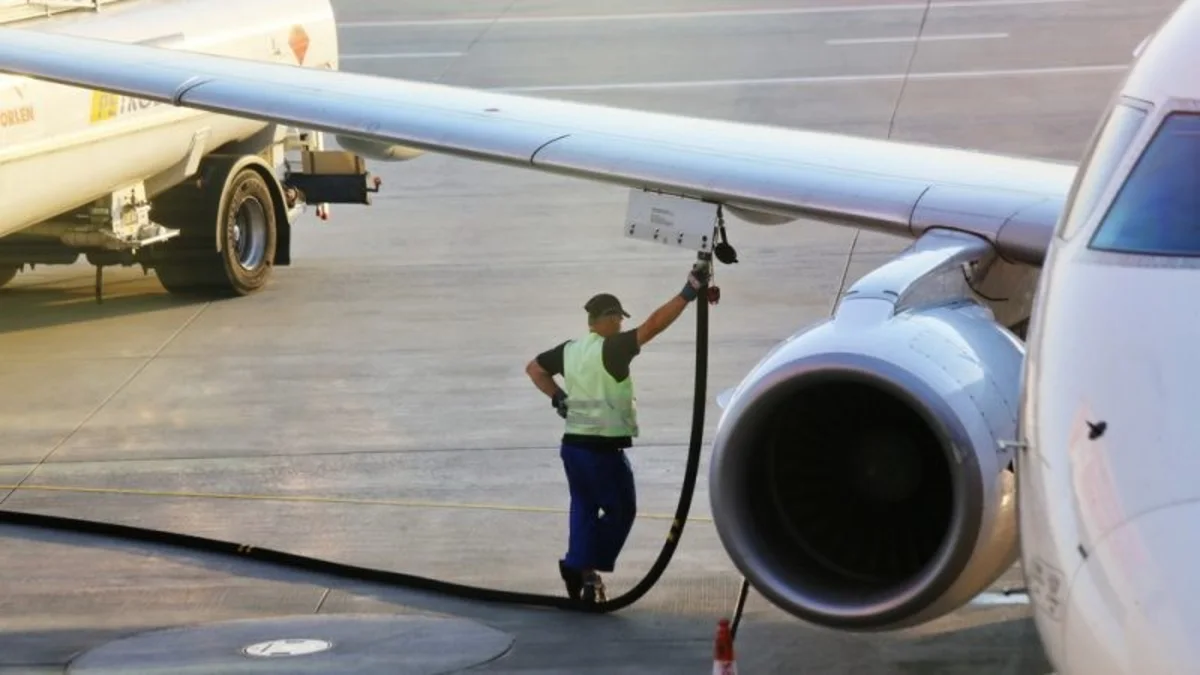
European aviation markets avoided the physical jet fuel shortages predicted for June 2026 following the effective closure of the Strait of Hormuz in February. Despite the International Energy Agency forecasting potential deficits, the region secured supply through the largest coordinated release of emergency oil reserves in history, increased refinery yields for aviation fuel, and redirected imports from alternative sources including the United States, Canada, and Nigeria. The crisis resulted in significantly higher prices and reduced inventory buffers rather than a collapse in supply, demonstrating the adaptability of global energy markets to price shocks.
The International Energy Agency had forecast potential deficits, with warnings that shortages could begin in June if Europe replaced only half of its Gulf imports. The disruption affected a route that had carried nearly 20 million barrels per day of crude oil and petroleum products before the conflict, while Gulf exporters had also supplied a significant share of the world's diesel, jet fuel and liquefied petroleum gas. Europe appeared particularly exposed because it imported far more aviation fuel than it produced and had relied heavily on supplies originating in the Middle East.
The most visible response came from emergency reserves. In March, the 32 members of the International Energy Agency agreed to make 400 million barrels of emergency oil stocks available—the largest coordinated release in the organisation's history. This did not replace every lost barrel from the Gulf, but it created time for commercial supply chains to adjust and reassured refiners that additional feedstock would remain available. Refineries then changed what they produced. European plants increased the share of each barrel converted into aviation fuel, pushing regional jet fuel yields to record levels.
American refiners made a similar adjustment, with US jet fuel production exceeding two million barrels per day on a four-week-average basis for the first time. US exports subsequently reached record highs as European and Asian prices attracted supply across the Atlantic. Alternative producers also redirected cargoes towards the highest-paying markets. Europe imported additional fuel from the United States, Canada, Nigeria, India and South Korea. Saudi Arabia increased shipments from its Red Sea port of Yanbu, allowing fuel to bypass Hormuz altogether.
By early June 2026, European jet fuel inventories were estimated at only around 38 million barrels, offering less than one month of demand coverage. The crisis also exposed regulatory weaknesses, as European rules mandate general oil reserves but do not guarantee adequate stocks of specific products like jet fuel. Concurrently, European diesel markets remained tight due to Russian export restrictions following attacks on its refining sector.
European diesel margins have risen to exceptional levels, while inventories in both Europe and the United States remain below historical averages. The absence of widespread shortages is therefore not evidence that the original vulnerability was imaginary. It demonstrates that the response was effective. The system also remains under pressure.
Europe has passed the original June deadline, but it has not escaped the crisis. It has converted the immediate risk of running out of fuel into a prolonged period of elevated costs and reduced buffers. A second major disruption would therefore begin from a weaker position than the first.