EU unveils tech sovereignty package to bolster domestic AI and semiconductor capacity
The new European Technological Sovereignty Package introduces Chips Act 2.0 and a Cloud and AI Development Act, aligning with member states like France to secure critical digital infrastructure.
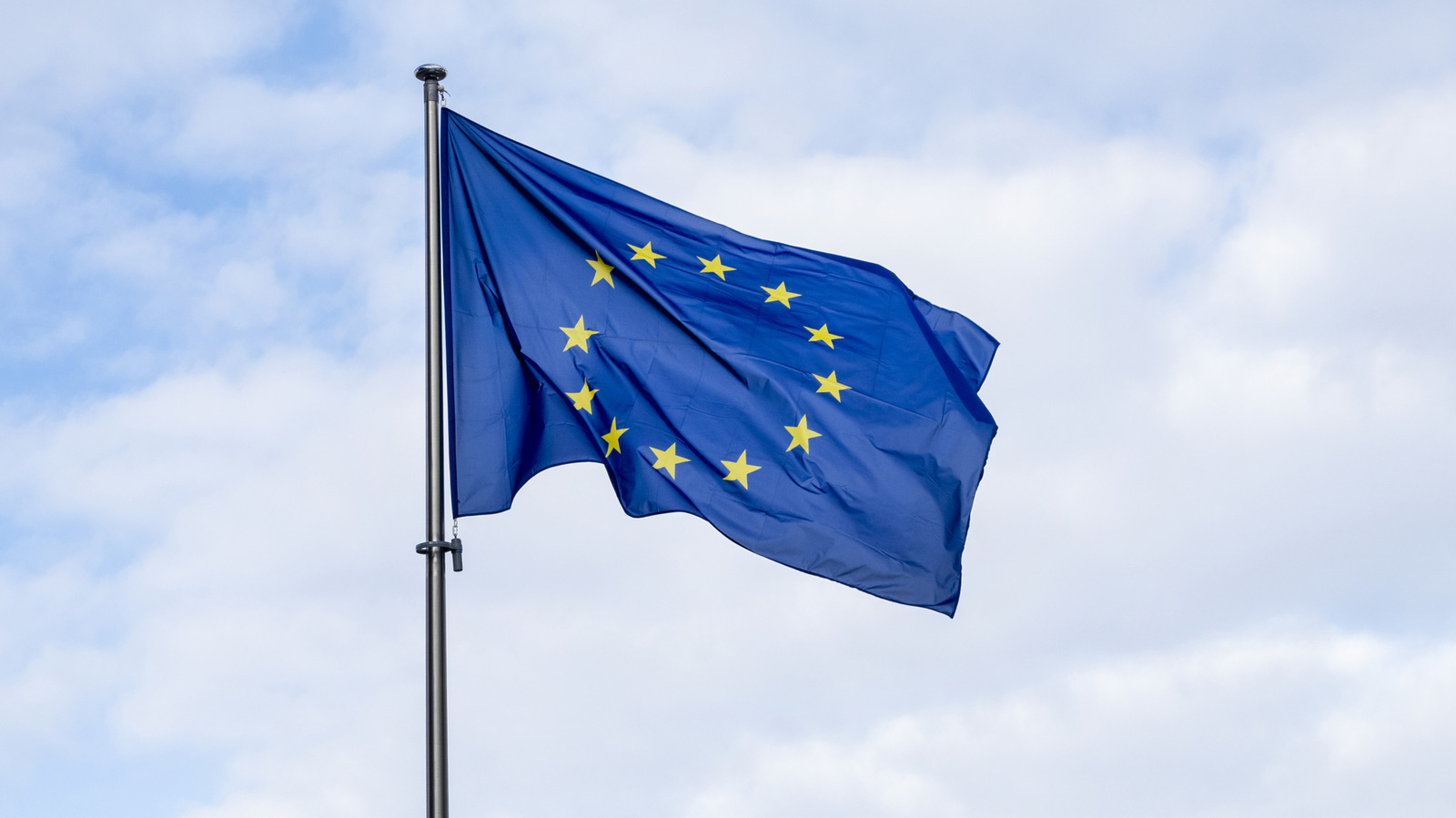
The European Commission has announced the European Technological Sovereignty Package, a legislative suite designed to reduce the bloc’s reliance on foreign technology and strengthen its domestic tech footprint. Commission President Ursula von der Leyen stated that the measures are intended to protect citizens, defend European interests, and ensure technological independence in sectors critical to the economy and public safety. The proposals will now be discussed by the European Parliament and the Council of the European Union, with further consultations planned regarding financing.
The package comprises four key components, starting with Chips Act 2.0, which refreshes 2023 semiconductor legislation to address supply chain vulnerabilities. This updated framework introduces an excellence label for European semiconductor regions and adopts an ecosystem approach to support both AI-related and mainstream chip manufacturing. The EU aims to bring chip manufacturers closer to customers in growth sectors such as data centres and cloud providers.
A central pillar of the initiative is the Cloud and AI Development Act, which reinforces the plan to triple EU data centre capacity within five to seven years. The legislation seeks to streamline deployment conditions and establish a framework for cloud and AI sovereignty to protect sensitive data. It also aims to support research in cutting-edge and sustainable technologies, balancing AI ambitions with climate commitments under the EU’s Apply AI Strategy.
The Commission is also placing significant emphasis on open-source projects in high-growth sectors such as AI and cybersecurity. The EU intends to support open-source startups and invest in skills development, amplifying initiatives like the Open Internet Stack. This shift reflects a broader trend among member states, particularly France, to adopt domestic and open-source alternatives to US and Chinese technology.
The final component is the Strategic Roadmap for Digitalisation and AI in the Energy Sector, which focuses on cooperation between energy and digital sectors to ensure sustainable data centre integration. The roadmap encourages the use of AI models trained on European data to improve electricity infrastructure and supports a faster rollout of smart meters. Throughout 2026, member states have increasingly moved away from overreliance on foreign tech, with France planning to switch civil service departments to home-grown solutions and the European Parliament exploring alternatives to Google search services.
