EU officials rule out special terms for UK rejoining bloc
Veterans of the withdrawal process warn that British exceptionalism is over and that any application for re-entry must be grounded in a durable national consensus.
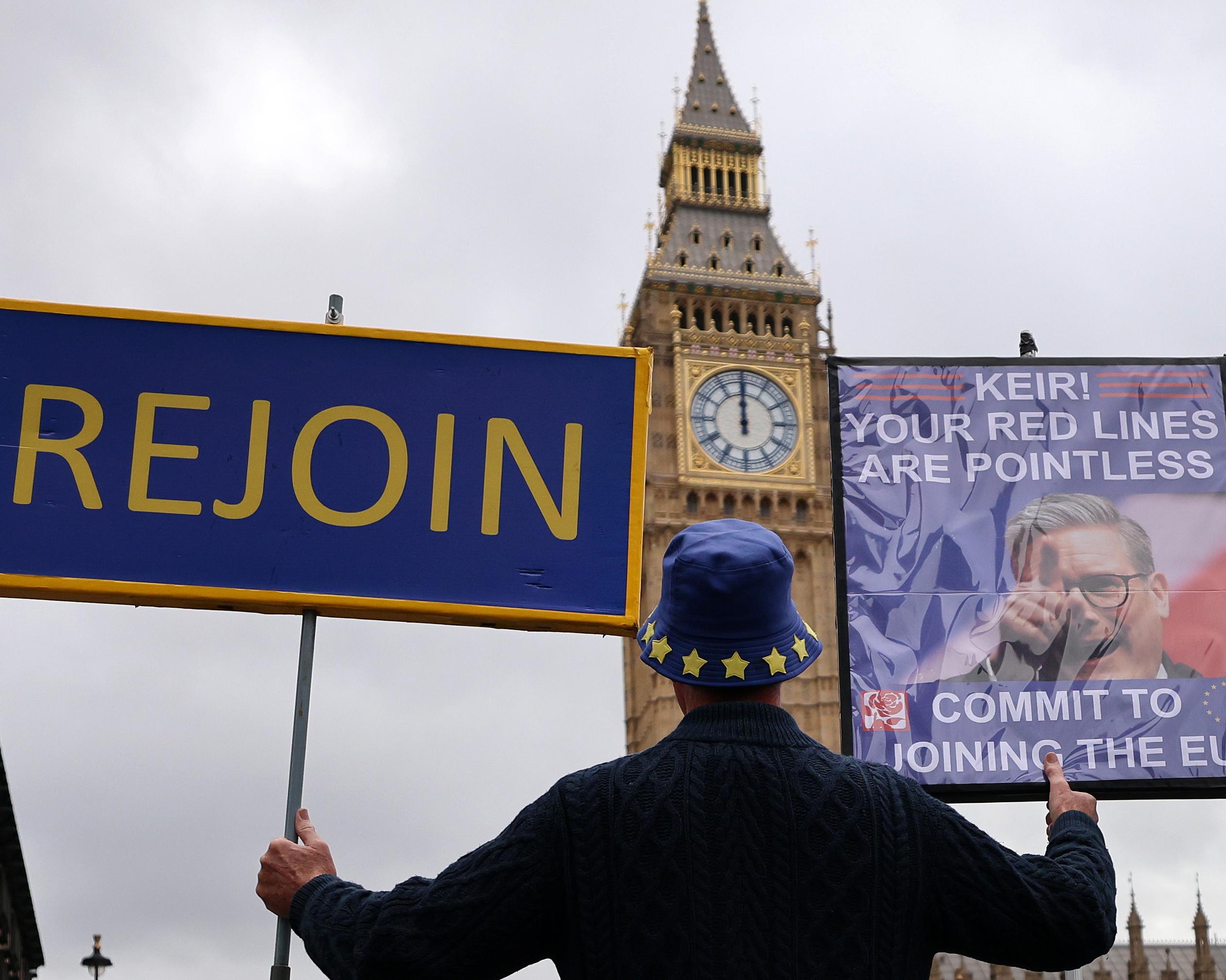
Former European Union Brexit officials have firmly stated that the United Kingdom would not be granted a tailor-made deal should it seek to rejoin the bloc, insisting that membership would be conducted on standard terms. While acknowledging a warm and welcoming stance from member states, officials warned of a hard-headed approach, noting that the UK’s previous opt-outs from the single currency and Schengen zone, along with budget rebates, would not be reinstated.
Georg Riekeles, a former adviser on the EU’s Brexit taskforce, said he expected member states to take a very warm and welcoming stance but also a hard-headed one to a British membership application. He noted that while there is a strategic need for the EU and the UK to work together, there is no appetite for opening up new decades of British exceptionalism. The price of re-entry, he said, would be membership on normal terms.
Sandro Gozi, Italy’s former Europe minister and current member of the European parliament, confirmed that negotiations would start with standard terms. He stated that the tailor-made suit is gone and that the negotiation of the UK should tackle all the issues which are foreseen for any candidate. Gozi predicted that EU member states would welcome a British application to rejoin, despite the uncertainty of a possible Nigel Farage premiership.
Wes Streeting, the former health secretary, argued over the weekend that the UK should rejoin the EU in the future, a comment that has reignited rifts within the ruling Labour party. Andy Burnham, the Greater Manchester mayor, who is seeking a return to Westminster to challenge the prime minister, has previously said he wants Britain to rejoin the bloc within his lifetime. However, on Monday he clarified that he would not try to make that happen if he became prime minister in the short term.
Poland’s foreign minister, Radosław Sikorski, has also warned Britain not to expect a similar deal to its de-facto à la carte membership of the past. He said British elites needed to internalise the fundamental European deal that you get more benefits in return for pooling of some aspects of sovereignty. An application from the UK, a former member that went through a bitter divorce, was also regarded as unlike any other.
Riekeles, now an associate director at the European Policy Centre, said many in European capitals and Brussels were welcoming the spirit and signals from the UK but stressed this was a long way from a formal process. He said the EU would need to see a durable national consensus that the UK has really changed its mind. The EU can work with a UK that knows what it wants, he said, but struggles with a UK that wants the benefits of integration while keeping the politics of separation.
The European Commission’s chief spokesperson, Paula Pinho, declined to comment on potential negotiating terms. Referring to an upcoming EU-UK summit, widely expected in early July, she said there are discussions on closer cooperation on a number of areas. That is where we are and that is also what we are doing, precisely in preparation of the next summit, rather than speculating about big, new or renewed issues.