EU funds Polar Connect to bypass Middle East internet choke points
The European Union has designated the project a Cable Project of European Interest and allocated €9 million for preparatory work, though industry experts warn of significant technical hurdles regarding ice conditions and maintenance.
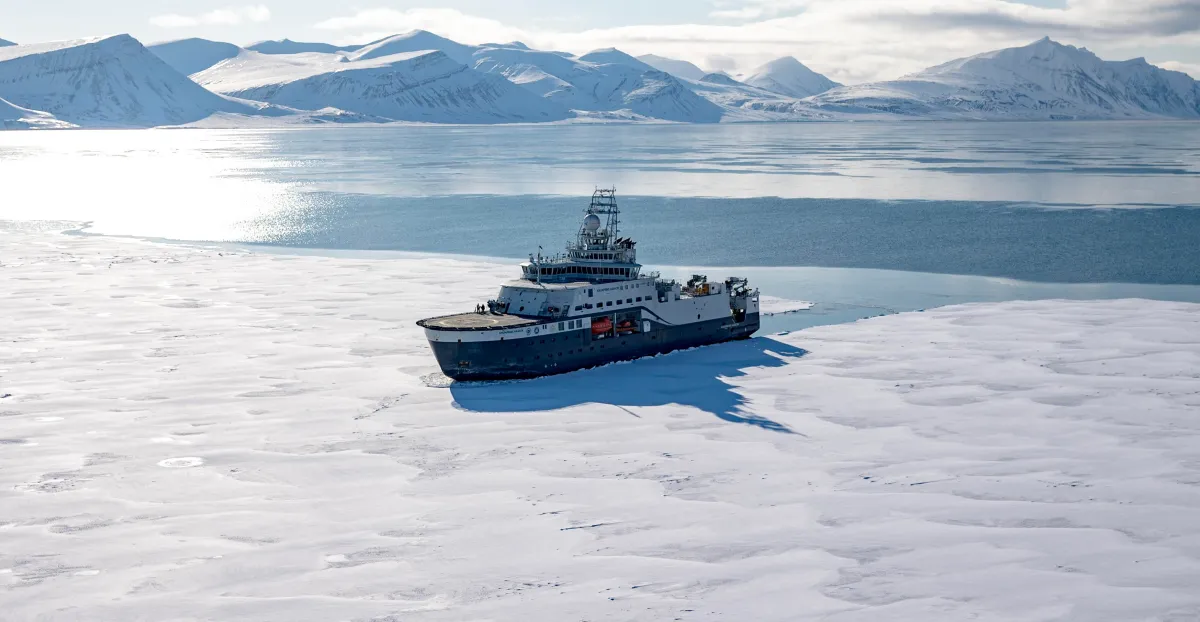
Conflict in the Middle East, specifically disruptions in the Red Sea and Persian Gulf, has prompted the European Union to fund planning for a new submarine internet cable across the North Pole. The initiative, named Polar Connect, aims to connect Scandinavia to Asia via the Arctic to reduce reliance on vulnerable southern routes where ninety per cent of Europe's internet traffic currently passes.
The European Union has designated the Polar Connect project as a Cable Project of European Interest and committed approximately €9 million toward preparatory work, with an estimated total cost of around €2 billion. The project is led by Nordic academic-network operators, Sweden's polar research agency, and the telecom firm GlobalConnect Carrier. A route survey is planned for this summer, with the goal of the cable going live by 2030.
Industry experts note that while the project started before recent unrest, the geopolitical situation has significantly increased interest in finding alternate routes. The vast majority of the world's data is carried by fibre optic cables that converge at narrow choke points; currently, ninety per cent of Europe's internet traffic passes through the Red Sea. Recent conflicts have caused severe disruptions, including a Houthi missile strike in 2024 that dragged an anchor across three submarine cables and four other cables severed last September.
Repairing these cables is difficult in war zones due to the need for delicate splicing work and the difficulty of brokering agreements for repair ships. Previous attempts to build an Arctic cable have also faced failure. The most recent attempt, Quintillion, saw a portion of the cable broken by sea ice in June 2023 and struck by an iceberg in January 2024, preventing repairs for eight months and leaving the rest of the route unfinished.
Other alternatives, such as overland routes through Syria, Iraq, and Oman, are being considered by Gulf states, but the Polar Connect route aims to provide a direct link across the North Pole. Roderick Beck, a cable industry veteran, highlighted that while the EU views the project through the lens of data sovereignty, the enormous expense and lack of precedent make it a significant financial undertaking.
Despite the challenges, Pär Jansson, Senior Vice President at GlobalConnect, believes the new geopolitical situation and emerging technologies will make the project feasible. He noted that tech companies building data centres in Nordic countries will require fast and resilient connectivity, ultimately necessitating public investment to realise the goal of a live link by 2030.