EU digital chief warns AI is evolving into geopolitical weapon
The European Union’s digital chief has cautioned that artificial intelligence is increasingly being weaponised for geopolitical ends, calling for Europe to reduce its dependence on unpredictable US policy for critical capabilities.
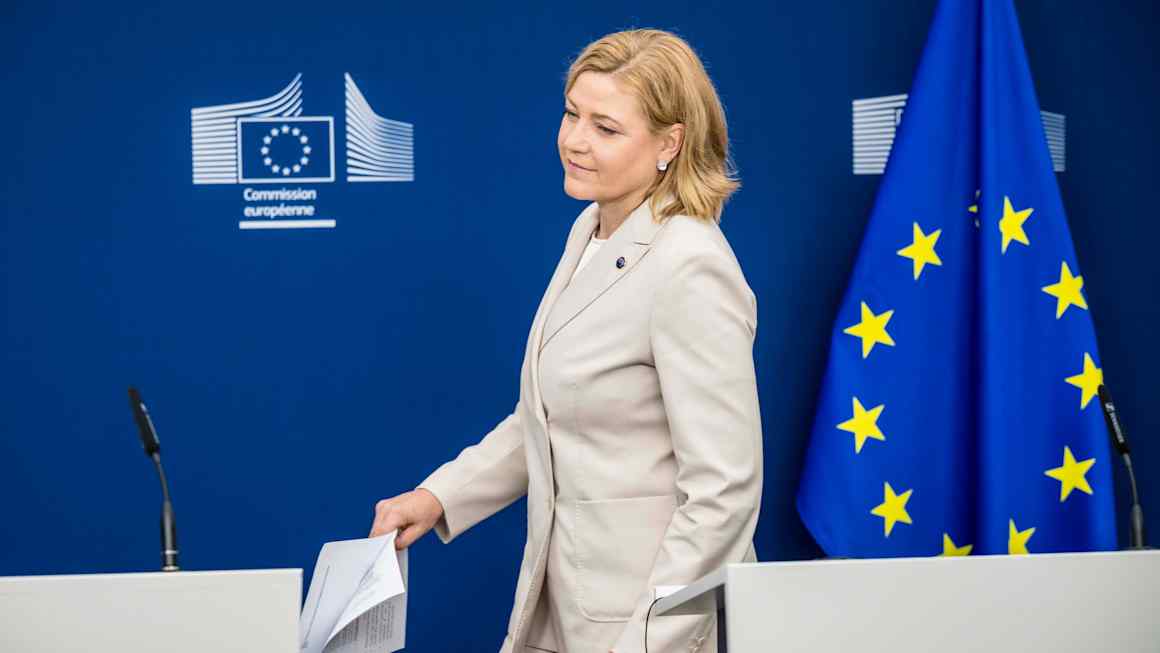
Henna Virkkunen, the European Union’s digital chief, has issued a stark warning regarding the trajectory of artificial intelligence, describing the technology as an emerging geopolitical weapon. Speaking to the Financial Times, Virkkunen emphasised that the rapid evolution of AI capabilities is fundamentally altering the landscape of international power dynamics, necessitating a recalibration of European strategy.
Central to her assessment is the assertion that Europe must avoid relying on Washington for its strategic capabilities. Virkkunen characterised the United States as unpredictable in this context, suggesting that over-dependence on American policy and infrastructure poses a significant risk to European security and autonomy. This stance reflects growing concerns within EU circles regarding the reliability of transatlantic ties in the face of shifting political priorities in the US.
The warning underscores a broader debate within the European Union about the need for strategic autonomy. As AI technologies become more integral to defence, economic competitiveness, and statecraft, European policymakers are increasingly scrutinising their reliance on external powers for critical technological foundations. Virkkunen’s comments highlight the urgency of developing indigenous capabilities to mitigate risks associated with foreign policy volatility.
While the specific nature of the unpredictability in Washington was not detailed in the report, the implication is clear: Europe cannot afford to cede control over strategic assets to a partner whose political trajectory may shift abruptly. This perspective aligns with ongoing efforts by EU institutions to bolster its own technological sovereignty and reduce vulnerabilities in key sectors such as semiconductors, data infrastructure, and advanced computing.
The intervention by the EU’s digital chief adds weight to the argument that AI is no longer solely a domain of commercial innovation but a critical instrument of state power. As nations compete for dominance in this field, the potential for AI to be utilised as a weapon of influence or coercion is becoming a central concern for policymakers across the globe, particularly those in Europe seeking to navigate an increasingly fragmented geopolitical environment.