Ethics experts question FCC commissioners’ impartiality after accepting Paramount gala tickets
ProPublica reports that Commissioners Brendan Carr and Olivia Trusty received expensive tickets from Paramount Global while the company sought approval for an $8 billion merger with Skydance Media and a subsequent $110 billion hostile takeover of Warner Bros. Discovery.
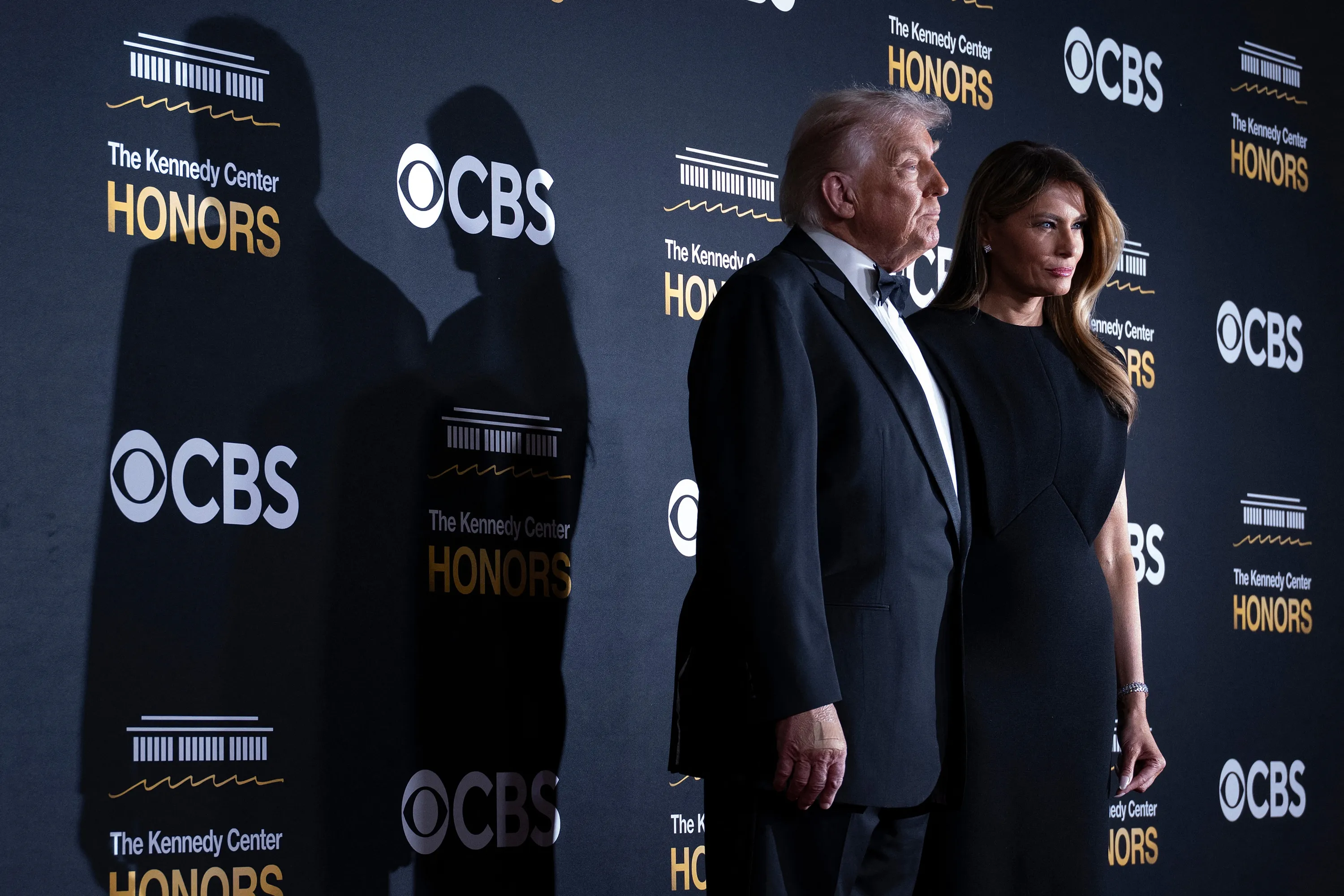
Ethics experts have raised serious concerns regarding the impartiality of Federal Communications Commission (FCC) Commissioners Brendan Carr and Olivia Trusty after it was revealed they accepted expensive gifts from Paramount Global while the company sought regulatory approval for major media mergers. According to records obtained by ProPublica, Commissioner Trusty received tickets to the Kennedy Center Honours gala worth more than $12,000, while Chair Carr attended with his wife in a private skybox valued at $125,000 per ticket.
The gifts were accepted as Paramount pursued an $8 billion merger with Skydance Media and a subsequent $110 billion hostile takeover of Warner Bros. Discovery. Federal ethics rules prohibit regulators from accepting gifts from entities that are regulated by or seek official action from their agency. Experts argue that by accepting these premium tickets, the commissioners compromised the FCC’s impartiality and should have recused themselves from decisions affecting the media conglomerate.
Commissioner Trusty cast a decisive vote approving the Skydance merger five months before attending the gala. Chair Carr, who had previously accused CBS of biased election coverage and set conditions for the merger’s approval, sat in the skybox with Paramount CEO David Ellison and other executives. Carr has accepted tickets from CBS or its parent company at least seven times since his 2017 appointment, totaling over $63,000 in gifts, according to his past financial disclosures.
Walter Shaub, who led the federal Office of Government Ethics from 2013 to 2017, stated that no top federal regulator should accept gifts from a regulated company with interests that will foreseeably affect their work. He described the appearance of such gifts as terrible and damaging to public trust. Virginia Canter, a former White House ethics lawyer, called the situation shocking and disturbing, noting that the commissioners’ participation in the matter without recusal would damage the integrity of the government’s decision-making process.
The FCC has defended the attendance of its members at the event, stating that agency ethics officers have consistently cleared commissioner appearances as consistent with ethics law. An FCC spokesperson noted that chairs and officials have attended the same event in the same ways across multiple administrations. However, ethics experts rejected this justification, with Shaub calling it outrageous and noting that a long-standing habit of gift-taking does not excuse violations of federal rules.
Paramount’s chief communications officer described the invitations as a decades-long practice by CBS to invite government officials from both parties to the show. She did not address whether the tickets posed a conflict of interest or why the practice continued under new ownership. Neither Carr nor Trusty responded to requests for comment, while Commissioner Anna Gomez, who voted against the merger, stated she followed agency advice when attending in previous years but declined the recent invitation due to concerns about press independence.
The ongoing FCC review of the merger is one of the final hurdles for a consolidation that would unite Paramount Skydance with Warner Bros. Discovery, creating a megacorporation controlling major streaming services, broadcast channels, and cable networks. The deal faces fierce opposition, including a lawsuit from 11 Democratic states and an open letter from thousands of entertainment workers. The FCC currently has only three commissioners, and any recusal could leave the panel unable to reach a quorum for a vote.