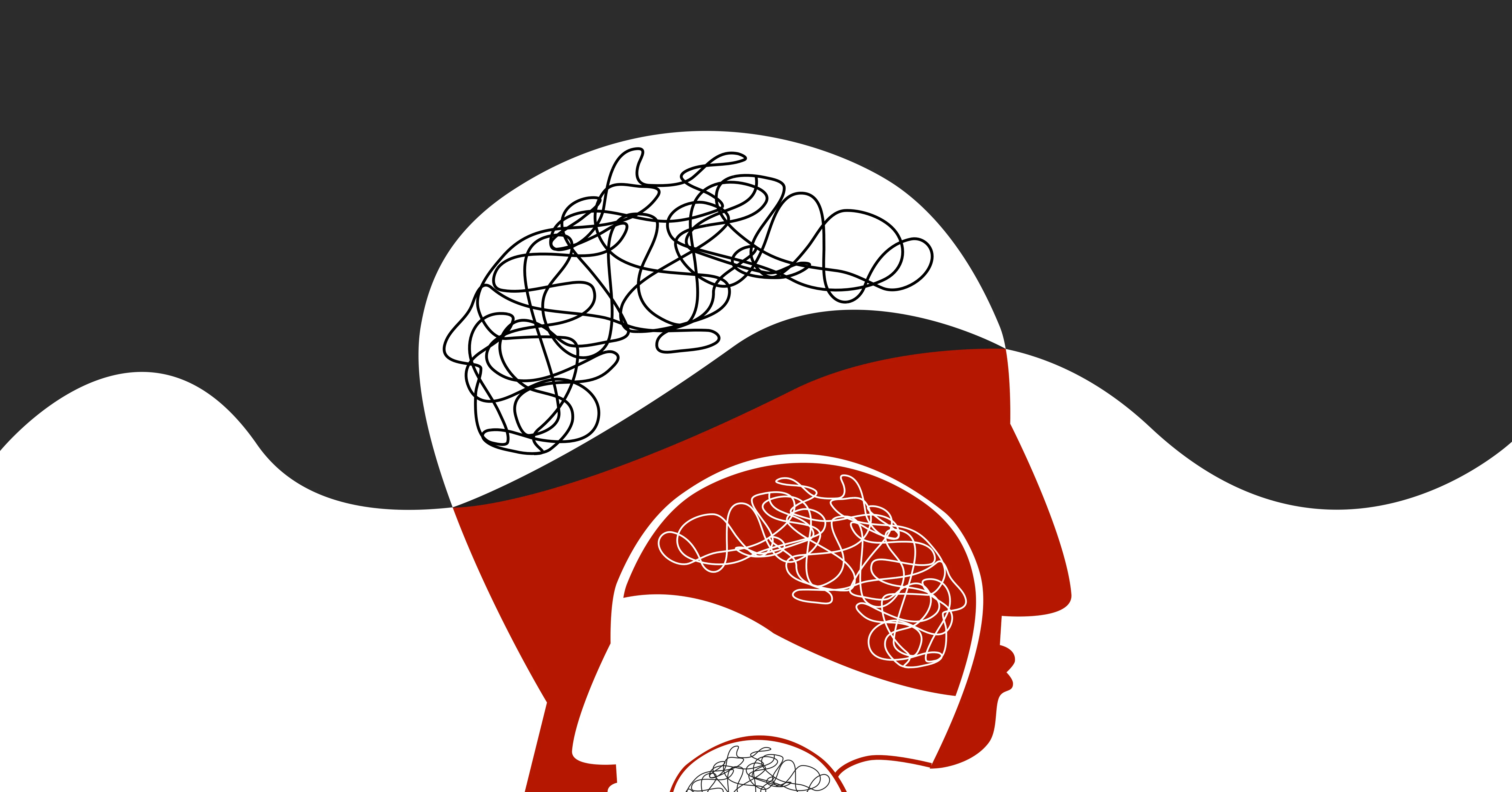
Essay challenges boolean logic as tool for authoritarian thinking
A recent essay published on the Abuse of Notation website contends that rigid boolean logic fosters dichotomous reasoning and mirrors the control mechanisms of authoritarian regimes, advocating instead for intuitionistic logic.
An essay titled "The case against boolean logic", published on the Abuse of Notation website, argues that classical boolean logic is inadequate for describing the real world. The author contends that truth is context-dependent and that rigid boolean thinking leads to dichotomous or black-and-white reasoning. The text advocates for intuitionistic or constructive logic as a more suitable framework, as it prioritises proofs and explicitly acknowledges context.
The author draws parallels between boolean logic and authoritarian political doctrines, suggesting that such rigid thinking patterns are utilised in propaganda to control conclusions by controlling premises. The essay posits that boolean logic assumes a universal context, a condition that does not exist in reality, and that forcing statements into a true or false binary overlooks the complexity of human experience and logical frameworks.
Intuitionistic logic is presented as a superior alternative, tying truth to the existence of a proof or construction rather than abstract true or false values. This approach requires identifying the specific set of premises or axioms from which a statement is derived, allowing multiple frameworks to coexist without diminishing one another. The author notes that this logic is already relevant in fields such as programming, where it forms the basis of proof assistants.
The text references Gödel’s theorem to support the claim that logical frameworks are inherently incomplete, although the author notes this reference is omitted from the main text to avoid cliché. The essay suggests that the belief in a single, all-encompassing logical truth is an instance of the "is-ought fallacy", where the desirability of a universal truth is mistaken for its actual existence.
The discussion originated from comments on Hacker News, where the article has been debated. The author recommends their book, Category Theory Illustrated, for further reading on intuitionistic logic and concludes that recognising the relativity of all thinking frees individuals from what they describe as a "boolean prison".