ESPN analyst defends 'Life Alert' segment amid SGA controversy
The NBA analyst argues critics are attacking the messenger rather than engaging with the substance of his commentary on Shai Gilgeous-Alexander’s playing style.
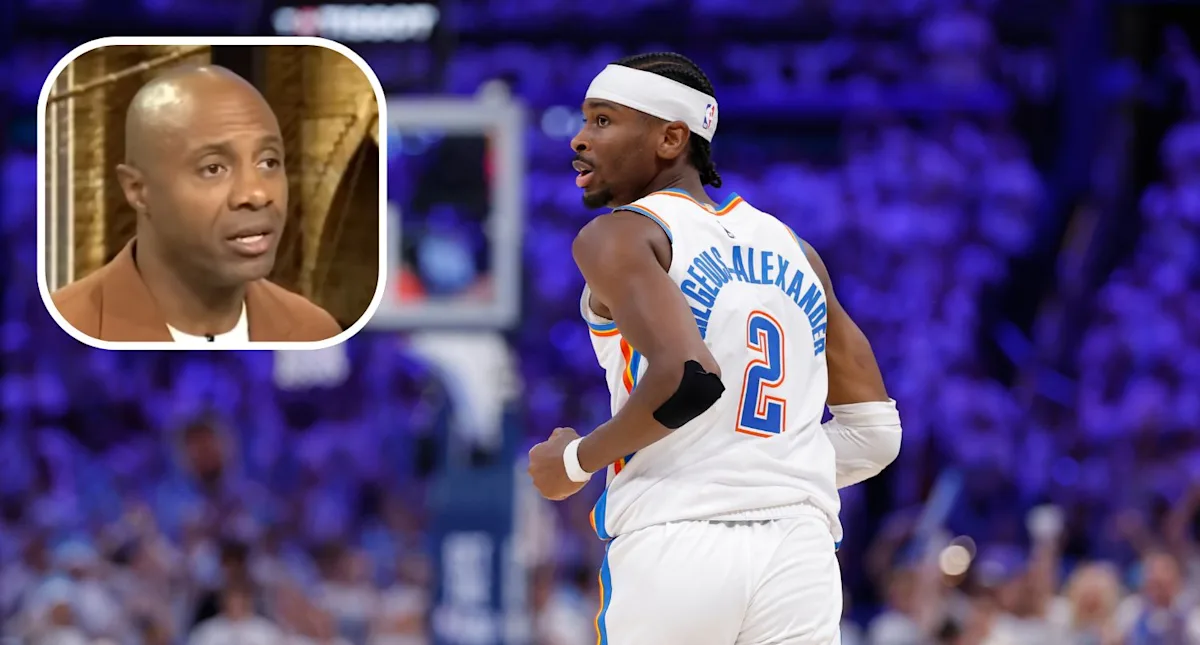
ESPN NBA analyst Jay Williams has issued a robust defence of a recent segment on the network’s *Get Up* programme, following significant criticism regarding its focus on Oklahoma City Thunder player Shai Gilgeous-Alexander. The segment, titled “Life Alert with SGA,” highlighted the two-time NBA MVP’s alleged tendency to flop, drawing sharp rebuke from fans and media observers who accused Williams of launching a personal attack rather than offering constructive analysis.
The controversy intensified during the 2026 NBA playoffs, as the Thunder stood one game away from returning to the NBA Finals with a chance to repeat as champions. Gilgeous-Alexander had recently secured his second consecutive MVP award, cementing his status as a premier player. However, Williams had previously stated he found it difficult to root for the Thunder due to their style of play, specifically citing Gilgeous-Alexander’s falling motions. He argued that the team’s approach undermined respect for the game, noting that every time the player shoots, he appears to land in an opponent’s region.
Tensions on set escalated when co-host Michael Wilbon suggested that if the Thunder won another title, children across America might begin learning to flop. Williams mockingly walked off the set in response. The following day, he led the “Life Alert” segment, which compiled clips of the player hitting the ground, further fueling accusations that the coverage was biased and overly critical.
In response to the backlash, Williams took to social media platform X to argue that detractors were engaging in ad hominem attacks. “One thing I’ve learned in sports, business, and media: when people can’t attack the argument, they attack the messenger,” he wrote on May 30, 2026. He pointed out that the conversation had shifted to his professional résumé rather than the substance of his critique, suggesting this was a sign that the actual point was no longer being discussed.
Williams also accused critics of hypocrisy for isolating a single 90-second clip while ignoring the broader context of the Thunder’s dominance. He stated that ESPN had spent far more time discussing Gilgeous-Alexander’s greatness and the team’s performance than the controversial segment. He noted that while the algorithm rewarded the clip, it did not make it representative of the full body of work produced by the network.
Media watchdogs, including Awful Announcing, observed that the controversy overshadowed more substantive discussions regarding the Thunder-San Antonio Spurs series. Despite Williams’ insistence that the segment was a minor part of a larger narrative, the perception of bias remains a significant point of contention as the playoffs continue.