Environmentalists rally against Trump administration’s coal ash regulation rollbacks
Proposed US Environmental Protection Agency rules would shift oversight to states and exempt storage sites, sparking fierce opposition from advocates who cite cancer risks and the 2008 Kingston spill.
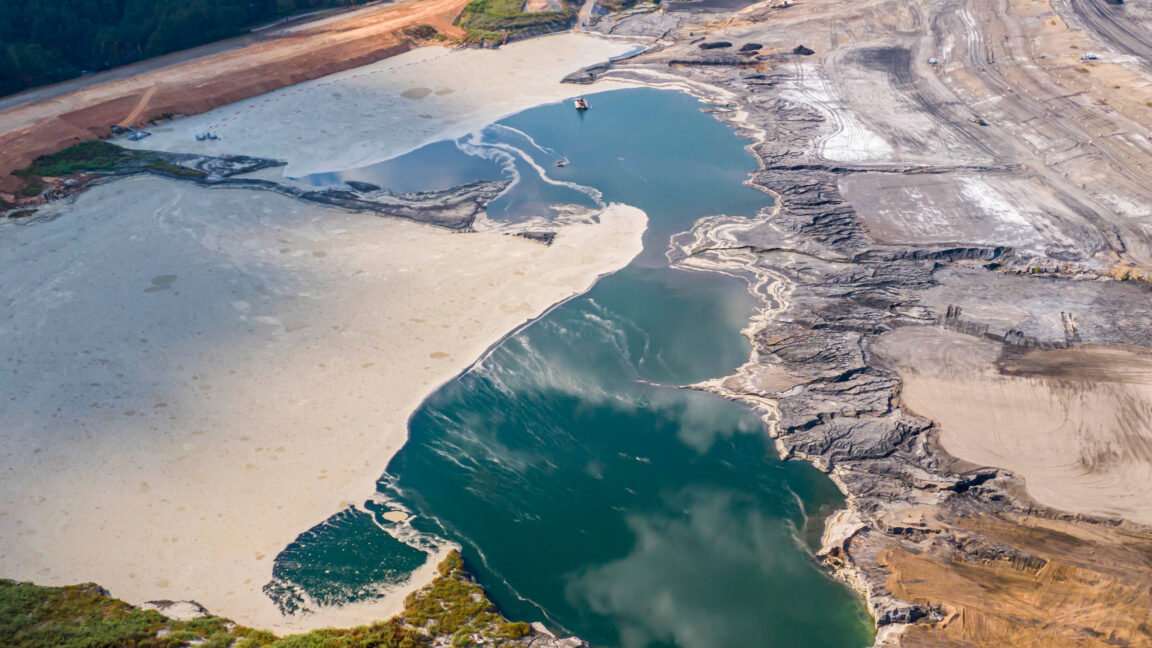
Environmental advocates mobilised in force during a virtual public comment hearing hosted by the US Environmental Protection Agency, voicing strong opposition to proposed regulations that would significantly weaken federal requirements for cleaning up toxic coal ash residue. The Trump administration’s plan seeks to repeal a 2024 Biden-era rule that mandated monitoring of coal ash sites at inactive plants and loosened groundwater protection standards. Under the new proposal, regulatory authority would shift from the federal government to individual states, allowing facilities to potentially bypass national standards and exempting storage sites from regulation entirely.
Lisa Evans, senior counsel at Earthjustice and a former EPA attorney, condemned the move, stating that the administration had jeopardised the nation’s drinking water supplies as a favour to polluters. The proposed rule would permit coal-fired power plant owners to minimise, delay, or avoid dealing with coal ash at their facilities. This residue, known as coal combustion residuals, contains potentially toxic levels of substances such as mercury, arsenic, and lead, all of which are associated with serious human health problems, including cancer.
Industry groups have welcomed the changes, arguing they promote the beneficial use of coal ash as a mineral resource. John Ward of the American Coal Ash Association described the move as the right direction, calling coal ash an underutilised domestic resource. Leah Pilconis of the American Cement Association supported the redefinition of coal ash for cement manufacturing not as industrial waste but as part of the production process, noting that supply declines could improve access to legacy residue for construction materials like cement and drywall.
However, environmentalists and researchers cited extensive evidence of health risks and environmental hazards. A 2022 study by Earthjustice found that more than 90 percent of coal power plants across America were contaminating groundwater via coal ash residues. Jennifer Cassel of Earthjustice warned that water near coal ash becomes thick with pollution, exacerbated by climate change-induced rain and hurricanes. Kristina Zierold, a professor at the University of Mississippi, presented research indicating that children exposed to coal ash are more likely to suffer from depression and have poorer school performance, with potential cascading effects into adulthood.
The 2008 Kingston Fossil Plant spill in Tennessee was frequently referenced as a cautionary tale of the dangers associated with reduced federal oversight. Brianna Knisley of Appalachian Voices highlighted the disaster, where 900 workers were denied protective gear and exposed to toxic dust, resulting in dozens of deaths and widespread illness. Knisley argued that leaving management to states and utilities fails to keep communities safe, describing areas like those near the Cumberland Fossil Plant as sacrifice zones where toxic ash is piled behind public playgrounds.
