Enhanced Games: Silicon Valley’s $1.2 Billion Bet on Peptides and Performance
Backed by Peter Thiel and Balaji Srinivasan, the Enhanced Games serve as a high-profile launchpad for a company selling personalised health treatments, raising questions about the intersection of biohacking, capital markets, and athletic regulation.
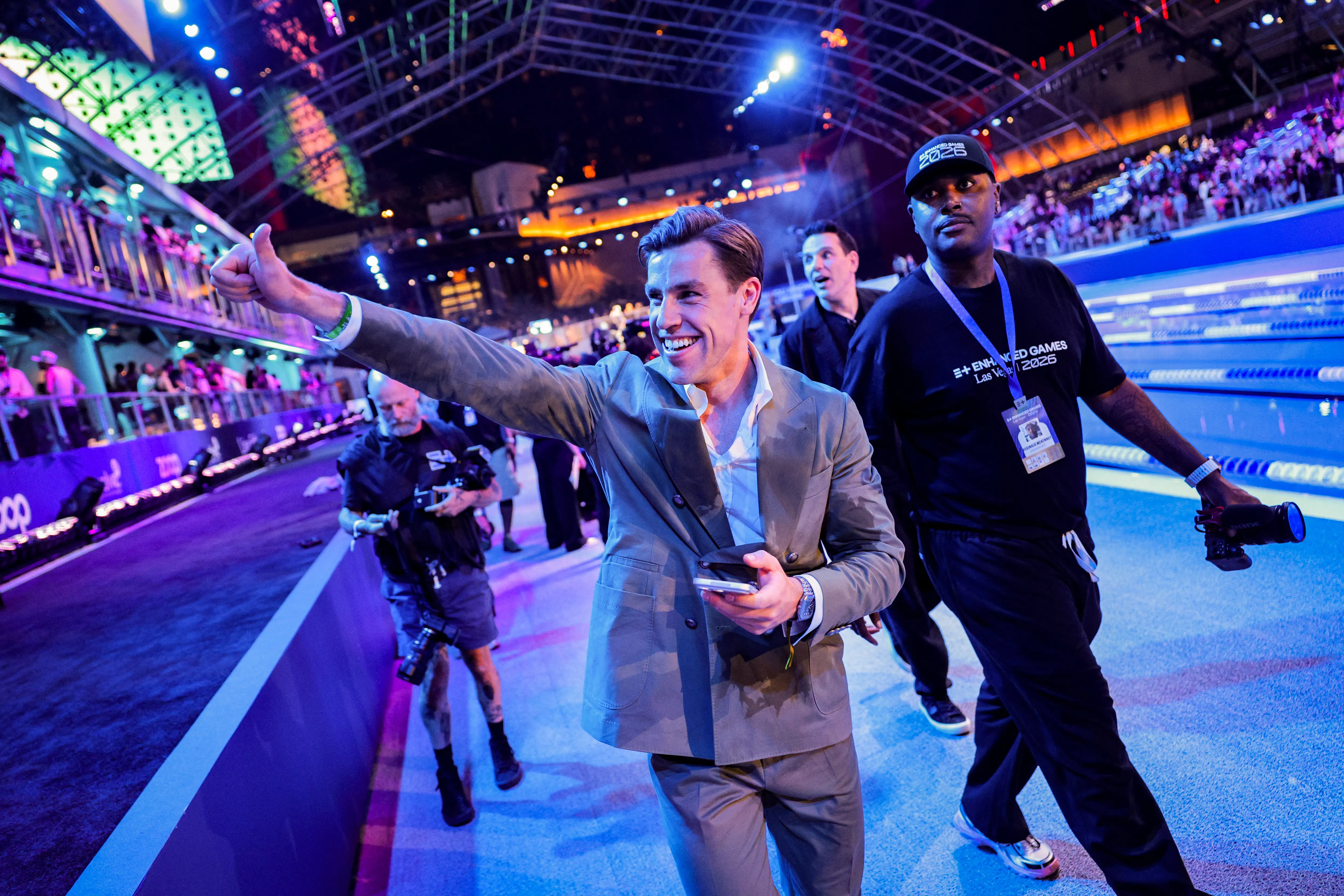
The Enhanced Games, a sporting competition permitting performance-enhancing drugs under medical supervision, took place in Las Vegas over the Memorial Day weekend. Backed by Silicon Valley investors including Peter Thiel and Balaji Srinivasan, the event served as a promotional platform for the Enhanced Group, a newly public company valued at $1.2 billion that sells personalised health treatments such as peptides and GLP-1s. The competition featured 42 athletes, including weightlifters, swimmers, and track runners, competing for appearance fees and prize money of up to $1 million. Organisers argue the event provides a safer, regulated alternative to secret doping in traditional sports, while critics and anti-doping agencies have condemned it as dangerous and profit-driven. The event was held in a newly constructed $50 million open-air stadium in Las Vegas.
The competition was organised by Enhanced Group, Inc., which recently completed an initial public offering. The company sells personalised health treatments including peptides, GLP-1s for weight loss, and testosterone injections. To support its commercial ambitions, Enhanced Group has partnered with AI company Rezolve Ai to launch a digital telehealth platform. The event was designed to showcase the efficacy of these treatments, with athletes undergoing 12 weeks of training in the United Arab Emirates under the supervision of medical professionals who tailored drug protocols to individual needs.
Greek swimmer Kristian Gkolomeev set a new world record in the men’s 50-metre freestyle with a time of 20.81 seconds, becoming the sole athlete to break a world record at the event. Canadian weightlifter Boady Santavy attempted to break the world record for the men’s snatch, requiring a lift of 183 kilograms, but failed to complete the attempt. Retired Australian Olympic swimmer James Magnussen competed but placed last in two races, stating that peptides and testosterone made him feel “18 again.”
Not all competitors utilised enhancement. American swimmer Hunter Armstrong, who abstained from doping, won the 50-metre backstroke. Armstrong cited Olympic ambitions and a personal aversion to doping as reasons for his participation, noting that entering a protocol would jeopardise his eligibility for traditional international competition. The event also drew commentary from biohacker Bryan Johnson, who appeared alongside his girlfriend and provided analysis of the athletic feats.
The event has drawn sharp criticism from regulatory bodies. The World Anti-Doping Agency has labelled the games “dangerous,” while Travis Tygart, CEO of the U.S. Anti-Doping Agency, described the event as a “clown show that puts profit over people.” Despite this, Enhanced Group executives, including CEO Maximilian Martin and Executive Chairman Christian Angermayer, have defended the model as a capitalist venture that offers a safer, medically supervised alternative to the unregulated use of performance-enhancing substances.
