England’s 1966 World Cup legacy fades as 60th anniversary approaches
As Thomas Tuchel announces his 2026 squad, the 1966 victory is viewed as historically closer to the Titanic sinking than the upcoming tournament, with only Geoff Hurst remaining from the starting XI.
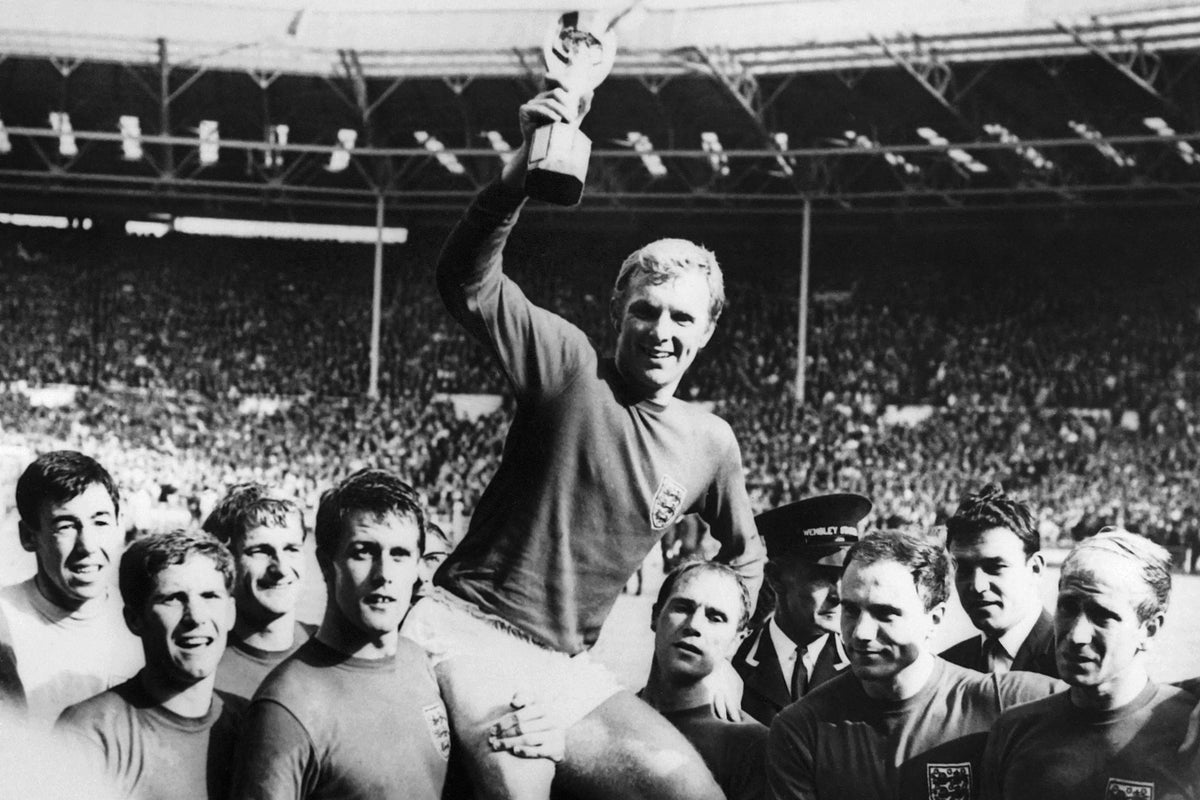
As England manager Thomas Tuchel announced his squad for the 2026 World Cup at Wembley, the shadow of 1966 loomed large over the proceedings. The manager walked past imagery of Bobby Moore holding the Jules Rimet trophy, yet offered no explicit reference to the historic photograph. This silence underscores a shifting cultural landscape where the nation’s only senior men’s football title is losing its immediate relevance. Sixty years on, the victory is increasingly described as a “blessed memory and a burden,” with the event now historically closer to the sinking of the Titanic than to the tournament Tuchel is preparing for.
The generational distance from the 4-2 victory over West Germany is stark. Geoff Hurst, who scored a hat-trick in the final, remains the sole surviving member of the 1966 starting XI. This demographic shift has altered how the event is remembered, with the tragedy of dementia among former players now viewed as a legacy of head impacts from that era. The absence of living memory has transformed the win from an active inspiration into a distant historical monolith, complicating its role as a direct benchmark for the current squad.
The 1966 triumph holds a unique status among World Cup winners. England remains the only nation to have won the tournament without securing any other major senior men’s title in the interim. This isolation has hardened the event’s mythos, with the year itself carrying symbolic weight as it marked 900 years since the Norman Conquest. However, the Jules Rimet trophy’s disappearance and the lack of subsequent victories have left the win as a singular, isolated peak rather than part of an extended legacy comparable to Brazil or Germany.
Contextual differences between the 1966 era and modern football are profound. The team operated in a post-war Britain where the Second World War was still culturally pervasive, yet manager Alf Ramsey insulated the squad from these discussions. The game itself was rudimentary, with players earning less than t-shirt sellers outside Wembley and receiving tactical instructions that prioritised unpredictability over precision. The culture was distinctly working-class, fostering a pub-watching tradition rather than the commercial spectacles of today, and the squad was all-white in an era marked by rising immigration tensions.
Despite the fading direct connection, the victory persists as a national symbol. Interviews with fans such as 79-year-old Arthur Devereux highlight a sense of wonder that contrasts with the high expectations of modern tournaments. While the psychological weight of being world champions has transformed English football, the 1966 team’s initial numbness and lack of immediate commercial exploitation stand in sharp contrast to the assured status of current champions. As the 60th anniversary approaches, the event requires new meaning to sit alongside its enduring, albeit distant, significance.