Engadget: Samsung Galaxy Z Flip 8 emerges as superior value over Motorola Razr Ultra
A July 22, 2026 comparison by Engadget positions the $1,200 Galaxy Z Flip 8 ahead of the $1,500 Razr Ultra, citing a newer processor and seven-year update commitment despite Motorola’s advantages in battery life and raw display specifications.
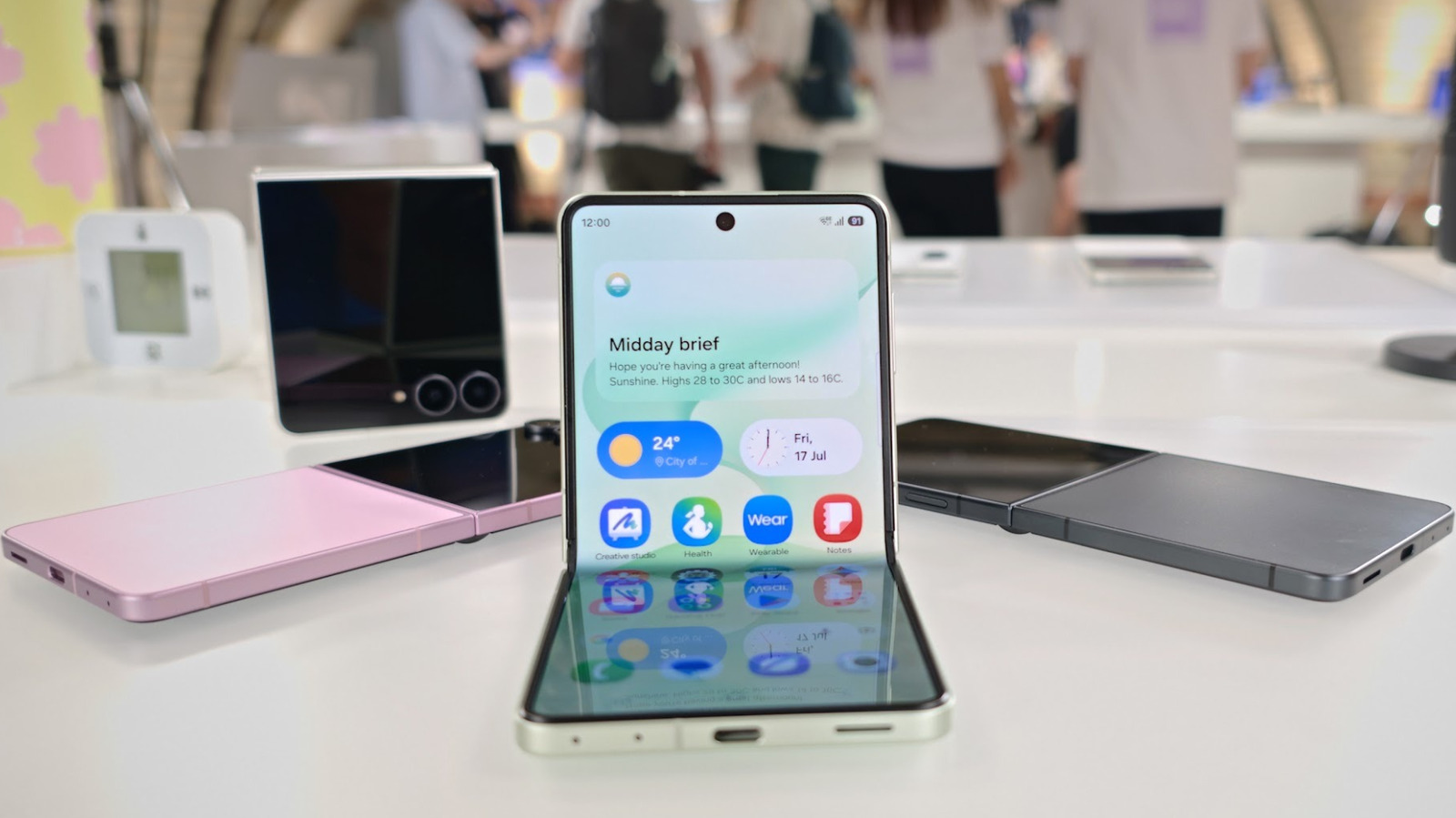
Engadget published a comparative review on July 22, 2026, evaluating the Samsung Galaxy Z Flip 8 against the Motorola Razr Ultra. The analysis concludes that the Samsung device represents the stronger purchase at launch, driven by its lower entry price, more recent hardware, and extended software support lifecycle. While the Motorola option offers distinct advantages in power and display metrics, the review suggests these do not fully offset the cost premium and older internal components.
The pricing disparity is significant, with the Galaxy Z Flip 8 launching at $1,200 for 256GB of storage, compared to the Razr Ultra’s $1,500 starting price. Engadget notes that while Motorola frequently offers aggressive discounts that may narrow this gap over time, the initial outlay for the Samsung device is substantially lower. This price difference is weighed against the Razr Ultra’s use of the Snapdragon 8 Elite chipset from the previous year, whereas the Flip 8 utilises the newer Snapdragon 8 Elite Gen 5 for Galaxy.
Software longevity further distinguishes the two devices. Samsung has committed to seven years of operating system updates for the Flip 8, running on Android 17 out of the box. In contrast, Motorola provides only three years of updates for the Razr Ultra, which launched on Android 16. The review highlights that the Flip 8’s newer chip and tighter integration with One UI 9 are better positioned to handle current and future AI workloads efficiently.
On the hardware front, the Motorola Razr Ultra holds the edge in battery capacity and charging speed. Its 5,000mAh cell significantly outlasts the Flip 8’s 4,300mAh battery, with Engadget’s testing showing the Razr Ultra lasting 31 hours in video playback tests compared to 18.5 hours for the previous generation Flip 7. The Razr Ultra also supports 68W wired charging via Motorola’s proprietary TurboPower protocol, whereas the Flip 8 is limited to 25W wired and 15W wireless charging.
Display and design preferences present a trade-off for consumers. The Razr Ultra features a larger 7.0-inch main display with a 165Hz refresh rate and higher peak brightness, while the Flip 8 offers a 6.9-inch 120Hz panel. However, Samsung has addressed a common user complaint with the Flip 8’s redesigned FlexWindow cover screen, which now supports full app functionality rather than just widgets. The Flip 8 is also physically more compact, weighing 180g and measuring 6.1mm when unfolded, making it more pocketable than the 199g, 7.2mm Razr Ultra.
Camera systems also diverge, with the Razr Ultra offering three 50-megapixel sensors and 8K video recording capabilities. The Flip 8 relies on a 50-megapixel main sensor, a 12-megapixel ultrawide, and a 10-megapixel selfie camera, capping video at 4K. Engadget suggests the Flip 8 may compensate for lower raw specs through AI-powered enhancements in Galaxy AI, such as improved low-light performance and horizontal lock for steady video.
Ultimately, Engadget recommends the Galaxy Z Flip 8 for users prioritising performance longevity, a lighter form factor, and long-term software security. The Razr Ultra remains a viable option for those willing to wait for price drops or who prioritise battery life and a smoother main display experience. Both devices carry an IP48 rating, though the review cautions that fine dust may still enter the hinge area of either model.
