Engadget reviews five fitness trackers that avoid subscription traps
From the screenless Fitbit Air to the budget Xiaomi Smart Band 10, these five devices provide essential tracking without the monthly fees attached to competitors like Whoop and Oura.
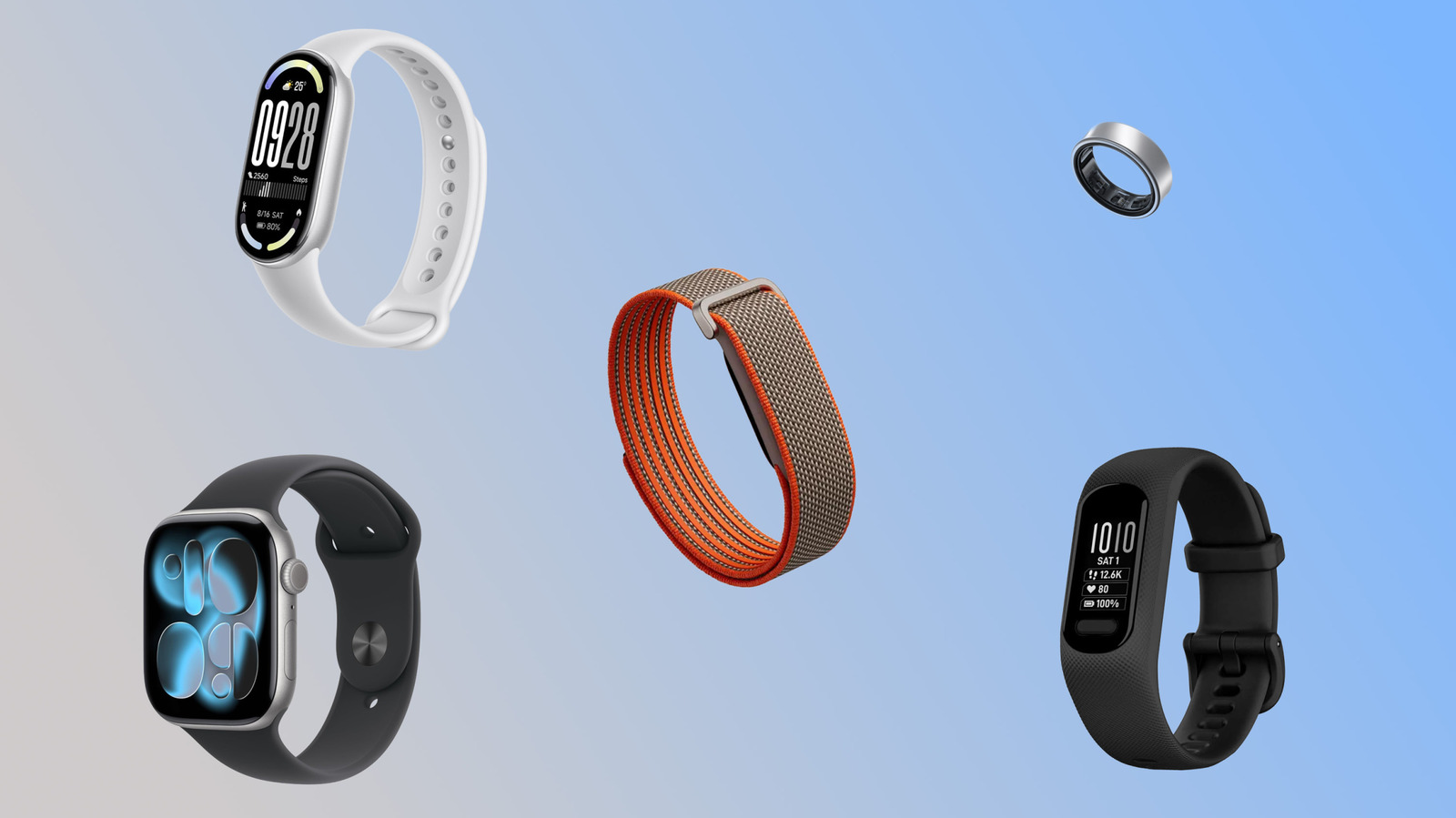
The fitness tracker market has increasingly moved toward subscription-based business models, a shift that significantly alters the long-term cost of ownership for consumers. Prominent competitors such as the Oura Ring and Whoop require ongoing payments to unlock full functionality, with the Oura Ring costing $399 upfront plus $6 per month, and Whoop requiring a membership starting at $199 annually. In response to this trend, Engadget has published a review highlighting five devices that deliver core health and activity tracking features without mandatory monthly fees.
The Google Fitbit Air, priced at $100, is positioned as a direct rival to Whoop. This screenless band offers all core features without a subscription, though an optional Google Health Premium subscription at $10 per month unlocks AI coaching and workout videos. The device boasts a battery life of approximately seven days, which is half that of the Whoop, but supports rapid charging. It is compatible with both Android and iOS, though it requires the Google Health app and does not sync natively with Apple Health.
Garmin’s vívosmart 5, available for $150, features a narrow monochrome OLED display and lacks built-in GPS, relying instead on connected GPS via a paired smartphone. The device tracks heart rhythm, sleep, steps, and workouts, including Garmin’s Body Battery score. There are no monthly fees associated with the vívosmart 5, and it is compatible with both Android and iOS, syncing with Apple Health and Google Health through the Garmin Connect app.
The Samsung Galaxy Ring, priced at $400, functions entirely without monthly fees and tracks sleep, activity, and detailed metrics for walking and running. While it works with Android phones from various manufacturers, a Samsung device is required to access Galaxy AI features and specific gesture controls. The ring does not work with iPhones and offers a battery life of at least six days on a single charge.
The Apple Watch Series 11, starting at $400, is an iOS-only device that includes health features such as hypertension alerts, heart rate monitoring, blood oxygen tracking, and sleep scoring. It offers up to 24 hours of battery life with regular use. At the lower end of the price spectrum, the Xiaomi Smart Band 10 costs approximately $50 and offers up to 21 days of battery life. However, it lacks advanced sensors such as built-in GPS, ECG, blood pressure monitoring, and skin temperature sensing, making it a basic option for cost-conscious consumers.
