Engadget review: Dell XPS 13 (2026) faces RAM constraints in MacBook Neo rivalry
While the device offers strong battery life and a lighter chassis than its Apple counterpart, the base model’s 8GB of memory causes significant slowdowns under Windows 11.
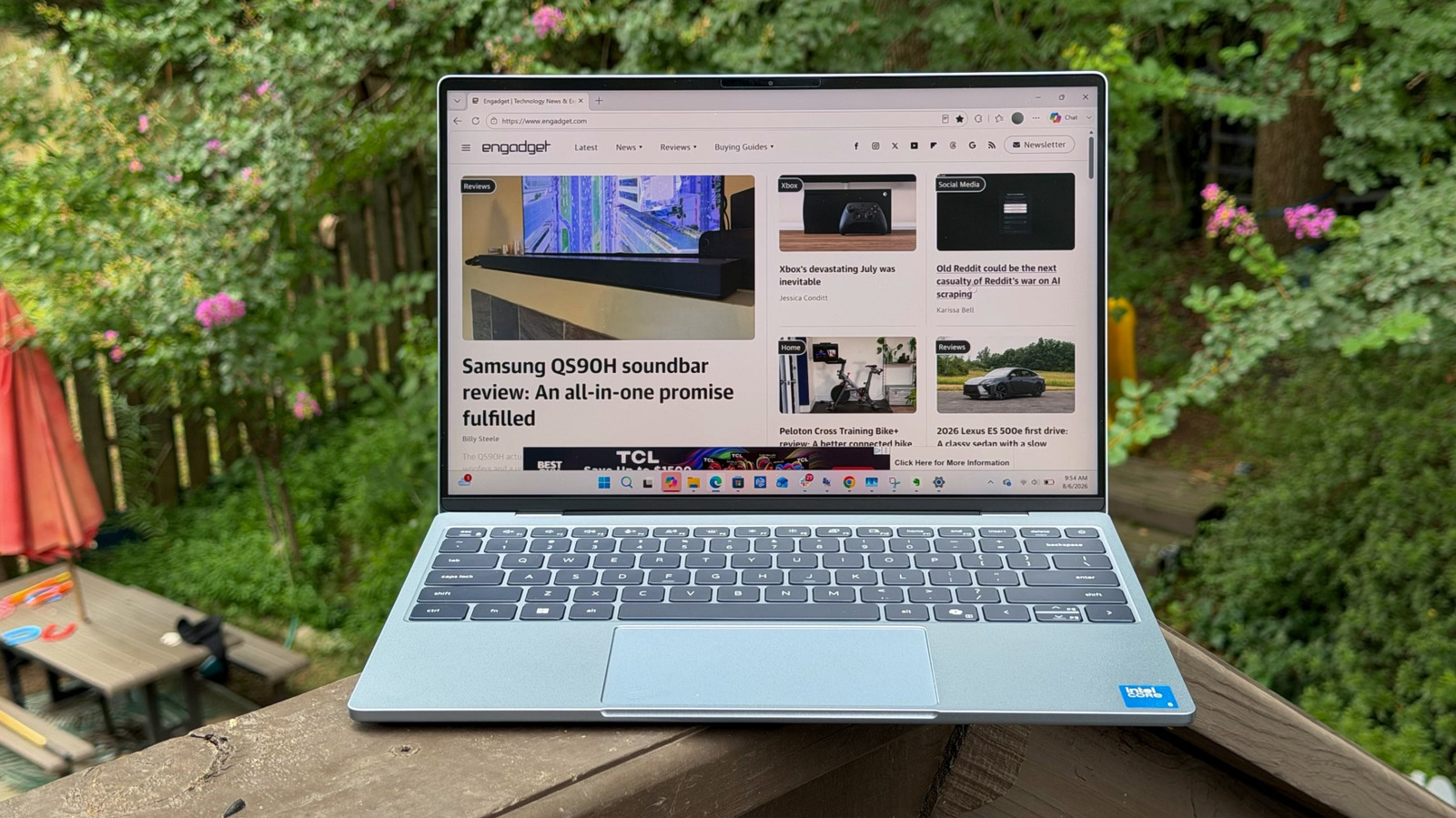
Engadget has published a comprehensive review of the Dell XPS 13 (2026), positioning the new laptop as a direct competitor to the MacBook Neo. Starting at $700 USD, the device features a lightweight aluminium chassis, a 120Hz 1440p display, and an Intel Core 5 320 processor. The review identifies significant performance compromises in the base model, particularly regarding the 8GB of RAM and the mechanical trackpad. The reviewer recommends purchasing the 16GB RAM variant, which costs an additional $200, to ensure a functional user experience.
The XPS 13 weighs approximately 1kg (2.2 pounds) and is 12.7mm thick, making it lighter than the MacBook Neo, which weighs 2.7 pounds. Dell has included USB-C ports on both sides of the device, but lacks a 3.5mm headphone jack. The laptop retains quad speakers, though the reviewer described the sound as "tinny" with no depth. The base model includes 512GB of storage, whereas the MacBook Neo starts with 256GB.
Battery life was recorded at 15 hours and 56 minutes in PCMark 10's Modern Office benchmark. The reviewer noted that the Intel Core 5 320 chip is significantly slower than the Intel Core Ultra 7 155H and Snapdragon X Elite chips found in 2024 XPS 13 models. The trackpad is mechanical, with the top third not registering clicks, contrasting with the haptic trackpads used in previous XPS models and those on Apple/Surface devices.
The review highlights that the base model's 8GB of RAM is insufficient for comfortable Windows 11 usage, with the reviewer noting severe slowdowns and memory saturation. The reviewer recommends spending an additional $200 for the 16GB RAM variant to ensure a functional user experience. The XPS 13 features a 120Hz refresh rate display, compared to the MacBook Neo's 60Hz panel.
Dell has responded to the MacBook Neo by creating a sub-$1,000 "premium" system, but the limitations of the XPS 13 serve as a reminder of why Apple was able to leapfrog PC makers in the budget segment. The reviewer concludes that while the 8GB model is technically usable, it is not recommended for long-term use, and the 16GB variant is the more viable option for most users.