Engadget outlines expanded utility of universal smartphone USB-C ports
A review published on 8 August 2026 details how the convergence of mobile hardware has transformed the USB-C interface from a simple charging point into a versatile hub for data, audio, and technical applications.
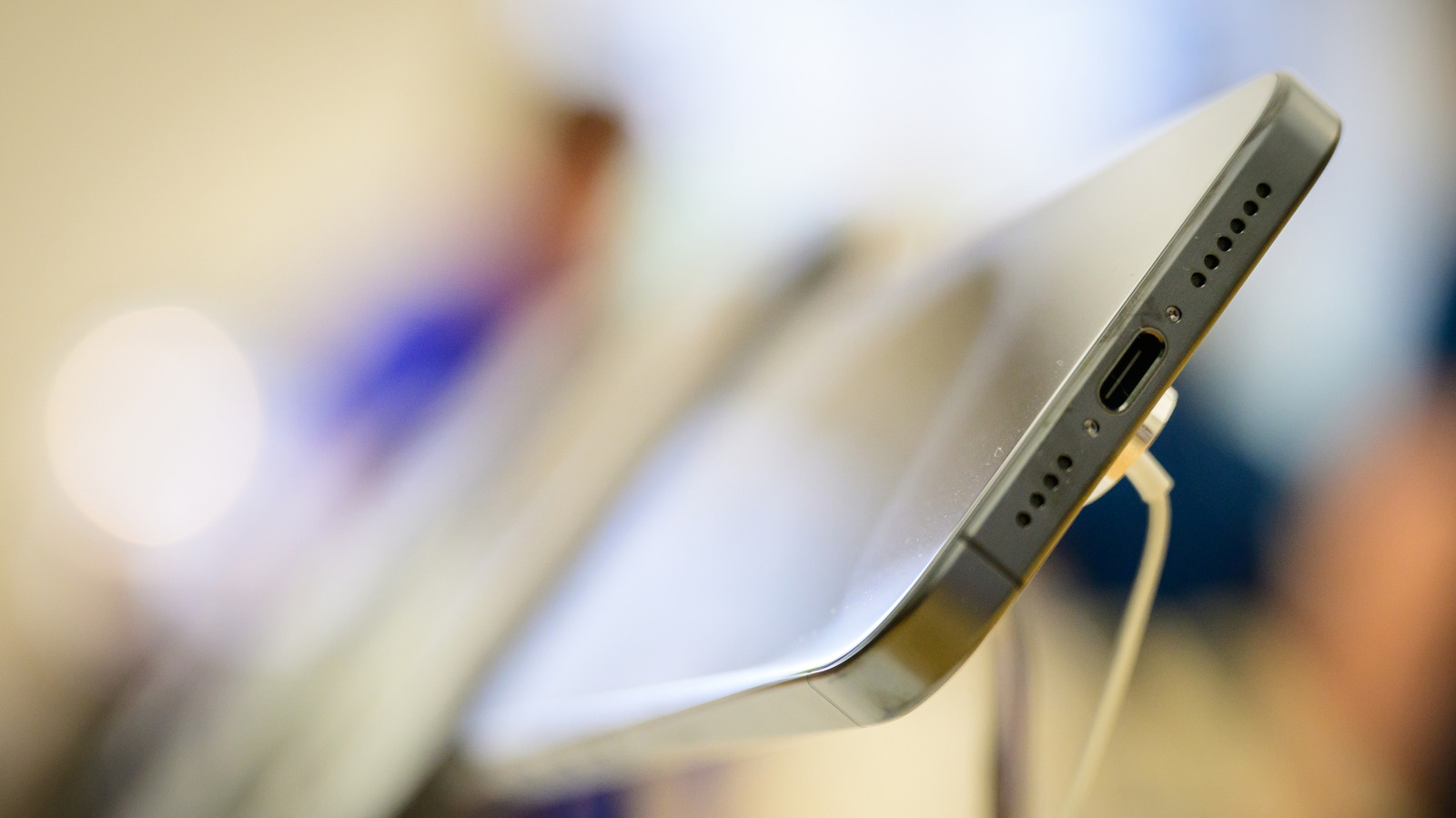
An article published by Engadget on 8 August 2026 highlights the broadening functionality of USB-C ports on modern smartphones, noting that the connector has achieved universal adoption across major manufacturers. The piece outlines how the standard has replaced the fragmented landscape of the 2010s, where Apple utilised Lightning connectors and Android devices relied on various proprietary or micro-USB ports. This shift has established a consistent interface that supports a wide array of functions beyond basic power delivery.
The report details several practical applications for the universal connector, including the ability to power other devices such as phones, wireless headphones, and smartwatches using a dual USB-C cable. For data management, the article suggests connecting external storage solutions, including flash drives with extendable ports, and portable memory card readers for photographers and videographers handling large files. These peripherals allow for secure document transfer and efficient file management without relying on cloud services.
Connectivity extends to productivity and entertainment, with the port supporting wired keyboards to transform smartphones into workstations and HDMI adapters or hubs for linking to external monitors. The article notes that this wired approach to display output offers an alternative to screen mirroring, which can be battery-intensive. Additionally, the interface facilitates high-quality audio recording through dedicated USB-C microphones and supports wired headphones, including newer models and older devices via 3.5mm adapters.
Gaming and technical applications represent another significant use case. The article describes connecting controllers from brands such as PlayStation and Xbox, as well as handheld controllers like the Backbone One and Razer Kishi, to reduce latency and improve ergonomics. For professional use, the port can support technical tools such as endoscope cameras for tradespeople and smartphone-powered ultrasound devices, enabling medical assessments in remote locations with limited equipment access.
The piece reflects on the initial user dissatisfaction regarding the phase-out of the 3.5mm headphone jack during the 2010s, but concludes that the current universal standard offers significant cross-device compatibility. While the article references specific products from Sennheiser without naming exact models, it emphasises that the consistency of the USB-C interface provides a reliable foundation for diverse hardware integration across both iOS and Android ecosystems.
