Engadget: Most Android Users Do Not Need Third-Party Antivirus Software
Analysis indicates that Google Play Protect, app sandboxing, and regular system updates provide sufficient defence for the majority of users, with third-party tools reserved for high-risk scenarios.
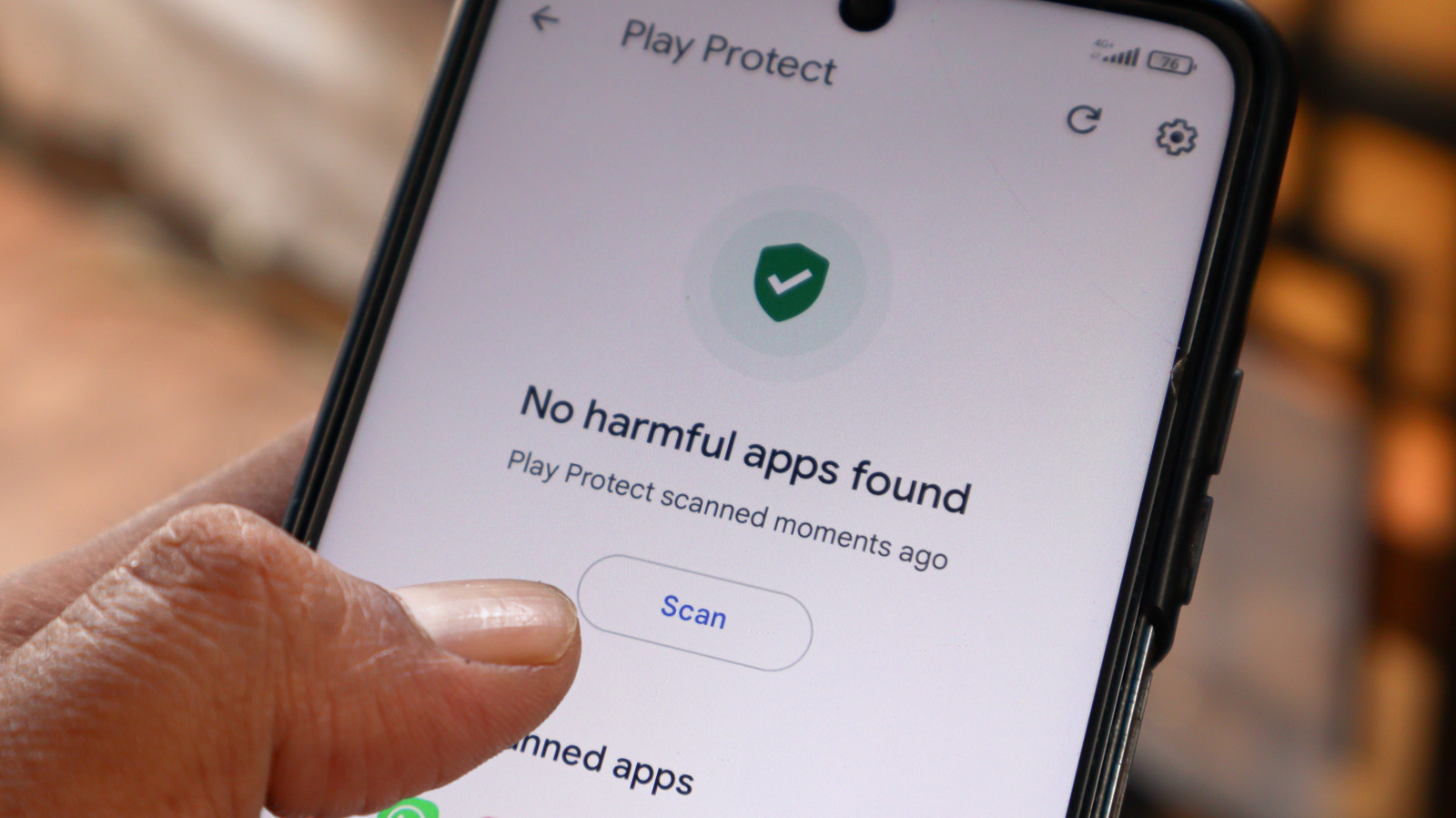
Engadget has reported that the majority of Android smartphone users no longer require third-party antivirus applications, citing the robust security architecture now embedded within the operating system. The publication notes that the era of mass adoption for standalone security suites has passed, with modern devices relying on native protections such as Google Play Protect, app sandboxing, and consistent system updates. While Android remains susceptible to malware, spyware, and social engineering, the consensus is that additional software is unnecessary for the average consumer.
The report highlights that Google Play Protect serves as the primary defence mechanism, actively scanning applications at installation and during runtime. In 2025 alone, the platform blocked 27 million new malicious apps. The system operates in conjunction with app sandboxing, which isolates each application using secure user IDs to prevent interaction between apps, and a proactive opt-in permissions model that safeguards personal data. These features collectively reduce the attack surface for typical users who rely on the official Play Store.
Despite these safeguards, the Android ecosystem is not immune to emerging threats. A 2025 Gen threat report identified a tripling of malicious push notifications over a three-month period, while spyware continues to pose an invasive risk. To counter these evolving tactics, Google is integrating artificial intelligence to introduce phone call spoofing protection and expand live threat detection capabilities. These tools aim to identify suspicious behaviours, such as unauthorised SMS forwarding, before they result in data compromise.
Third-party antivirus solutions remain relevant for specific high-risk user profiles. Engadget suggests that individuals who frequently sideload applications, utilise outdated devices lacking current security patches, or connect to unsecured public Wi-Fi networks without a virtual private network may benefit from additional protection. Google is also tightening sideloading protocols, restricting the practice to experienced users with mandatory identity checks for developers and a 24-hour cooldown period, further reducing the likelihood of accidental malware installation.
The article emphasises that social engineering remains a significant vulnerability that antivirus software cannot mitigate. Threats such as phishing links, fake tech support calls, and romance scams rely on psychological manipulation rather than technical exploits. Consequently, user education and cautious behaviour are cited as critical components of mobile security. For most users, relying on built-in protections and utilising a VPN on public networks offers adequate defence, reserving third-party tools for those operating in higher-risk environments.