Engadget marks 25th anniversary of Game Boy Advance launch with retrospective on legacy titles
Publication reviews technical specifications and design lineage of the 2001 release, while listing standout software including Advance Wars, Fire Emblem, and Metroid Fusion.
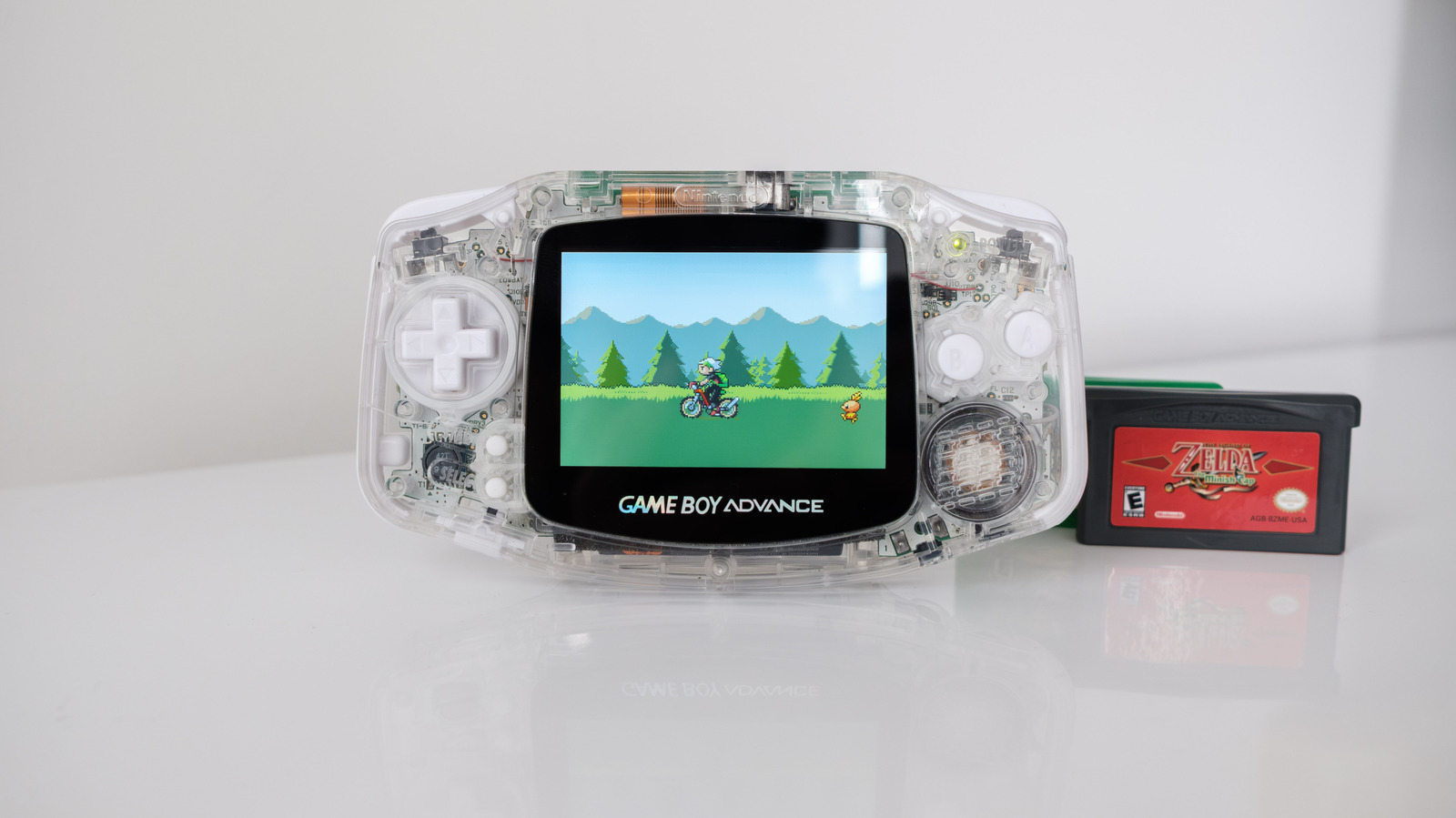
Engadget has published a retrospective marking the 25th anniversary of the Game Boy Advance’s United States launch on 11 June 2001. The article highlights the handheld’s historical significance, detailing its technical specifications, including a custom system-on-chip with dual processors running at 16.7MHz and 8.3MHz, 288KB of combined RAM, and a 240x160 TFT display. It traces the hardware lineage through the original model, the 2003 GBA SP clamshell design with backlight, and the 2005 GBA Micro.
The piece lists Engadget staff’s favourite titles, such as Advance Wars, Fire Emblem, Final Fantasy Tactics Advance, Golden Sun, Metroid Fusion, Metroid: Zero Mission, Pokémon FireRed and LeafGreen, Super Mario Advance, The Minish Cap, and WarioWare, Inc.: Mega Microgames!. It also notes the availability of several GBA titles via Nintendo Switch Online + Expansion Pack and references the upcoming release of Fire Emblem: We’reave.
Contributors shared personal anecdotes regarding the software’s impact. One writer described Advance Wars as a perfect entry point for turn-based strategy, praising its streamlined controls and forgiving difficulty. Another contributor identified Fire Emblem as their favourite GBA title, citing its challenging battles and permadeath mechanic, while noting the difficulty of playing the original cartridge on worn-out hardware.
Technical limitations and design choices were also examined. Writers noted that the GBA’s small screen and button layout constrained some experiences, yet Advance Wars remained adequate. The article contrasts the GBA’s 2D sprite-based graphics with the polygonal era of home consoles, describing the handheld as compact, sturdy, and affordable at a launch price of $100.
The retrospective concludes with reflections on modern playability. One author spent money on an Aya Neo Pocket Micro Classic to match the original aspect ratio, finding the Switch 2 screen unsuitable for GBA games. The piece suggests Nintendo should produce a bespoke console for retro titles, noting that many GBA classics remain available through subscription services.
