Engadget: HDMI 2.0 Remains Sufficient for Streaming, Upgrade Unnecessary for Most Consumers
With most platforms capping output at 4K and 60Hz, the bandwidth advantages of HDMI 2.1 and the nascent HDMI 2.2 standards offer little practical benefit for typical home entertainment setups.
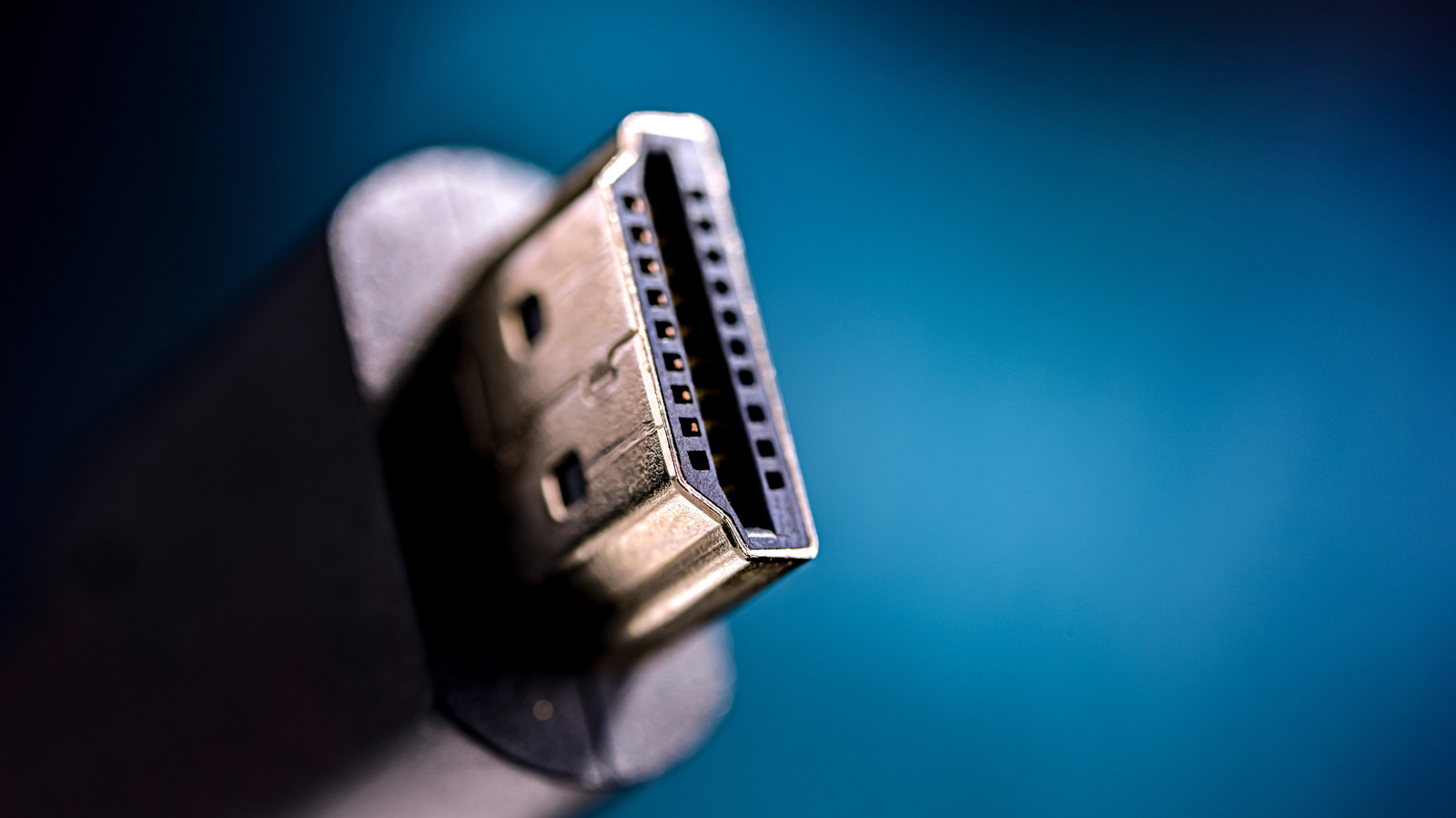
Recent analysis from Engadget indicates that consumers do not need to upgrade to the latest HDMI specifications to maximise their streaming experience. While the market has seen successive iterations of the High-Definition Multimedia Interface standard, the primary bottleneck for video quality remains the streaming service itself rather than home hardware. Most major platforms currently cap picture quality at 4K resolution with a 60Hz refresh rate, a threshold that HDMI 2.0, introduced in 2013, is fully capable of delivering.
HDMI 2.1, announced in 2017 and finalised last June, offers higher bandwidth and supports 4K at 120Hz. However, these enhanced capabilities are largely irrelevant for standard video streaming. The specifications of any connected setup are determined by the least advanced component in the chain. Consequently, even if a consumer utilises an HDMI 2.1 cable with an HDMI 2.0 port, the system will default to the lower standard’s maximum performance, making the investment in higher-tier cables redundant for most viewing scenarios.
The practical application for HDMI 2.1 lies primarily in high-performance gaming rather than media consumption. Users operating high-end gaming rigs, such as the PlayStation 5 Pro or premium PCs, may benefit from the increased refresh rates to gain a competitive edge or enhance immersion. In these instances, ensuring all components support HDMI 2.1 is necessary to avoid being capped at 60Hz at 4K resolution, or being forced to drop to 1080p to achieve 120Hz.
Looking further ahead, HDMI 2.2 was announced in June 2025, promising significantly higher specifications including a top bandwidth of 96 Gbps. This standard supports peaks of 16K at 60Hz, 8K at 60Hz, or 4K at 240Hz with 10-bit or 12-bit uncompressed colour. Despite these impressive figures, widespread hardware support is not yet available. Manufacturers are expected to take another one to two years to achieve broad adoption of the new standard.
Currently, 8K televisions and gaming monitors exist but remain expensive and are not mainstream. Given that the system will still be limited by the slowest component until HDMI 2.2 hardware becomes ubiquitous, Engadget advises against stocking up on 2.2 cables. Consumers are better served by ensuring their current setup meets the 4K/60Hz standard provided by HDMI 2.0, which remains sufficient for almost all streaming situations today.
