Engadget guide demystifies home theatre speaker configurations and pricing
With prices ranging from $500 to over $4,000, understanding channel layouts is critical for matching audio performance to room size and budget.
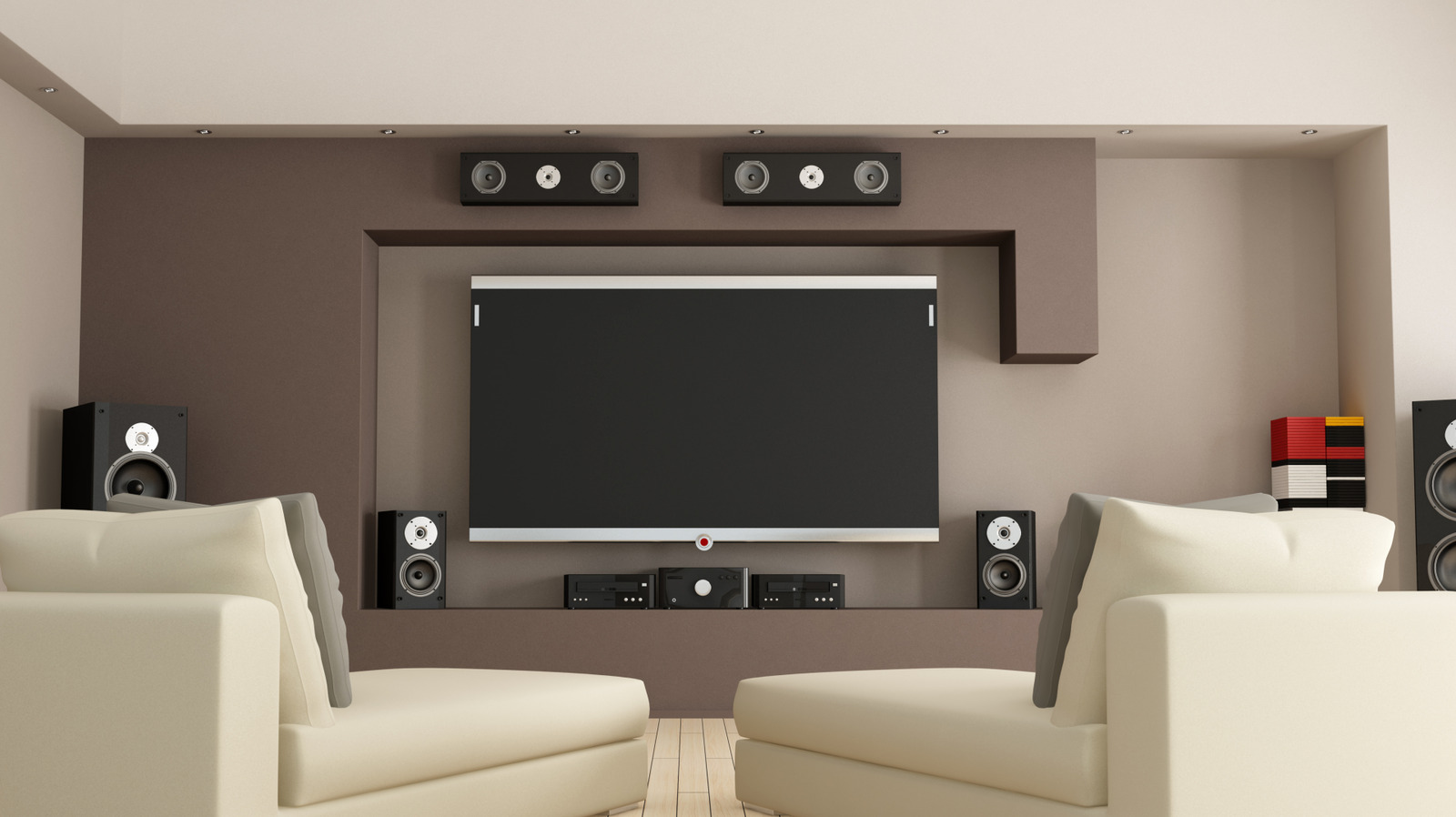
Engadget has published a comprehensive guide to surround sound speaker channel configurations, aiming to clarify the X.Y.Z notation system for consumers navigating the home theatre market. The explanation breaks down the technical specifications that define audio setups, helping buyers distinguish between basic stereo arrangements and immersive Dolby Atmos systems.
The notation system serves as the primary framework for understanding speaker counts. The first digit indicates the number of ear-level speakers, while the second digit denotes the presence of a subwoofer, with a '1' signifying inclusion and a '0' indicating its absence. An optional third digit represents overhead or upward-firing speakers, a feature typically reserved for high-end Dolby Atmos or DTS:X systems designed to create three-dimensional soundscapes.
Common configurations identified in the guide include 2.0, 2.1, 5.1, and 7.1 setups. A 2.0 system comprises two ear-level speakers, whereas a 2.1 adds a subwoofer. The 5.1 configuration, often cited as the sweet spot for movie enthusiasts, includes five ear-level speakers and a subwoofer. More complex 7.1 systems add two rear speakers, while advanced Atmos setups may utilise formats such as 5.1.2 to incorporate overhead audio channels.
Pricing for these systems varies significantly based on complexity and brand. Basic 5.1 systems start around $500, while entry-level 7.1 arrangements typically cost a minimum of $1,500. High-end configurations can exceed $4,000. Specific product examples highlight this range, including the $1,000 Sonos Arc Ultra, which features a 9.1.4 channel configuration, and the $1,600 Samsung Q-Series HW-Q990F soundbar system. Additional components, such as the Sonos Era 300 smart speakers, are priced at $960 for a pair.
The guide emphasises that system choice is heavily dependent on room dimensions, budget constraints, and content type. Soundbars are recommended for apartment dwellers or those with limited space, offering spatial audio without the need for multiple physical speakers. Conversely, larger homes with substantial budgets may justify the investment in full 7.1 or 7.1.2 setups. The publication notes that audio quality remains subjective, with effectiveness varying based on individual listener preferences and room acoustics.
