Engadget breaks down the technical divide between active and passive noise cancellation
A new analysis from Engadget clarifies why active noise canceling (ANC) struggles with variable sounds and relies on passive sealing to function effectively.
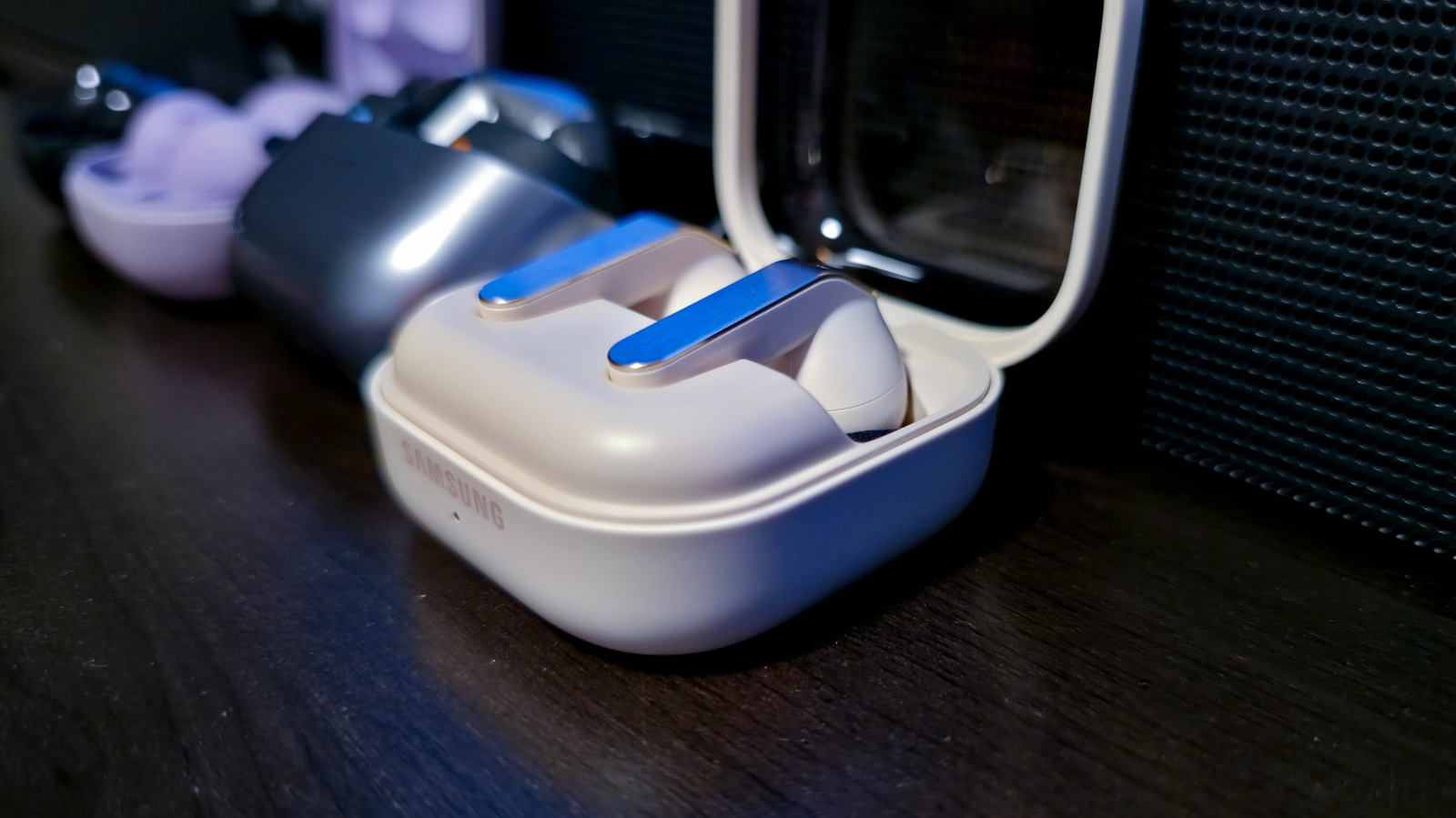
Engadget has published a detailed analysis of the technical distinctions between active noise canceling (ANC) and passive noise attenuation in headphones and earbuds. The report outlines how the two technologies operate differently, noting that while passive cancellation relies on physical barriers to block sound, ANC employs algorithms and microphones to generate 'anti-noise' that destructively interferes with ambient noise. The article highlights that ANC is most effective against low-frequency noises and functions optimally when combined with passive sealing, a process that can be compromised by accessories such as glasses.
Active noise canceling utilizes an onboard computer and algorithms to generate an out-of-phase sound wave, often referred to as anti-noise, that destructively interferes with ambient noise before it reaches the eardrum. This process involves exterior microphones analyzing the wearer's environment, after which the device creates a sound wave that physically cancels out the incoming noise. The technology has evolved from a niche product for frequent flyers to a ubiquitous feature in consumer audio devices, including Apple AirPods Pro and premium models from Sony and Bose.
Passive noise cancellation, by contrast, relies on physical barriers such as earcup pads or earbud tips to block sound from entering the ear canal. This form of attenuation is inherent to most playback devices, as covering the ears or filling the canal naturally reduces sound transmission. Devices that do not provide passive isolation, such as open-back headphones or open-ear earbuds like the Shokz OpenDots 2, are specifically engineered to allow ambient sound in, prioritising situational awareness over isolation for users in studio or urban environments.
The two technologies work best in tandem, with passive sealing serving as a prerequisite for effective ANC. By physically blocking a portion of the sound, the load on the ANC processor is reduced, allowing for better overall performance. However, ANC is most effective at attenuating constant, low-frequency noises, such as those from air conditioners, and struggles with variable sounds like cafe chatter due to processing delays and microphone limitations.
High-end models, such as the Sony WH-1000XM6, utilise multi-microphone arrays to improve noise capture for ANC algorithms, yet pinhole microphones remain limited. Furthermore, the physical structure of the device impacts performance; over-ear headphones generally provide better passive isolation than in-ear earbuds. Accessories like glasses can also disrupt the passive seal required for ANC to function effectively, highlighting the practical constraints of these technologies.
