Engadget author details friction of migrating from iPhone to Android
A recent account from Engadget reveals that while data transfer has improved, Apple’s restrictive ecosystem and superior app polish remain significant hurdles for users moving to Android.
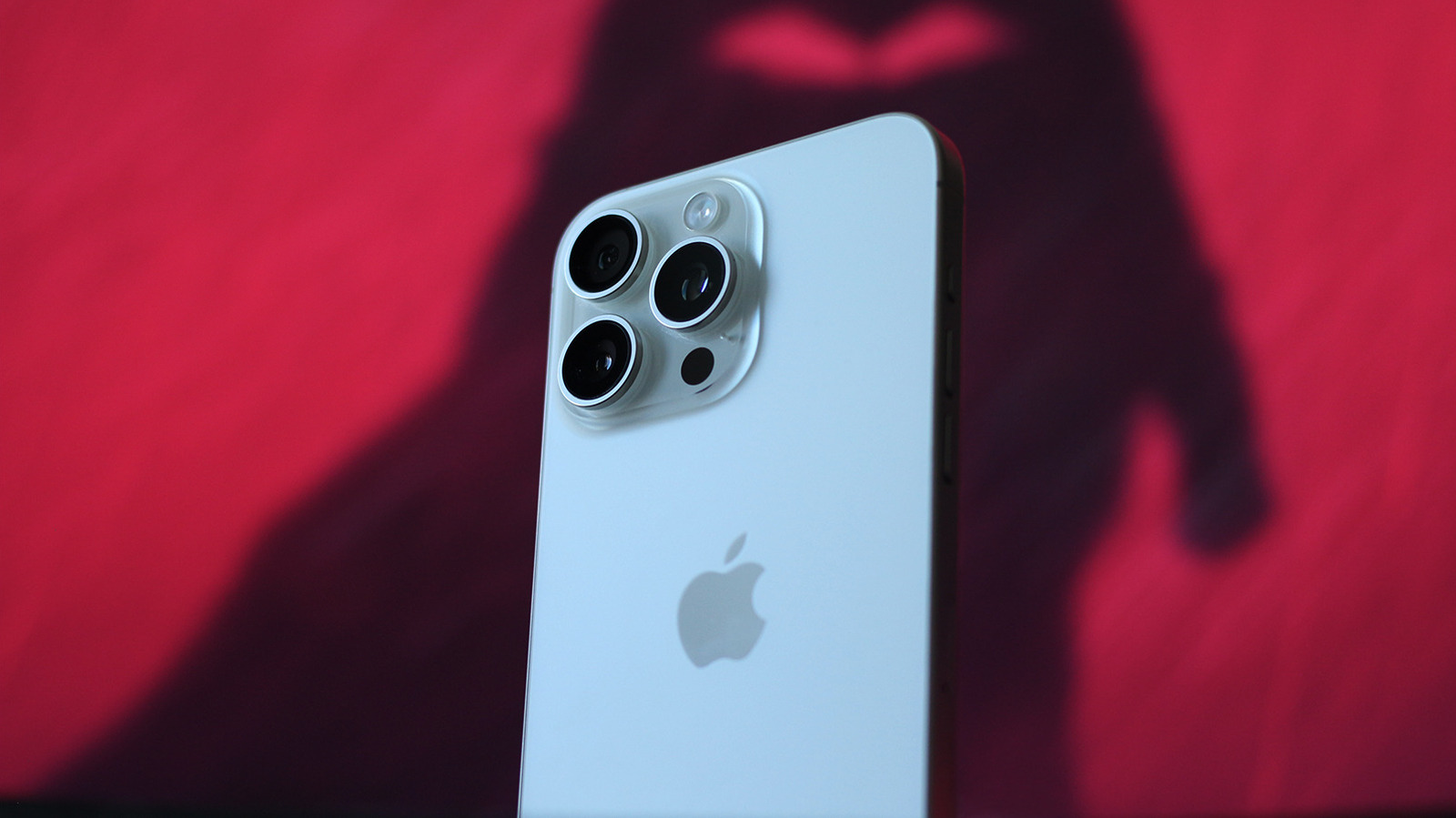
An Engadget article by a long-time Android user outlines the complexities of migrating from an iPhone to an Android device, based on the author’s recent experience switching from an iPhone 15 Pro Max to a OnePlus 15. While the author, who previously used Samsung and OnePlus devices, found the transition back to Android intuitive in many respects, the piece highlights persistent friction caused by Apple’s closed ecosystem and the technical disparities between the two platforms.
Data migration has become significantly less cumbersome in recent years, with third-party applications no longer strictly required to transfer WhatsApp chats. Google suite data, including contacts, photos, and calendar events, now transfers automatically. However, the author notes that users deeply integrated into Apple’s services, such as iCloud+, may find it more practical to switch to Google One for better compatibility with Android devices.
A major drawback cited is the loss of seamless integration with Apple accessories. While AirPods can connect to Android, they lose key features such as Spatial Audio with head tracking, and third-party workarounds like LibrePods are deemed unreliable. The situation is more restrictive for Apple Watch owners, as the device does not pair with Android, requiring an iPhone to sync health and workout data to the cloud.
The article also points to inconsistencies in application quality and availability. Specific iOS-exclusive apps, such as the flight tracking service Flighty, are unavailable on Android. Furthermore, the author argues that iOS apps often feel more polished due to developers optimising for a limited range of iPhone models, whereas Android developers must contend with thousands of devices with varying hardware specifications.
Despite these challenges, the piece acknowledges efforts by Google to bridge the gap, including RCS messaging support on iPhone and cross-platform file sharing features similar to AirDrop. However, iMessage remains exclusive to Apple, and the author critiques the current state of Android design, noting that while iOS offers greater consistency, many Android manufacturers are producing half-baked interpretations of similar design languages.
