Engadget analysis: Wired CarPlay offers reliability and audio fidelity over wireless convenience
While wireless pairing simplifies daily commutes, Engadget finds that cabled connections eliminate latency, preserve battery life, and ensure stable navigation for iPhone users.
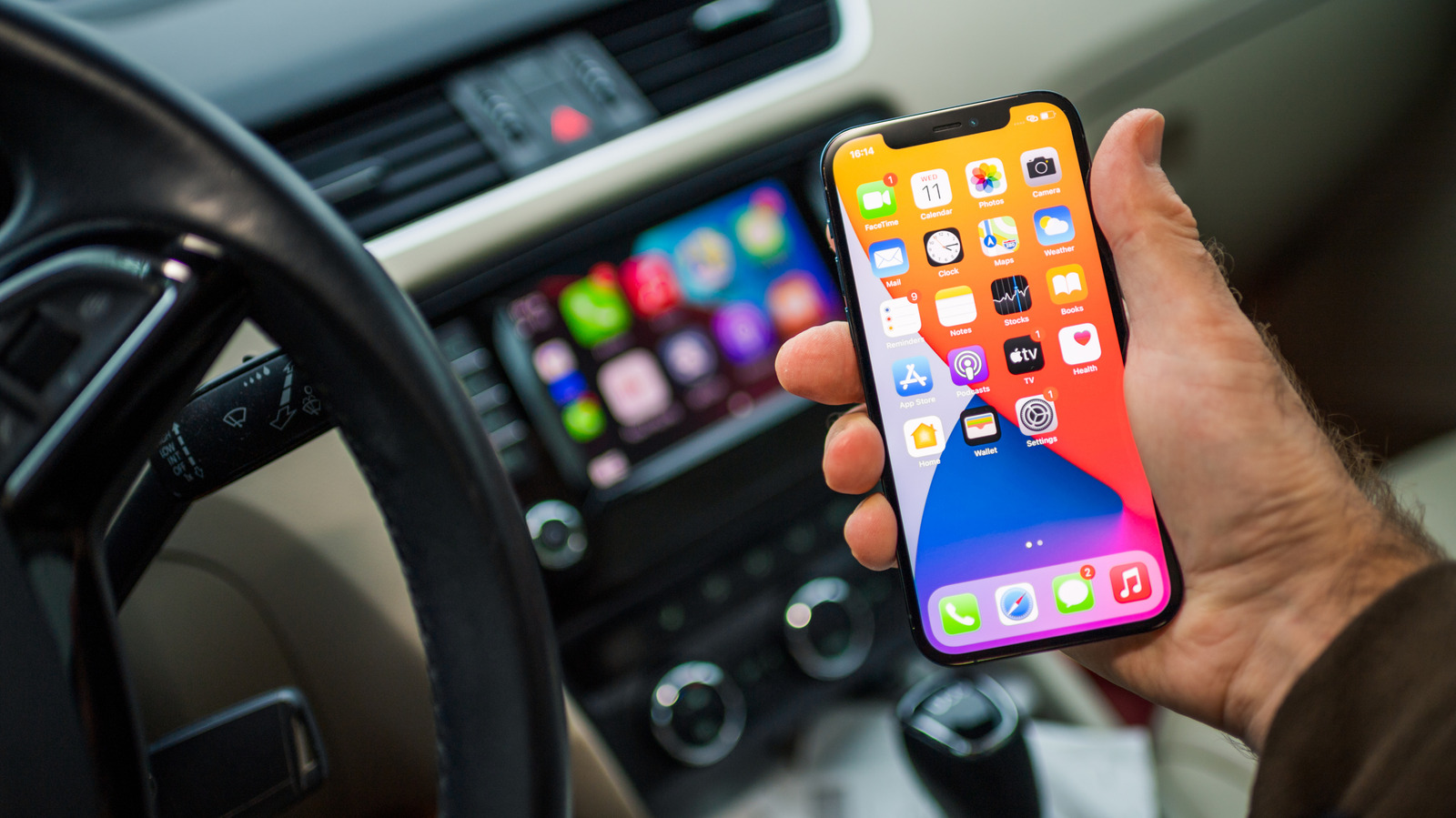
Engadget has published an analysis comparing the operational performance of wired and wireless Apple CarPlay connectivity, highlighting the distinct trade-offs between user convenience and technical reliability. Since its introduction in 2014, CarPlay has become a standard feature across major vehicle manufacturers including Ford, Hyundai, BMW, and Honda, allowing drivers to access navigation, messaging, and media through their car’s infotainment system. While newer models increasingly offer wireless integration that automatically pairs upon starting the engine, the analysis suggests that physical connections remain superior in specific operational scenarios.
The report notes that there is no difference in the core feature set or functionality between the two connection types. Users retain access to the same applications, calling capabilities, and the new Siri AI regardless of whether they are plugged in or connected wirelessly. However, Engadget identifies connectivity stability as a primary advantage of the wired approach. Wireless systems can be prone to intermittent drops, a risk that is particularly problematic when navigating unfamiliar roads, whereas a physical cable ensures the interface remains active and responsive throughout the journey.
Battery preservation and audio quality are also cited as significant benefits of cabled connections. Engadget points out that wireless transmission can drain iPhone batteries, a concern for users with degraded battery health such as those using older models like the iPhone 15 Pro Max. Furthermore, wired connections eliminate latency issues associated with Siri responses and track skipping, while delivering superior audio fidelity, which is essential for subscribers to lossless audio services.
The analysis also addresses compatibility challenges and software updates. Users with vehicles equipped with USB-A ports may face connectivity hurdles when using modern iPhones that feature USB-C connectors, necessitating the use of specific adapter cables. Additionally, the report highlights that iOS 27 supports video playback on CarPlay via AirPlay, noting that the system handles audio-visual sync effectively without significant latency, a feature accessible regardless of the connection method.
Despite the technical advantages of wired setups, Engadget acknowledges that wireless CarPlay offers distinct lifestyle benefits. Automatic pairing simplifies the experience for drivers who frequently switch vehicles or share the car with multiple passengers, as the system can remember several paired iPhones. While this convenience can sometimes lead to connection errors if multiple devices are nearby, it eliminates the physical hassle of plugging and unplugging cables during short trips or when passengers need to control media playback.
